
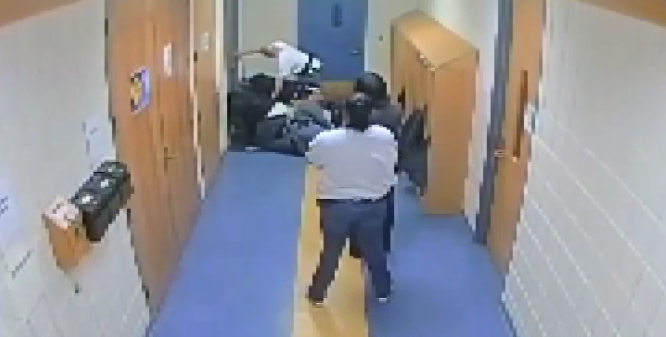

Under fire for what has been called improper restraint and seclusion of youths at state-run juvenile correctional facilities, the Department of Children and Families has released nearly seven hours of surveillance video in an effort to provide the public a more complete picture of its operations.
Department of Children and Families
Posted inEducation
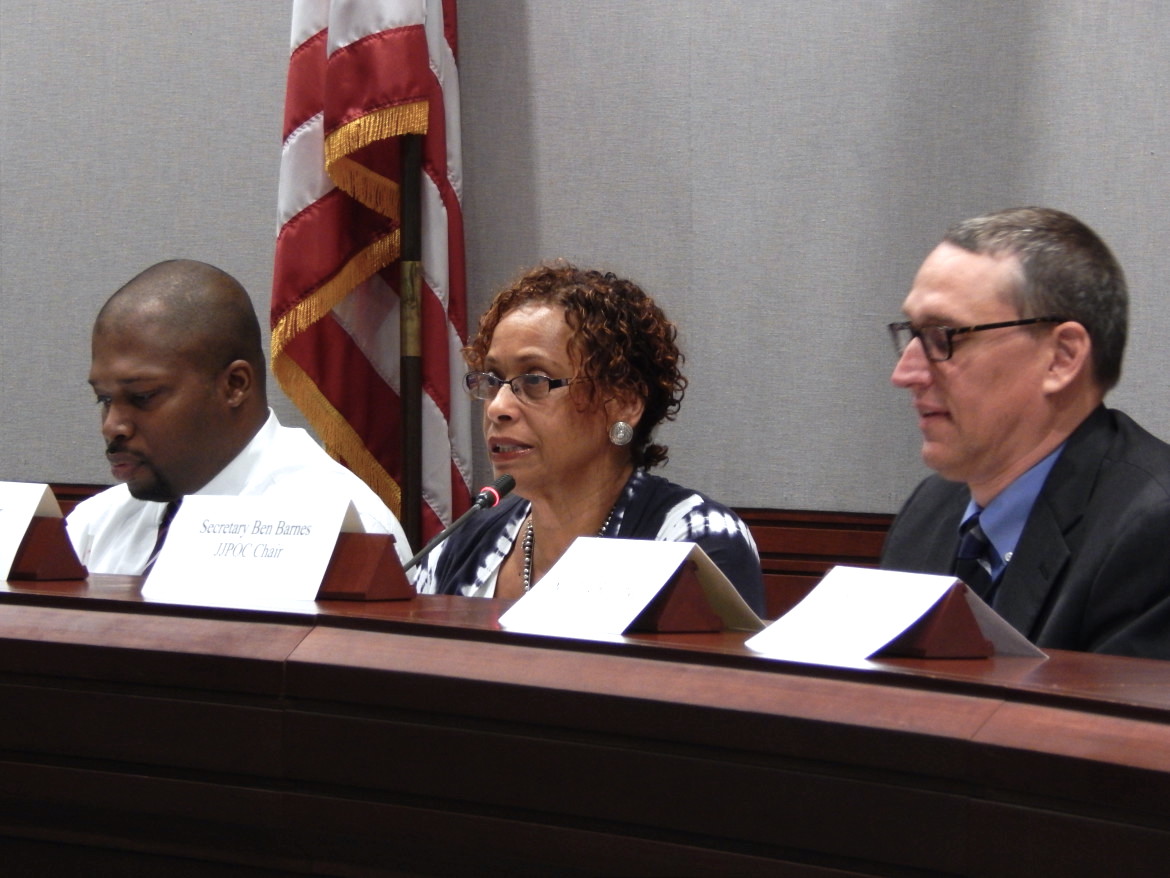
Panel probes future of CT’s juvenile jails

Discussion by members of a key oversight committee examining conditions at the state’s juvenile jails centered on some fundamental questions: Do young people – many of whom have psychiatric needs and histories of trauma – leave better off than they came in? Can the facility’s problems be addressed through better staff training or programs, or are they symptoms of problems inherent in the jails?

Posted inEducation
DCF vows to reduce restraints, improve clinical care at juvenile jails

The state Department of Children and Families unveiled plans Monday to reduce the use of restraints and seclusion and expand clinical staffing and counseling at the state’s juvenile jails.

Posted inEducation
Giving young offenders 2nd chance means system-wide reform
With a goal of reducing the number of young offenders incarcerated by 20 percent in three years, Connecticut will need to both prevent youths from entering the juvenile justice system and make sure they don’t return when they leave. Second of two articles.
Posted inCT Viewpoints
When did having mental illness become a felony?

The governor’s proposed budget, with $25.5 million cuts to the safety net for people with severe mental illness and substance use problems will have a two-fold effect. No money will be saved, and dollars will shift from evidence-based treatment provided to people in their communities, to a variety of expensive and inappropriate alternatives, such as increased inpatient hospitalizations, emergency room visits, incarceration, and nursing home placements.
Posted inEducation
Third time a charm? State again seeks federal preschool funding
Connecticut leaders are asking the federal government for $47.6 million so hundreds of foster and homeless children can attend a high-quality preschool. Though children from all families in poverty will be eligible for the expanded preschool program, the state says it will give priority to children who are homeless or in foster care.
Posted inHealth
DCF: Redesign children’s mental health system
Connecticut’s child welfare agency issued an ambitious proposal to redesign the publicly financed children’s behavioral health system, calling the existing system “broken.” Not clear yet: What the recommendations would cost, how the redesign would work, or how several of the plan’s provisions would apply to the 56 percent of Connecticut youth covered by private insurance.
Posted inHealth
DCF unveils plan for overhaul of children’s mental health care
A new state blueprint for children’s mental health services recommends standardized screening and enhanced school services, better training for all caregivers and the “pooling” of hundreds of millions in public funds to more effectively finance vital programs.

Posted inHealth
Moms of children with mental illness share their pain, tell their stories, push for change
Their informal network helps them to get from each other what they say is almost impossible to find elsewhere, like help figuring out the right services for a teenager at risk of suicide. Now these mothers of children with mental illness are releasing a list of ideas they think will help improve mental health care in the state.

Posted inHealth
Children stuck in crisis: Connecticut’s psychiatric emergency gets worse

The number of children and teens going to emergency rooms in mental health crisis, some waiting days for an inpatient bed, has been growing for years. But people who work at Connecticut Children’s Medical Center, parents of kids with psychiatric illnesses and community mental health providers say what happened this spring was beyond anything they’d seen in the past.
Posted inEducation
DCF introduces program to extend care to more foster children
Last year 79 foster children in Connecticut “aged out” because they did not enroll in a college or technical school at age 18. But a new state program aims to keep about 30 to 40 of those foster children under state care by providing subsidized housing, job training and formal employment at jobs.

Posted inEducation
Transgender CT teen writes court of her living conditions in prison
Since being sent to live in an adult jail eight days ago, 16-year-old Jane has spent 22 to 23 hours a day in her prison cell.

Posted inEducation
Key CT lawmaker asks: Is federal supervision of DCF still relevant?
Lawmaker questions whether federal oversight of DCF is still needed — but a national children’s advocate says, “There continue to be real problems” with the agency.

Posted inNews
Child Protection: A system crying for change
The Connecticut Department of Children and Families has adopted a “differential response system” that allows its caseworkers more flexibility in reacting to various kinds of child abuse and neglect, depending on the risk to the family. Families and staff say this new kind of intervention is more effective, satisfying and respectful.
Posted inCT Viewpoints
Child Protection: A system crying for change

The Connecticut Department of Children and Families has adopted a “differential response system” that allows its caseworkers more flexibility in reacting to various kinds of child abuse and neglect, depending on the risk to the family. Families and staff say this new kind of intervention is more effective, satisfying and respectful.