
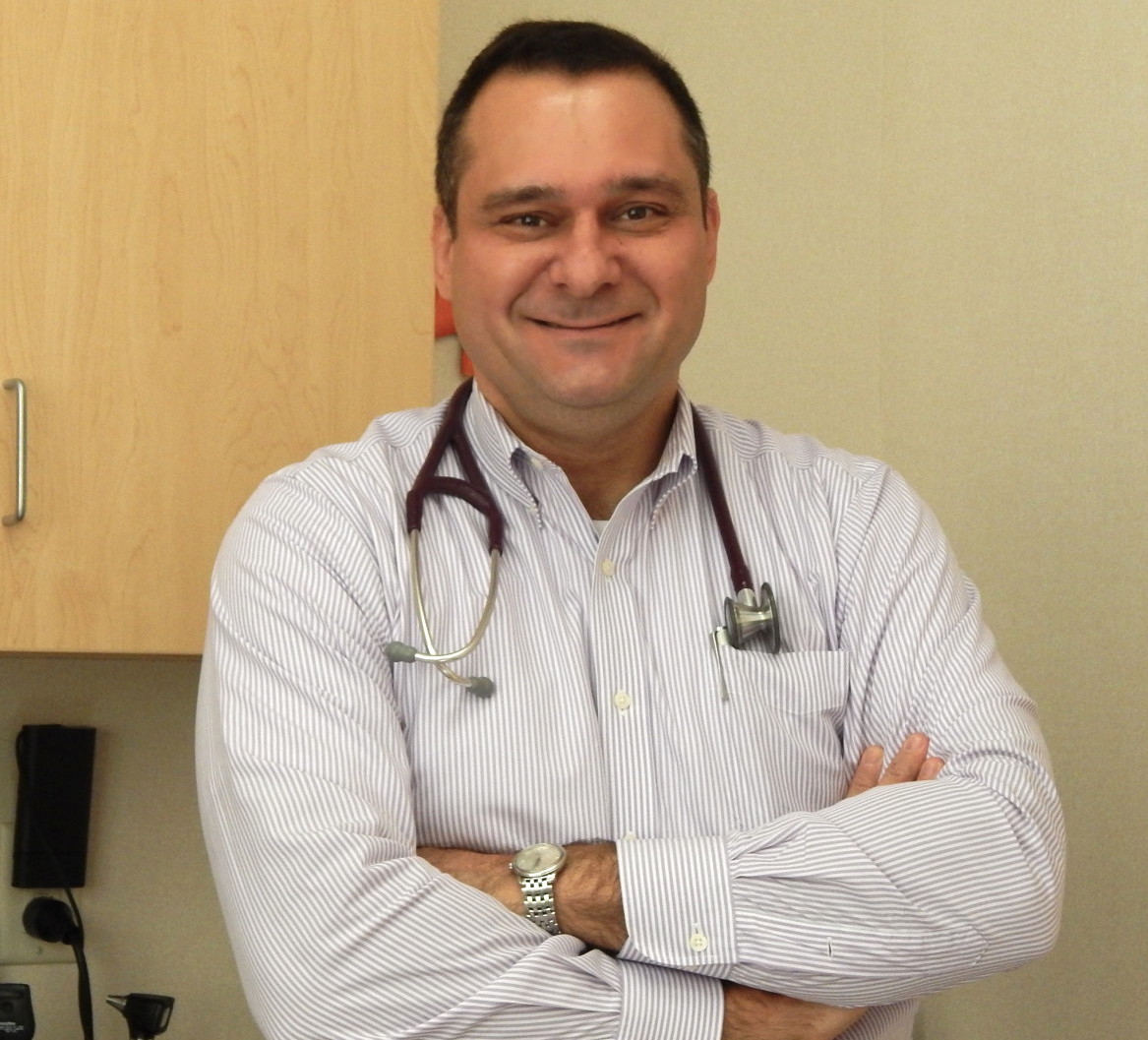

Addressing mental health issues has become an increasingly large part of pediatric practice, but few pediatricians said they could meet their patients’ behavioral health needs or easily access a psychiatrist to help. A program created in the wake of the Sandy Hook school shooting aims to change that by funding teams of psychiatrists to consult with pediatricians. It was used more than 5,000 times in its first year.
mental health
Posted inHealth
Mental health funding tradeoff draws criticism, praise
To avoid cutting $4.7 million from mental health and substance abuse treatment, the state Department of Mental Health and Addiction Services is delaying new programs, including funding for a care coordination program intended to help patients who frequently end up in the emergency room.
Posted inHealth
Hospital for Special Care opening state’s first autism inpatient unit
The Hospital for Special Care announced plans to open an eight-bed inpatient unit next month for young people with autism spectrum disorders as well as aggression, self-injury or severely impaired functioning – something hospital officials and advocates say will be an alternative to children being sent to out-of-state facilities, treatment progams that don’t meet their needs, or getting stuck in an emergency room while waiting for services.

Posted inHealth
Mental health agencies take on larger role coordinating all care
The fitness group walked in loops on the path with 51-year-old member Cindy as its unofficial cheerleader, But this is not a typical exercise group. It’s part of a statewide effort to bring together mental and physical health care for thousands of people with serious mental illness, chronic medical conditions and high health care costs. Second of two stories.
Posted inHealth
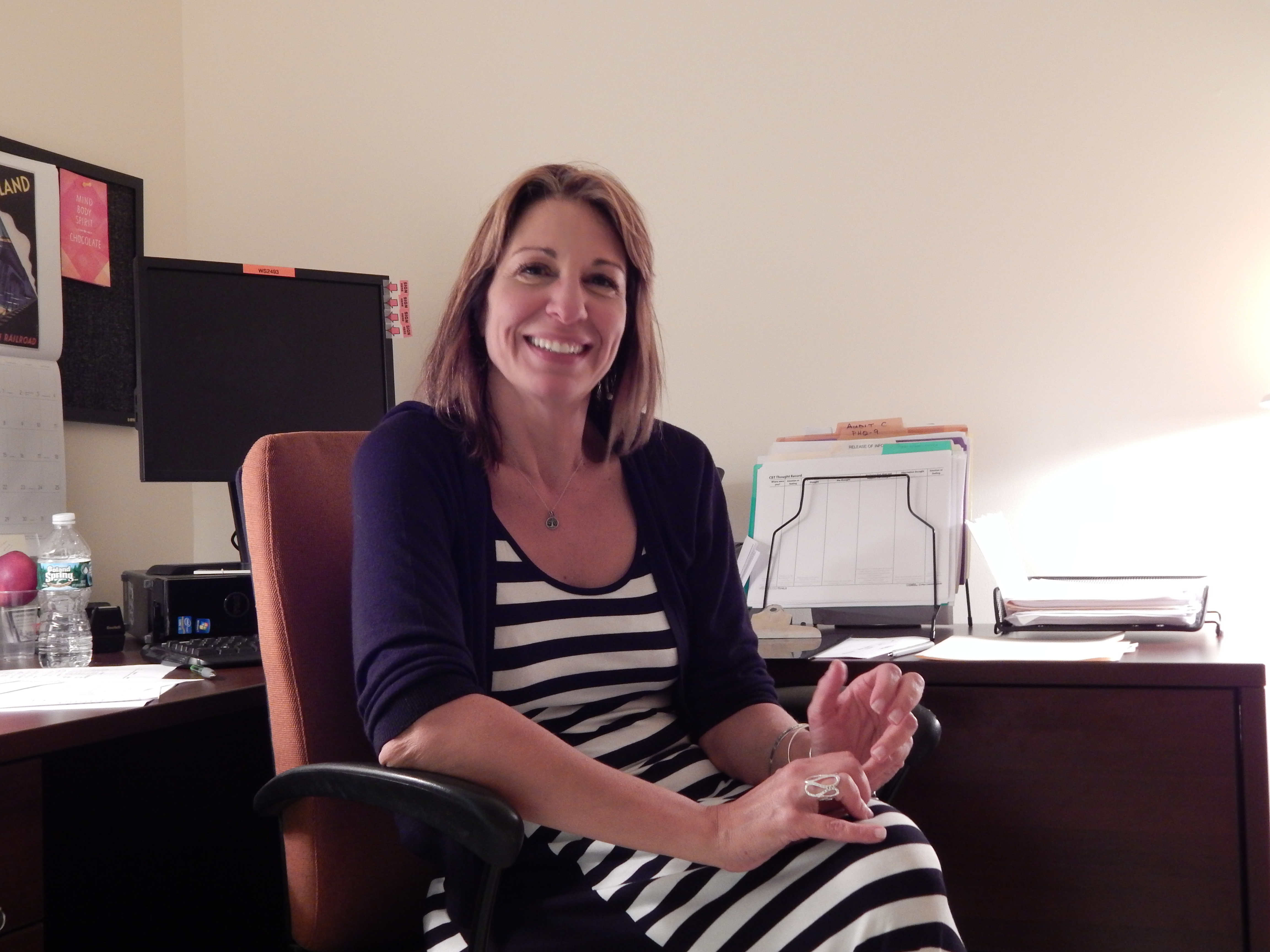
In some primary care offices: The social worker will see you now
For years, health care experts have recommended better connecting primary care and mental health. Efforts to do so have lagged, but some experts now say they see momentum picking up. First of two stories.

Posted inHealth, Politics
Murphy presses for mental health overhaul

WASHINGTON – Sen. Chris Murphy has teamed up with a Louisiana Republican to press for an overhaul of the nation’s mental health system at a time when Congress – stung by a rash of mass shootings by mentally unstable people – may be willing to consider changes.
Posted inHealth
Trying to break the cycle that creates health care ‘super-users’
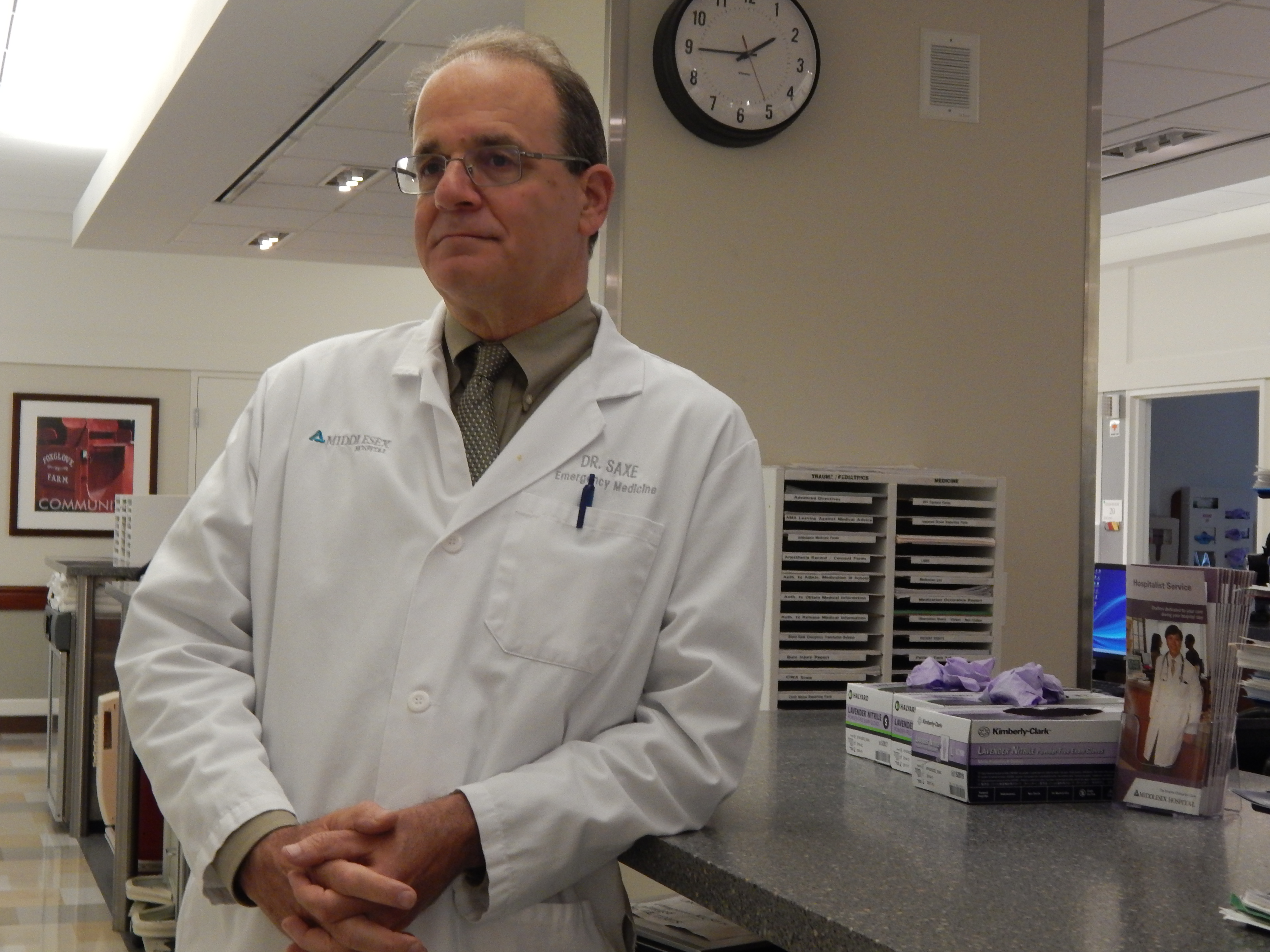
By grappling with a host of issues the medical system hasn’t traditionally handled, a Middletown-based team tries to help patients who use large amounts of health care resources that often have little impact on the psychiatric or social service needs that keep them coming back.

Posted inHealth, Politics
Budget would cut health, social services, but less than gov’s plan
Updated at 6:40 a.m.
The budget deal between legislative leaders and Gov. Dannel P. Malloy’s administration calls for millions of dollars in cuts to programs that serve seniors, poor families, and people with developmental disabilities and mental illnesses. But compared to the deep reductions Malloy proposed in February, many of the cuts are relatively modest.

Posted inHealth, Politics
Mental health experts question police PTSD compromise
A compromise proposal that passed the Senate last week would extend workers’ compensation benefits to police who experience mental health problems stemming from responding to a death caused by a person, but not those related to handling fatal car accidents. Mental health professionals say the distinction might make sense politically, but it makes little sense medically.
Posted inCT Viewpoints
Can Connecticut afford to lose more homecare mental health nurses?

A dear friend of mine who grew up in a severely dysfunctional home once said to me, “You never know what goes on in someone’s home.” I think of that often because, as visiting nurses, we do know what goes on. We bear witness to it, into that intimate bubble of a patient’s home and that of their family, a place where we can interject hope, recovery and a better life. Can society afford to lose such a valuable resource?
Posted inCT Viewpoints
When did having mental illness become a felony?
The governor’s proposed budget, with $25.5 million cuts to the safety net for people with severe mental illness and substance use problems will have a two-fold effect. No money will be saved, and dollars will shift from evidence-based treatment provided to people in their communities, to a variety of expensive and inappropriate alternatives, such as increased inpatient hospitalizations, emergency room visits, incarceration, and nursing home placements.
Posted inHealth
Mental health cuts threaten treatment system, providers say
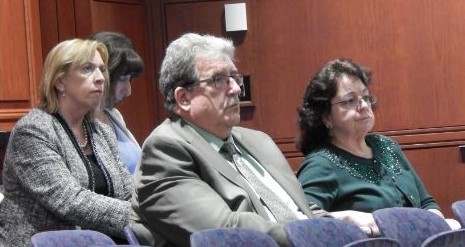
Mental health and substance abuse treatment providers say they’re planning to limit access to programs if a proposed $25.5 million cut to grant funding goes through. A recent analysis by the state Department of Mental Health and Addiction Services says even with more insured clients, the providers will only be able to make up a fraction of the proposed grant cuts. But the governor’s budget director said funding those grants is “a luxury that we can’t afford right now.”
Posted inHealth
Delphin-Rittmon promoted to lead mental health department
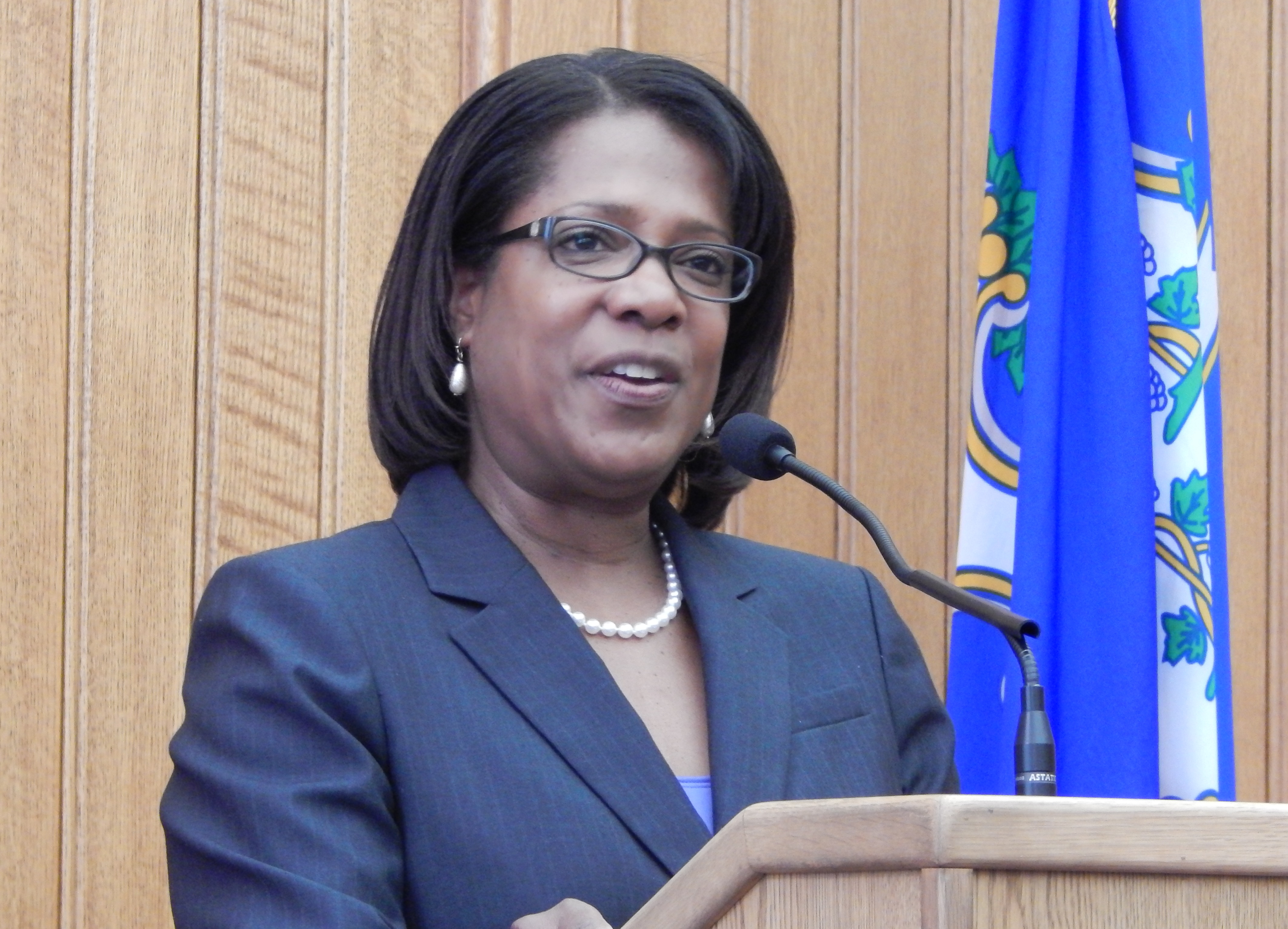
Gov. Dannel P. Malloy has named a clinical psychologist with experience working in state and federal mental health agencies to lead the state Department of Mental Health and Addiction Services.
Posted inNews
Op-Ed: Malloy budget proposes two harmful ‘hits’ to mental health center
The Connecticut Mental Health Center in New Haven is a jewel. Gov. Dannel Malloy’s proposed cuts to the Department of Mental Health and Addiction Services would undermine the Connecticut Mental Health Center and set back efforts to improve the lives of people with mental illness.
Posted inCT Viewpoints
Malloy budget proposes two harmful ‘hits’ to mental health center
The Connecticut Mental Health Center in New Haven is a jewel. Gov. Dannel Malloy’s proposed cuts to the Department of Mental Health and Addiction Services would undermine the Connecticut Mental Health Center and set back efforts to improve the lives of people with mental illness.