

“If our trains and buses rely on the Special Transportation Fund as it exists and is funded today, we will be back for more hearings like this for years to come. What we need is systemic change in how we fund transit. Yet I know of nobody in Hartford with the guts to be honest with commuters and taxpayers about what is coming.”
Metro-North
Metro-North is a commuter train with service to New York City. Its New Haven line brings passengers from the Connecticut shoreline to Grand Central Station.

Posted inCT Viewpoints, Talking Transportation
Bikes now allowed on Metro-North… sometimes
Days before the Connecticut Department of Transportation opens public hearings on a proposed 5 percent fare increase on Metro-North, Gov. Dannel Malloy held a media event to promote good news about “improved service” on our highest-fares-in-the-nation railroad. What? A return of the bar cars? More seats on crowded trains? No, nothing that monumental: just a new e-ticketing app and word that bike racks have been installed on our trains.
Posted inCT Viewpoints, Talking Transportation
Don’t blame Malloy for transit fare hikes
Sure, it was sleazy of Gov. Dannel Malloy and the Connecticut Department of Transportation to release news of a proposed 5 percent fare hike on Metro-North on a Friday afternoon in July, hoping nobody would notice. But the more I dig into the proposal, the more I realize the governor and CDOT are not to blame. It’s the Connecticut legislature that’s really responsible for this fare hike.
Posted inCT Viewpoints, Talking Transportation
Connecticut’s infrastructure dangling by a thread
The recent fire under the Park Avenue viaduct in Harlem, which disrupted commutes of a quarter million Metro-North riders, got me thinking: our aging, crumbling and vulnerable transportation infrastructure is close to collapse, and the effects of such failure could be catastrophic. Consider this track-record:
Posted inCT Viewpoints, Talking Transportation
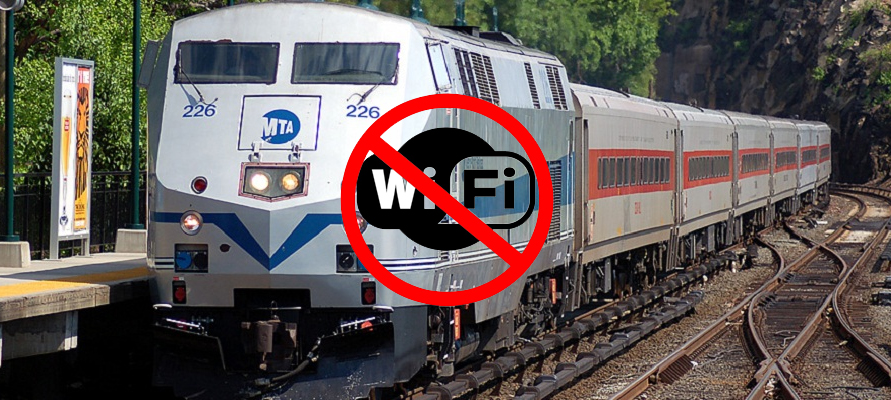
No Wi-Fi on Metro North, and here’s why
Discount bus lines like Megabus have free Wi-Fi. Even Connecticut’s new CTfastrak commuter bus system to Hartford gives its passengers free Wi-Fi.
But there is no Wi-Fi on Metro-North. And the railroad says none is planned, even though the new M8 railcars are ready for the needed gear. And therein lies a story.
Posted inPolitics, Transportation
Decision on widening I-95 key step in transportation master plan

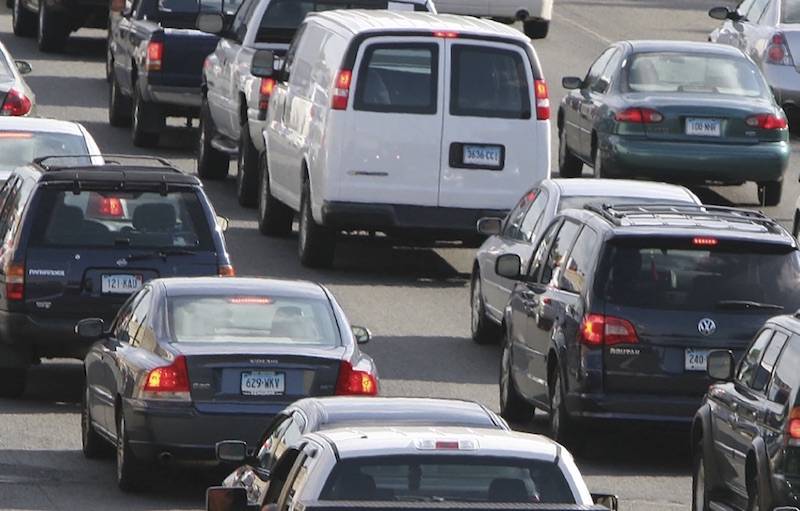
State transportation officials want to widen I-95 and introduce congestion or time-of-day tolling on it, to both reduce congestion and raise revenue for Gov. Dannel P. Malloy’s massive 30-year transportation plan. But there’s plenty of opposition to the widening, and if it can’t be resolved, the increasingly daunting challenge of funding the program could become that much more difficult.

Posted inCT Viewpoints, Talking Transportation
Secrets for successfully riding Metro-North
Each week, dozens of people ride Metro-North for the first time. This week’s column is to let both new and veteran commuters in on the secrets of a successful rail commute.

Posted inNews
Train safety, gun checks, Medicare premiums among issues affecting Connecticut

Congress delayed for years the deadline for implementing a train safety system and passed a two-year budget that will help Connecticut defense contractors and Medicare recipients. Connecticut students received a mixed report card from the U.S. Department of Education, and whether Pratt & Whitney won a big engine contract remained a military secret.

Posted inCT Viewpoints, Talking Transportation
Traveling by tube (not just in London)
Will the train of the future be a high-speed tube, not a railroad? That’s inventor and entrepreneur Elon Musk’s and others’ vision. The concept sounds simple: move passengers in a sealed tube through a series of giant pipes propelled by air pressure at speeds up to 700+ mph. That would mean a trip from New York to Washington, D.C. would take 20 minutes.

Posted inPolitics
Congress moving to prevent disruptions on Amtrak, Metro-North
WASHINGTON — Congress is bowing to warnings by the nation’s railroads, including Metro-North and Amtrak, that passenger service would be disrupted or suspended if a federal deadline for implementation of a safety measure is not pushed back. Congress is rushing to comply. There is broad agreement the deadline should be put off, but there are hurdles.
Posted inCT Viewpoints, Talking Transportation
Good news and bad news for Metro-North
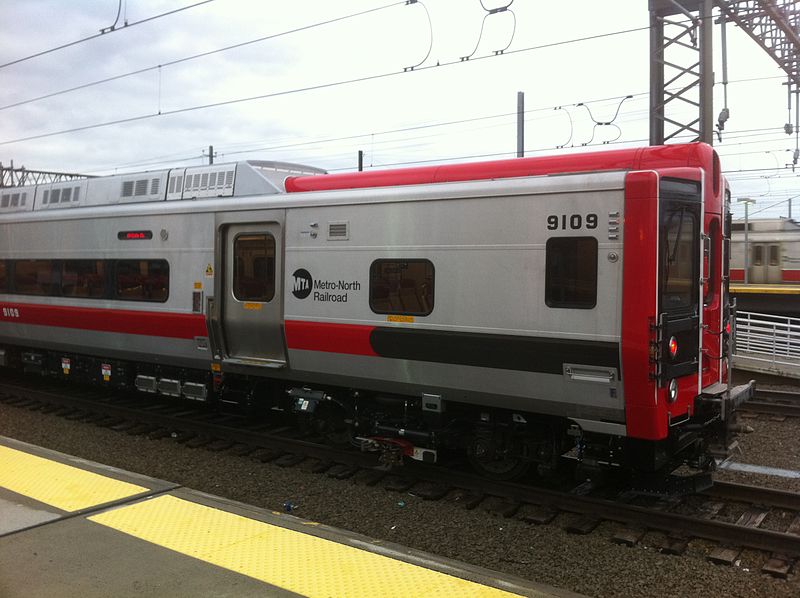
It’s been a rough few years for Metro-North, what with derailments, crashes and commuter deaths. But it finally seems like service and safety are coming back.
Posted inCT Viewpoints, Talking Transportation
With Metro-North, some things never change
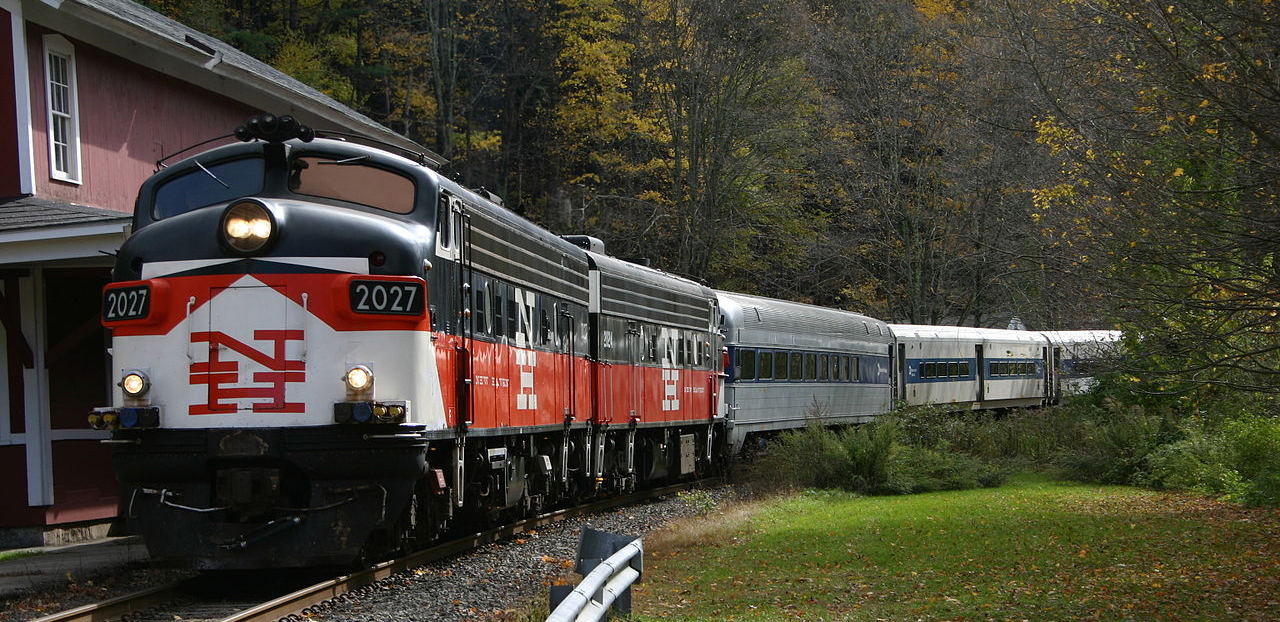
Train crashes, passenger deaths, grade-crossing accidents, derailments. These are not just the recent history of Metro-North, but events dating back decades. A friend of mine loves reading the microfilms of our town’s weekly newspaper and has been feeding me clippings of all the stories about the New Haven line. The news reports sound all too familiar.
Posted inPolitics
Blumenthal: Rail safety violators must be fined, but not Connecticut
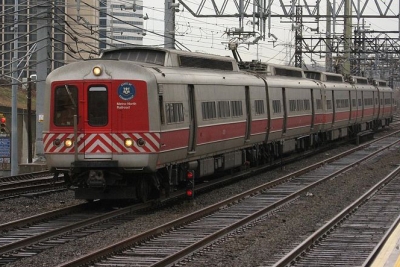
Sen. Richard Blumenthal wants the Federal Railroad Administration to fine those who fail to meet a Dec. 31 deadline to implement rail safety technology called Positive Train Control — but he would spare Connecticut from punishment.

Posted inEnergy & Environment
Climate change threatens Connecticut’s vital shoreline rail

As the state invests in a multi-billion-dollar plan to upgrade the rail line, there are those who say the impact of climate change isn’t being considered carefully enough. They worry the plan will entrench the line in locations vulnerable to storms and flooding. But others say it’s too expensive to move the line, and there are other ways to mitigate the impact. First of two stories.
Posted inPolitics
ConnDOT’s early stumbles, successes in development

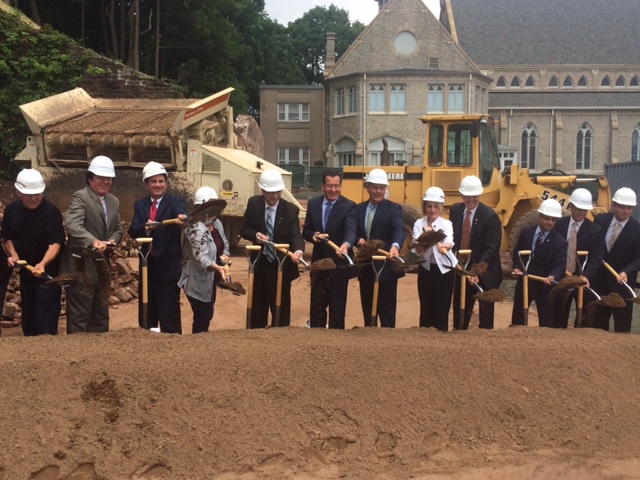
In fits and starts, transit-oriented development projects, TODs in planning jargon, are taking root in Connecticut, a state expanding mass transit with the Hartford-to-New Britain busway, commuter rail service from Springfield to Hartford to New Haven expected by 2017, and Metro-North improvements from New Haven to New York.