


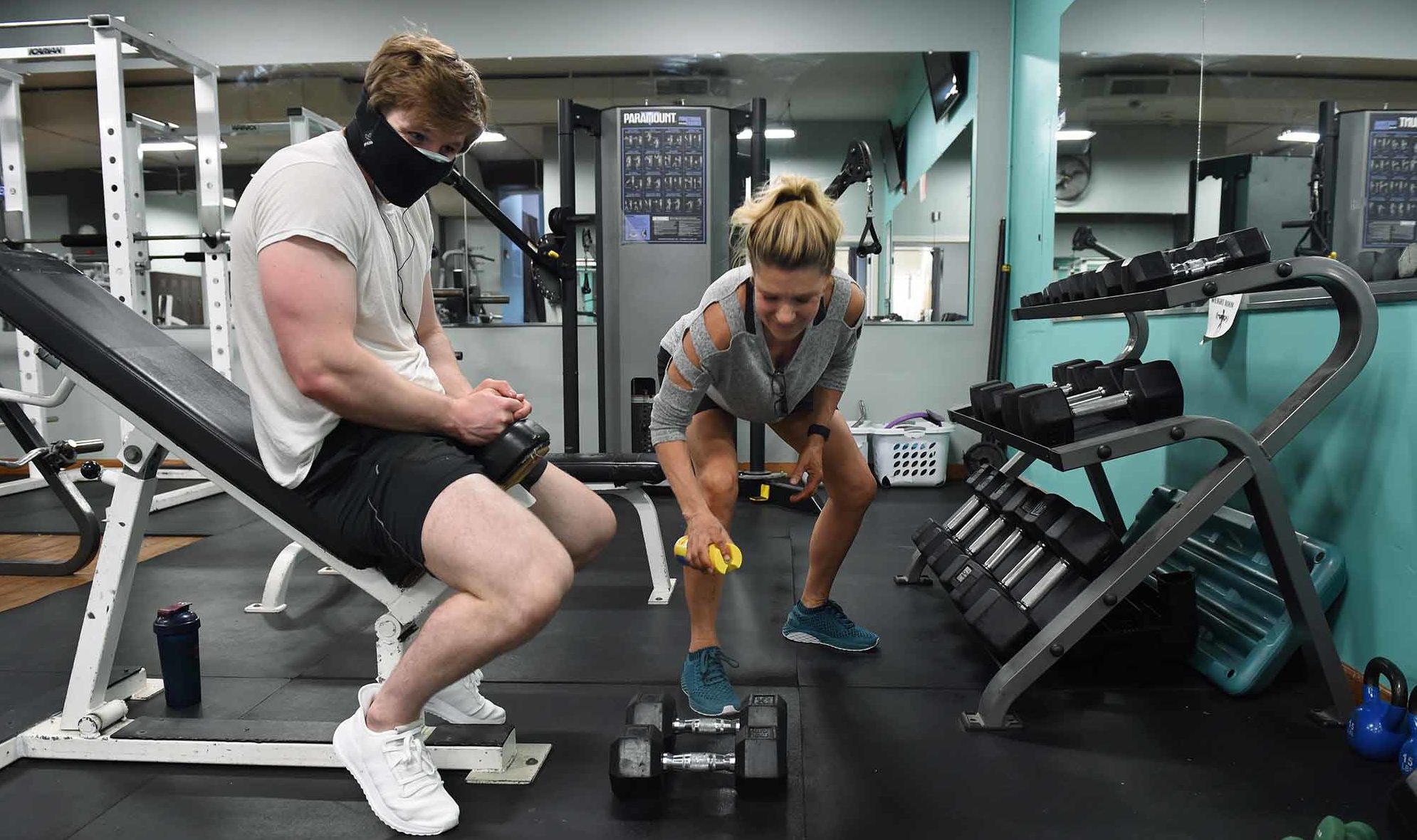
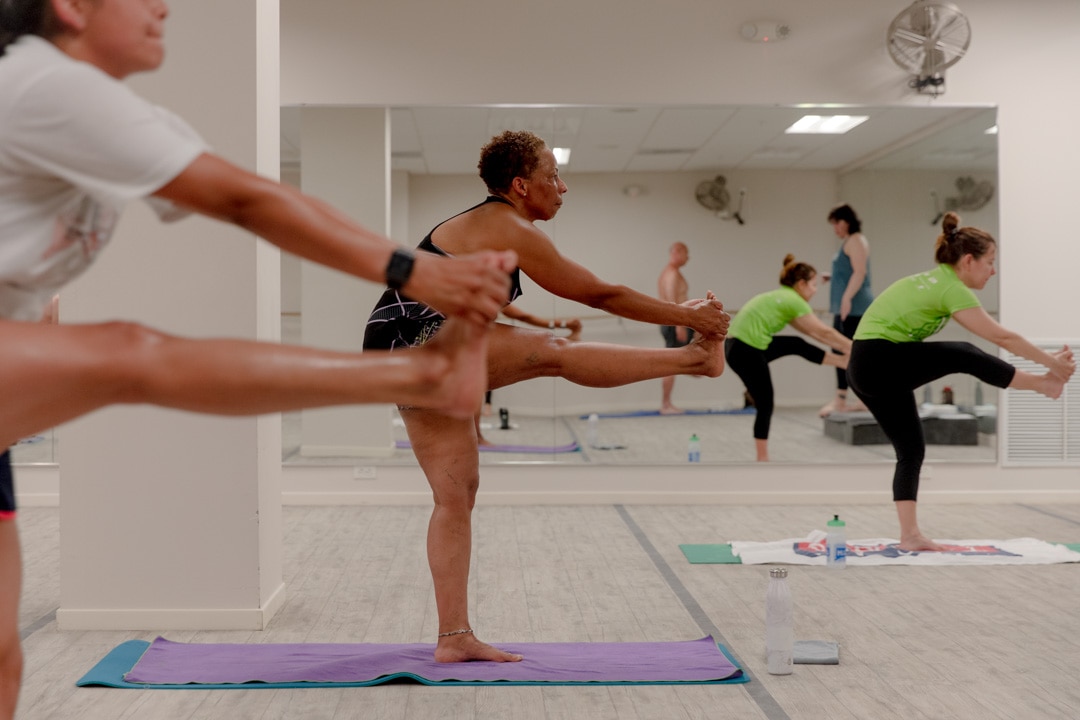
Tory Brogan was sounding stressed out Wednesday. He has a long list of worries surrounding the full reopening of his Hartford Sweat yoga and fitness studio for the first time since March 17.
Enhanced cleaning procedures. No renting towels to customers. Ensuring 12-foot spacing in the exercise room. When to require masks. Concerns about potential coronavirus liability lawsuits. Touchless payment interactions. Limited locker and changing facilities. Restricting the number of customers who can be inside the downtown Hartford studio at any one time.
“This is a really different environment. This is something that goes through every aspect of our business,” said Brogan, who is co-owner of the yoga center with his wife. They have been offering only online classes since March. Now, he said, “It’s a whole new world.”
The second phase of Connecticut’s effort to reopen its economy is happening this week with lots of caution and more than a little fear on the part of businesses and customers about the potential for a renewed surge in COVID-19 infections.
Restaurants, gyms and fitness studios, libraries, amusement parks and hotels are among the businesses and institutions allowed to resume indoor services to customers as of Wednesday.
As those businesses reopened, public health data Wednesday showed the state continues on a downward trend in the COVID-19 curve. There were 80 new confirmed cases of COVID-19 reported, with an additional 6,430 tests. There were 186 patients hospitalized with the disease — 15 fewer than Tuesday — down from a high of 1,972 on April 22. There were nine new deaths in the numbers reported Wednesday, bringing the state overall total to 4,219.
Lamont has pointed to Connectiut as a leader in reversing the COVID-19 trends on the downward side of the curve of cases and hospitalizations.
“We’re one of the exceptions to the trends around the country. Together, let’s keep it that way,” Lamont tweeted Wednesday afternoon.
One indication of how concerned businesses and other operations are about reopening their doors: the number that are waiting days or even weeks more before allowing customers to return.
Reopening delays
Gov. Ned Lamont said Wednesday that only about 10 of Connecticut’s more than 200 libraries are planning on immediately reopening. Mystic Aquarium is still completing long-planned renovations and isn’t reopening its indoor exhibits until Saturday. Lake Compounce, Connecticut’s largest amusement park, won’t to allow customers back in until the week of July 1-6.
The Middlesex YMCA in Middletown, like most other YMCAs around Connecticut, doesn’t plan to reopen until Monday, which was the original date set for the start of the state’s Phase II economic pandemic plan.
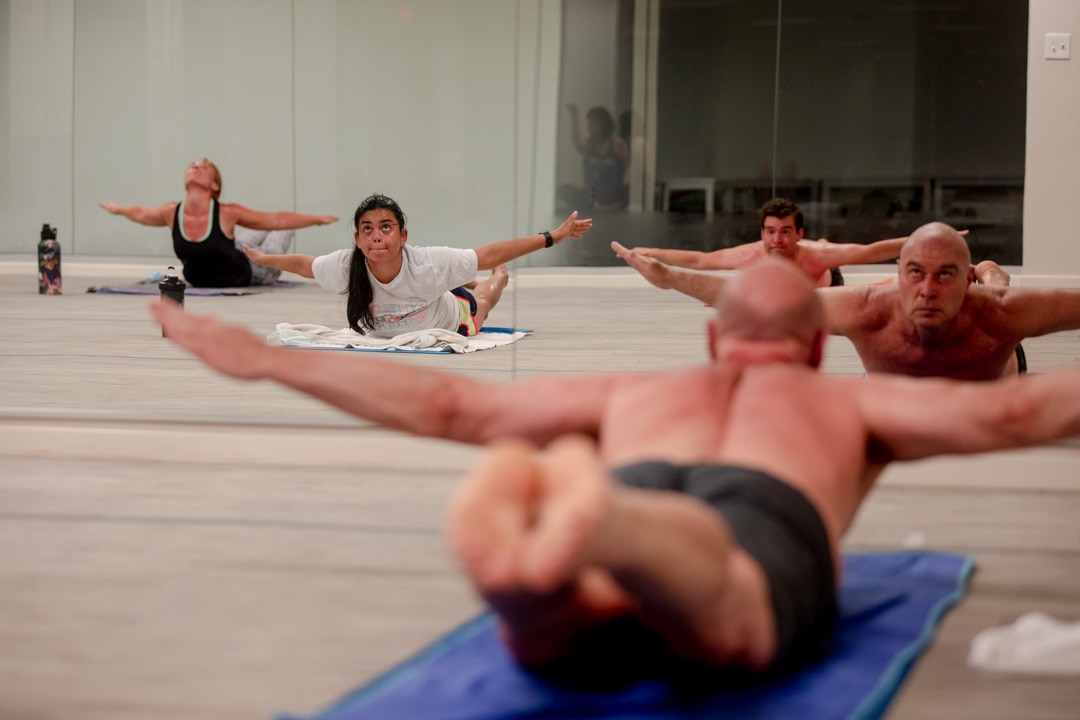
“We just felt we wanted to do this properly,” said Heather Chandor, vice president for operations there.
Chandor said there will be very tough restrictions on use of the Y’s pool during the reopening phase, with reservations required, “only allowing one [swimmer] per lane” and a maximum of six people in the pool at any one time. Locker rooms will continue to be closed and no post-swimming showers will be available, she said.
Lamont, speaking during an electronic visit with the Westport Chamber of Commerce Wednesday, continued to be upbeat about Connecticut’s low rates of COVID-19 hospitalizations and infections and the cautious state economic restart.
But the governor warned that, “We’re not out of the woods yet” and cited spikes in new infections in states like Texas and Arizona that reopened their economies at a much quicker pace than Connecticut.
Capacity limitation worries and hassles
Restaurants, gyms and fitness centers like the one operated by Brogan and his wife are limited to 50 percent of their normal indoor capacity by order of Lamont’s administration. Outdoor service has been available at restaurants since May 20 but only if they had outdoor space available, which was a serious problem for many restaurants and other operations.
While restaurants across Connecticut have been lobbying for weeks to get customers back indoors and for a return to full indoor operation, some were taking a go-slow approach to indoor dining this week.
The Union Street Tavern in Windsor, for example, was starting with just 30 percent of its indoor capacity, according to the popular restaurant’s general manager, Leland Clark.
“We’re going to start with limited seating,” Clark said. “We don’t think it’s wise to jump into [50 percent] capacity until we see how things play out.”
Clark said his staff has gone through repeated training regimes, including how to enforce the restaurant’s mask policies. The Tavern is requiring staff to wear masks at all times and customers to wear masks whenever they speak to staff or when they’re not actually eating or drinking at their tables.
“We have refused a number of people at the door who refused to wear masks,” Clark said. “We tell them they can dine with us later.”
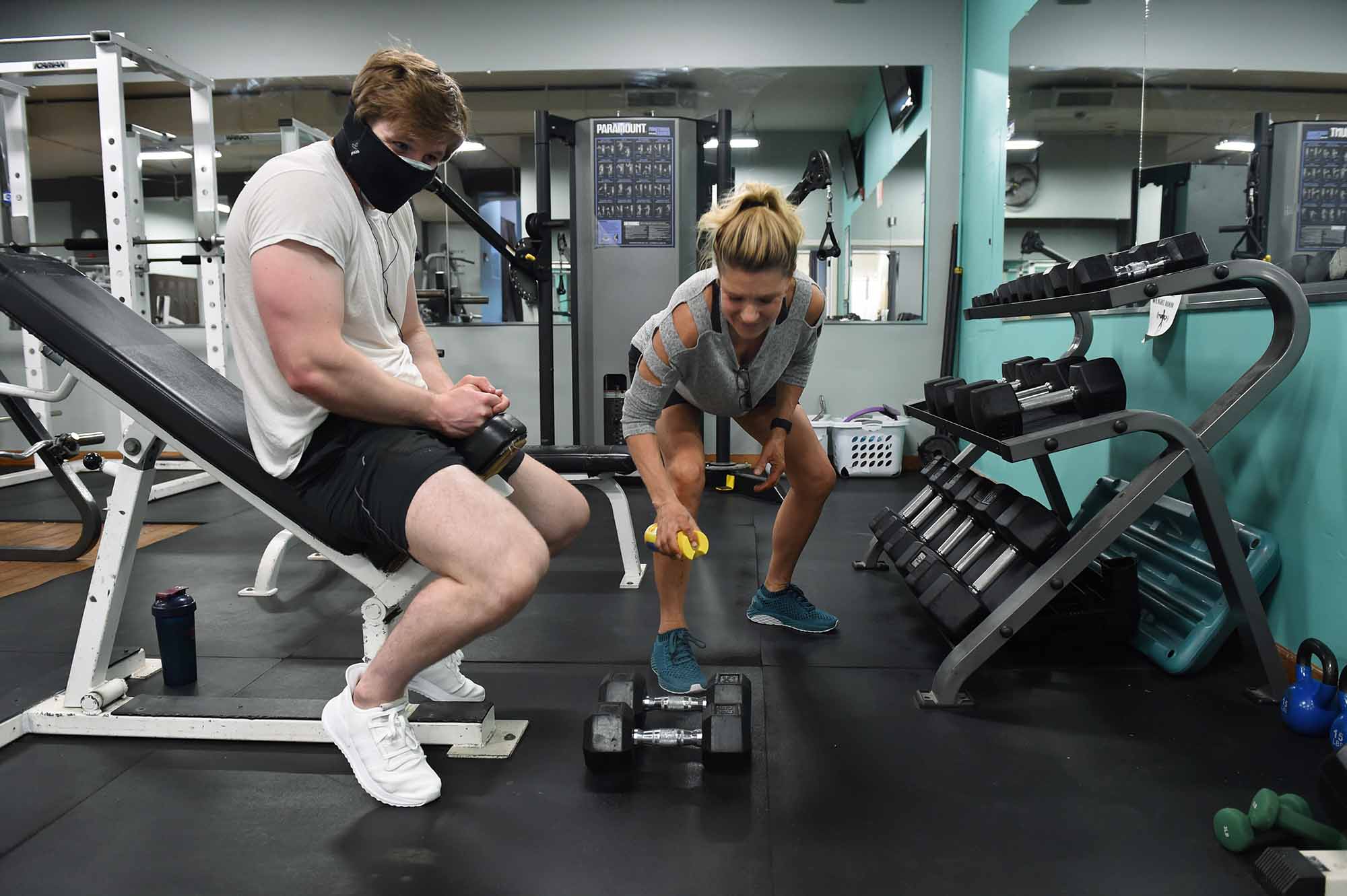
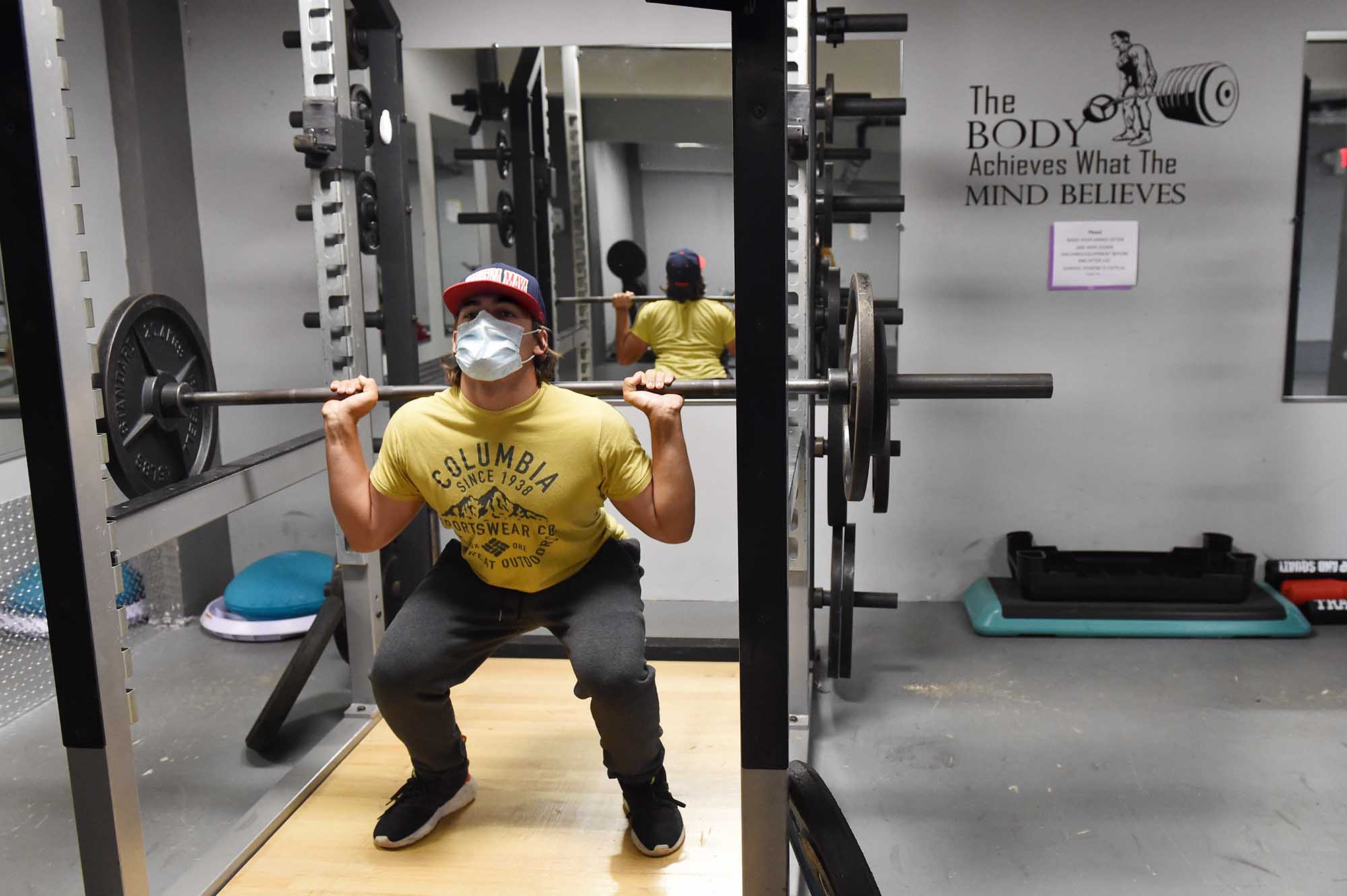
The 50 percent capacity rule and social distancing protocols set out by the state have caused plenty of sleepless nights for Deb Vynalek, owner of the Core Club gym in Durham.
“It got worse this week,” Vynalek said of her pandemic-business-related insomnia. She said state officials have repeatedly changed requirements for how far apart exercise machines have to be in gyms. “It was 12 feet, 6 feet, 16 feet… Every day it was changing. It was driving me crazy.”
But Vynalek said she is determined “to do the right thing” for her customers and to abide by all the state’s pandemic rules. “I want to be able to be here, to be functional,” she said.
“We put in all this Plexiglass at the front desk and between all the machines in the cardio room,” Vynalek explained. Some exercise machines were moved to a lower floor to allow 16-feet between each machine. “We have hand sanitizers everywhere,” she said.
Will consumers feel safe to return indoors?
A bigger issue for many indoor businesses that reopened this week is whether customers will feel safe enough to return.
“We’re going to have to build people’s confidence for them to go back indoors,” Lamont told Westport’s business community. “We’ve got to give them confidence they can do it safely.”
Meanwhile, the state Department of Economic and Community Development’s tourism arm announced it is launching a $1.2 million advertising campaign targeting audiences in New York, Rhode Island, and Massachusetts to convince people they can safely come back to this state.
The campaign will include television ads as well as paid social media and public relations efforts, according to state officials.
Asked when his administration might allow businesses to return to 100 percent capacity operations, Lamont said that would be “sort of based on performance.”
“If there’s not a flare up [of new COVID-19 cases] … I can see our restaurants getting back to full capacity as time goes on,” the governor said. He also suggested that the colder weather in October and November “will help get people back inside.”
COVID-19 business liability concerns
Another major concern for all kinds of businesses is whether customers who come down with the coronavirus will file lawsuits against commercial operations where they think they contracted the disease.
“Yeah, it’s certainly in the back of our minds,” Brogan said. “We need to revamp our liability waivers.” Brogan said what he would like to do is get customers’ “to acknowledge that part of their responsibility is for their own health and safety, including COVID.”
That pandemic-related liability issue and whether the state could provide protection for businesses was another question Lamont had to deal with Wednesday.
“There’s nothing I can do within my executive powers as governor on that,” said Lamont, who said his granting of complete coronavirus liability protection for hospitals and nursing homes was related to the health emergency.
The governor pointed out that many employees and unions also wanted an automatic presumption that, if they caught COVID-19, all related costs would be covered by workmen’s compensation. “We’re not doing that,” Lamont said.
“We’ve got a lot of businesses who say they want absolute liability protection… and we’re not doing that either,” Lamont said.
Lamont again said that the state “has put in place a very clear set of protocols” for customer and employee safety during the pandemic. “I think that’s going to be some protection for businesses… that have followed the protocols,” Lamont said. “That will be protection against liability.”
Connecticut Public Radio Reporter Jim Welch contributed to this story.
