



Connecticut’s performance this year on the so-called ‘Nation’s Report Card,’ the country’s most comprehensive assessment of what students know, was remarkably the same as it was the last time the test was given two years ago. The average student’s performance and the gaping gaps in achievement between different groups of students were largely unchanged.

Jacqueline Rabe Thomas
Jacqueline was CT Mirror’s Education and Housing Reporter, and an original member of the CT Mirror staff, joining shortly before our January 2010 launch. Her awards include the best-of-show Theodore A. Driscoll Investigative Award from the Connecticut Society of Professional Journalists in 2019 for reporting on inadequate inmate health care, first-place for investigative reporting from the New England Newspaper and Press Association in 2020 for reporting on housing segregation, and two first-place awards from the National Education Writers Association in 2012. She was selected for a prestigious, year-long Propublica Local Reporting Network grant in 2019, exploring a range of affordable and low-income housing issues. Before joining CT Mirror, Jacqueline was a reporter, online editor and website developer for The Washington Post Co.’s Maryland newspaper chains. Jacqueline received an undergraduate degree in journalism from Bowling Green State University and a master’s in public policy from Trinity College.
Posted inEducation
Obama’s education chief blasts CT retreat on desegregation efforts
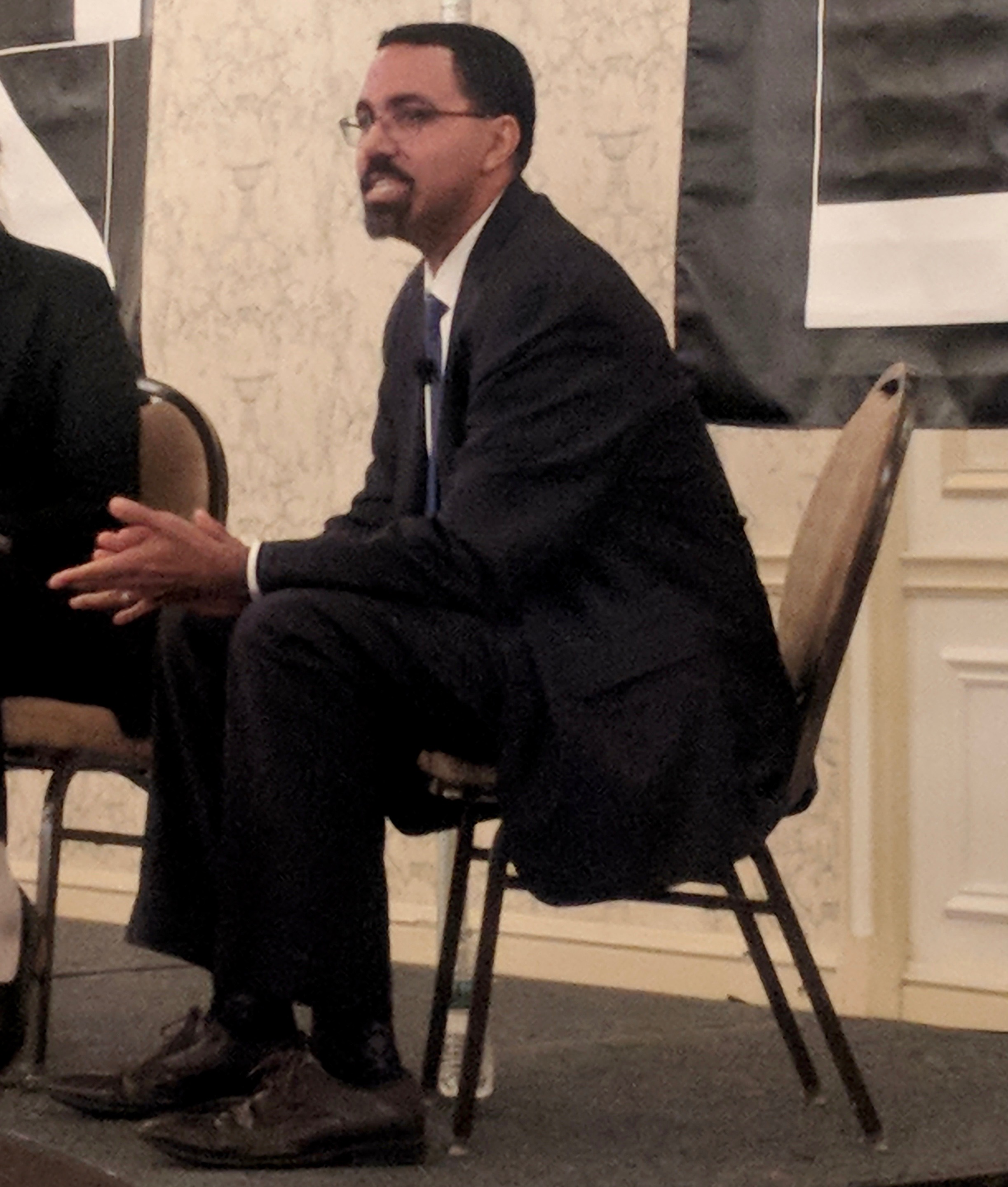
NEW HAVEN — A lack of political will is preventing spending money on approaches that research shows work to improve outcomes for students, particularly desegregating schools, former education Secretary John B. King said in New Haven Friday.

Posted inEducation, News
How one school district tackled assaults on teachers
Statewide, there has been little progress in stemming aggressive student behavior as student suspension and expulsion rates steadily decline. For this Sunday Conversation, we sat down with Tod Couture, a special education teacher from Enfield, to talk about school safety in a district that is focusing its resources on another safety issue: student assaults on teachers.

Posted inEducation
A windfall of federal aid for child care for needy families
New federal funding will help Connecticut’s Care4Kids child care subsidy program, in which enrollment has been down sharply because of budget constraints.

Posted inEducation
Towns told to make up for state education cuts
Shortly after the governor imposed $58 million in midyear cuts to state education aid for 130 communities last November, the state informed superintendents their districts would lose even more state funding if they coped by cutting their own budgets by more than the administration has determined the law allows.

Posted inEducation
How safe are CT students at school?
While much of the focus – and funding – has been directed at protecting students from another active shooter, data on Connecticut’s public schools show no decline in a number of much more common safety issues schools face, such as fights and other physical confrontations. That lack of progress has fueled a debate over whether the state’s push to reduce student suspensions and expulsions – and instead provide students with supports so they can stay in school – actually is working to make schools safer.

Posted inEducation, Health, Justice
A debate over how government should identify our ethnicity
Using more detailed ethnic categories in student and health data could allow policymakers to better serve small populations, but some people in those small populations are anxious about extra scrutiny, the possibility of discrimination and being labeled as other than American.

Posted inJustice
Report: Overhaul needed to avoid ‘untimely’ health care for inmates
The state system of providing healthcare to nearly 14,000 inmates in state prisons is on a path to “inadequate staffing” and “untimely healthcare,” according to consultants hired by the state Department of Correction. The consultants recommend a transition to a “hybrid” model of care that relies more heavily on private providers.
Posted inEducation
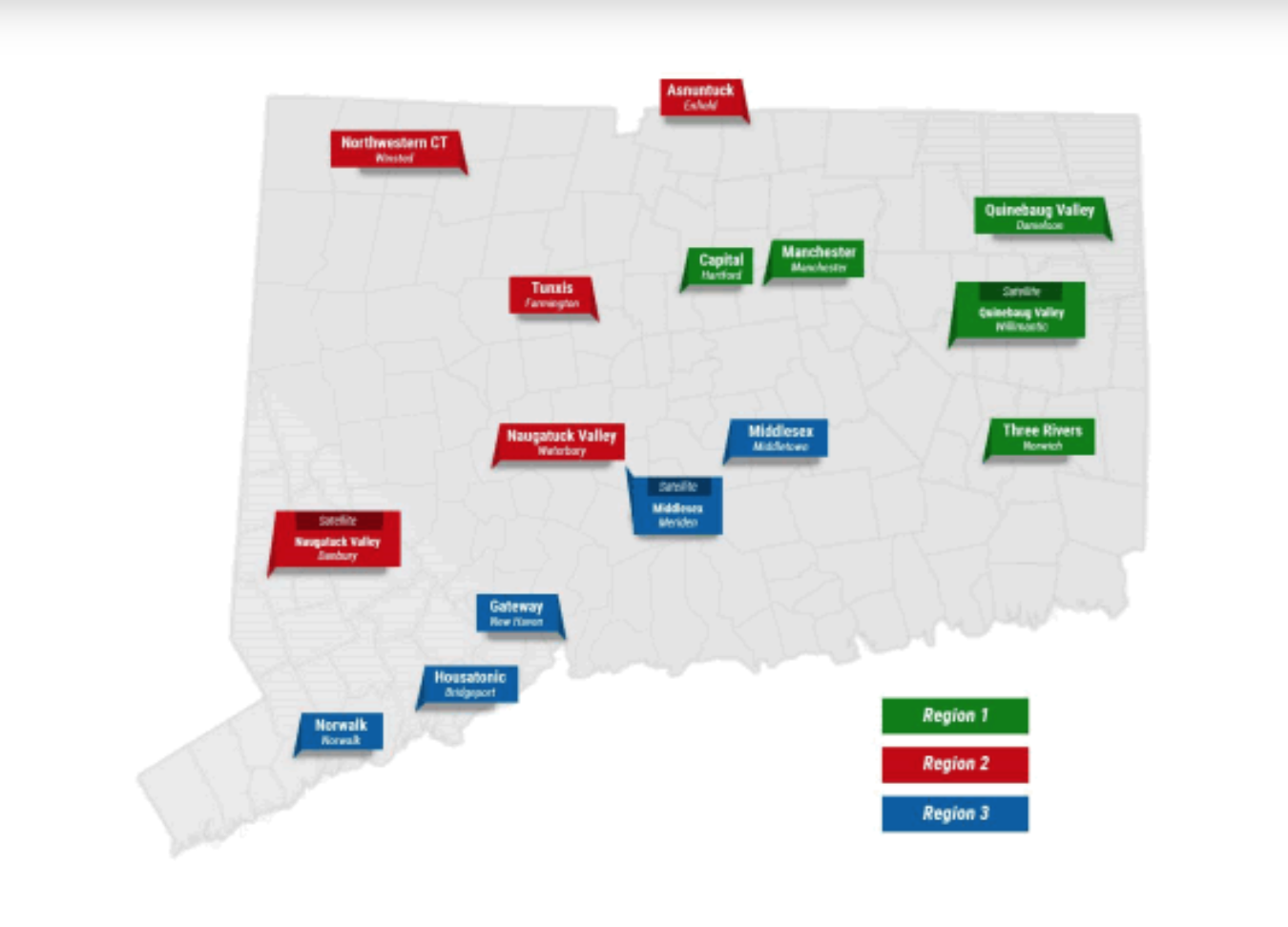
How the ‘Students First’ college consolidation affects students
With the next fiscal year just four months away – and little hope for more funding for state colleges – the Board of Regents for Higher Education today approved a plan that rejects closing a community college campus and instead dramatically downsizes administrative staff. The move to consolidate a dozen community colleges is projected to save $28 million.

Posted inJustice
Changes sought in treatment of women behind bars
Saying his goal was dignity, compassion and empathy for women behind bars, Gov. Dannel P. Malloy proposed a wide-ranging bill to change how women are treated while incarcerated.
Posted inJustice
Dwindling oversight heightens concern over medical, mental health care for inmates
The recent birth of a baby in an inmate’s cell – as well as large budget cuts, a lack of outside oversight, and a history of complaints – have fueled concerns among some legislators and civil rights groups about the quality of medical and mental health care being provided to Connecticut’s inmates, most of whom eventually will be released.

Posted inEducation
School choice lottery a mystery for parents as desegregation efforts stall
The confusion surrounding who wins the lottery – or doesn’t – has fueled displeasure and distrust among many Hartford residents concerned that the vast network of magnet schools has created a two-tiered education system where thousands of struggling city students are stuck in underperforming neighborhood schools.

Posted inEducation
Board rejects legislature’s budget for more charter school funding
Frustration over the state’s funding of charter schools boiled over Wednesday when the State Board of Education rejected on principle the state budget’s allocation of the additional $613,500 to three charter schools so they could enroll an additional 57 students.

Posted inEducation
A demand for lots more detail on community college consolidation
Officials of the state’s 12 community colleges must answer a long list of questions from the schools’ accrediting body before their plan to shed hundreds of administrative positions can move forward.

Posted inEducation
UConn considers netting more revenue from student charges
The University of Connecticut’s governing board next week will consider overhauling student charges in a move that would bring a net increase of $1.3 million into the public university’s coffers.