


Senate President Pro Tem Martin M. Looney of New Haven called Friday for an optional local sales tax increase to help cities and towns control property tax rates. This would add a local surcharge of one-half of 1 percentage point to the existing 6.35 percent state sales tax.
Cities & Towns
Connecticut has 169 cities and towns. Keep up with their neighborhoods, their municipal governments and regionalization efforts here.

Posted inCities & Towns, Money
Jepsen sees ‘not insubstantial’ risk in casino expansion

Allowing Connecticut’s two federally recognized tribes to jointly operate a casino off tribal lands would pose legal risks that “are not insubstantial” to the more than $250 million in slots revenue annually shared with the state, Attorney General George Jepsen wrote Monday in a formal legal opinion.

Posted inCities & Towns
Has regionalism’s time finally come?

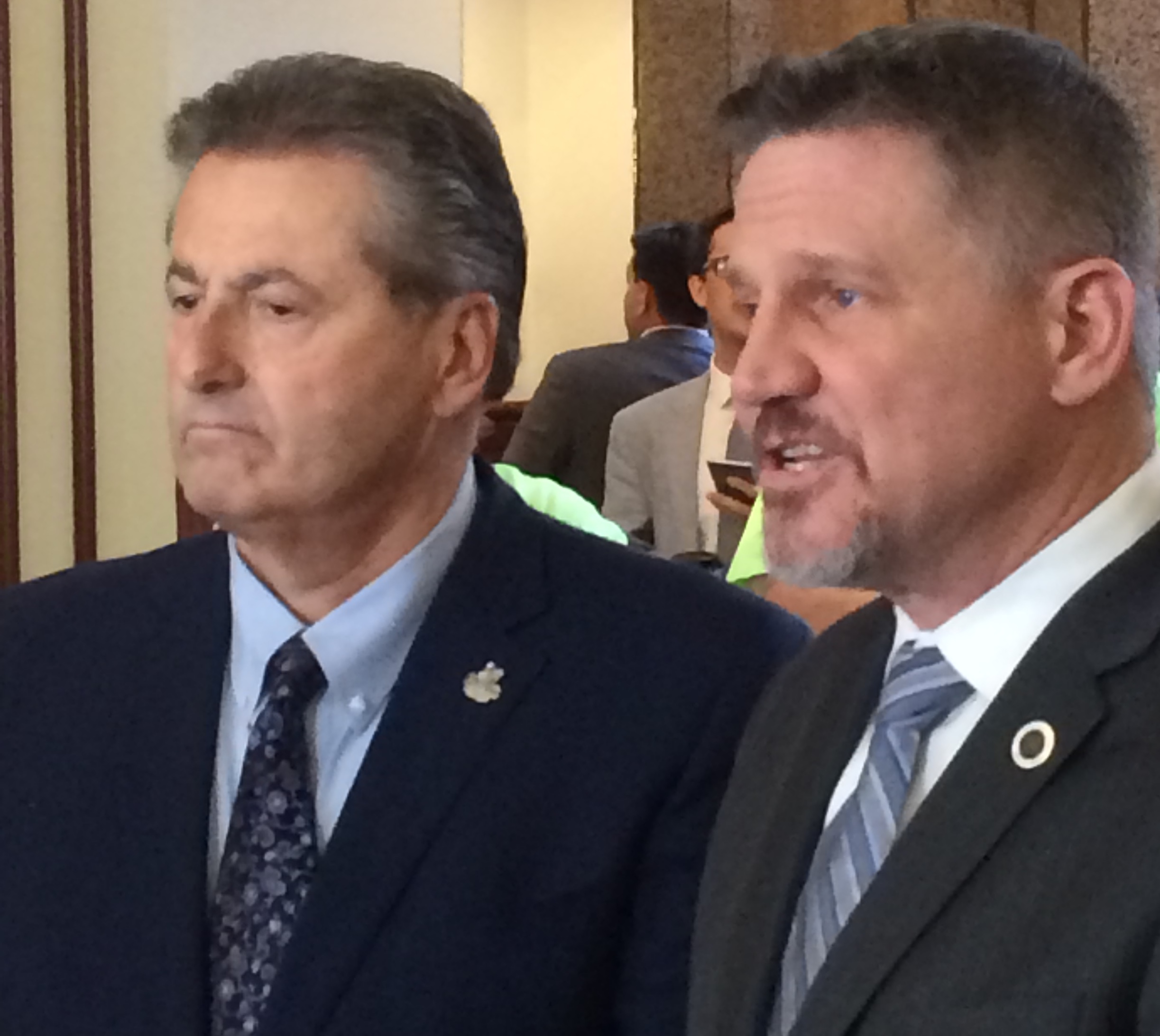
While autonomous municipal government — home rule — is the norm and likely to remain so, regional cooperation has been inching ahead. Now with the state and several large cities facing severe fiscal challenges, mayors such as Hartford’s Luke Bronin and others, including the state’s major municipal advocacy group, are pushing for more regional sharing.
Posted inCities & Towns, Money, Politics
Tribes renew pitch for third casino, say they’ll name site in days
Updated at 2:45 p.m.
The tribes running the state’s two casinos will announce within days where in north-central Connecticut they want to build a satellite gaming facility, casino leaders announced Thursday.

Posted inCities & Towns, Money, Transportation
Griebel on the business climate: ‘Confidence must be restored’
R. Nelson “Oz” Griebel, longtime chief executive officer of the MetroHartford Alliance, has been active in state, regional and city public policy for nearly two decades. He chaired the state Transportation Strategy Board and ran, unsuccessfully, for governor in 2010. Now, as the governor and General Assembly resume debate on the state budget and massively under-funded retirement benefit programs that threaten Connecticut’s fiscal future, Griebel sat down to talk with The Mirror.

Posted inCities & Towns, Education, Money, Politics
Malloy proposes easing mandates on cities and towns
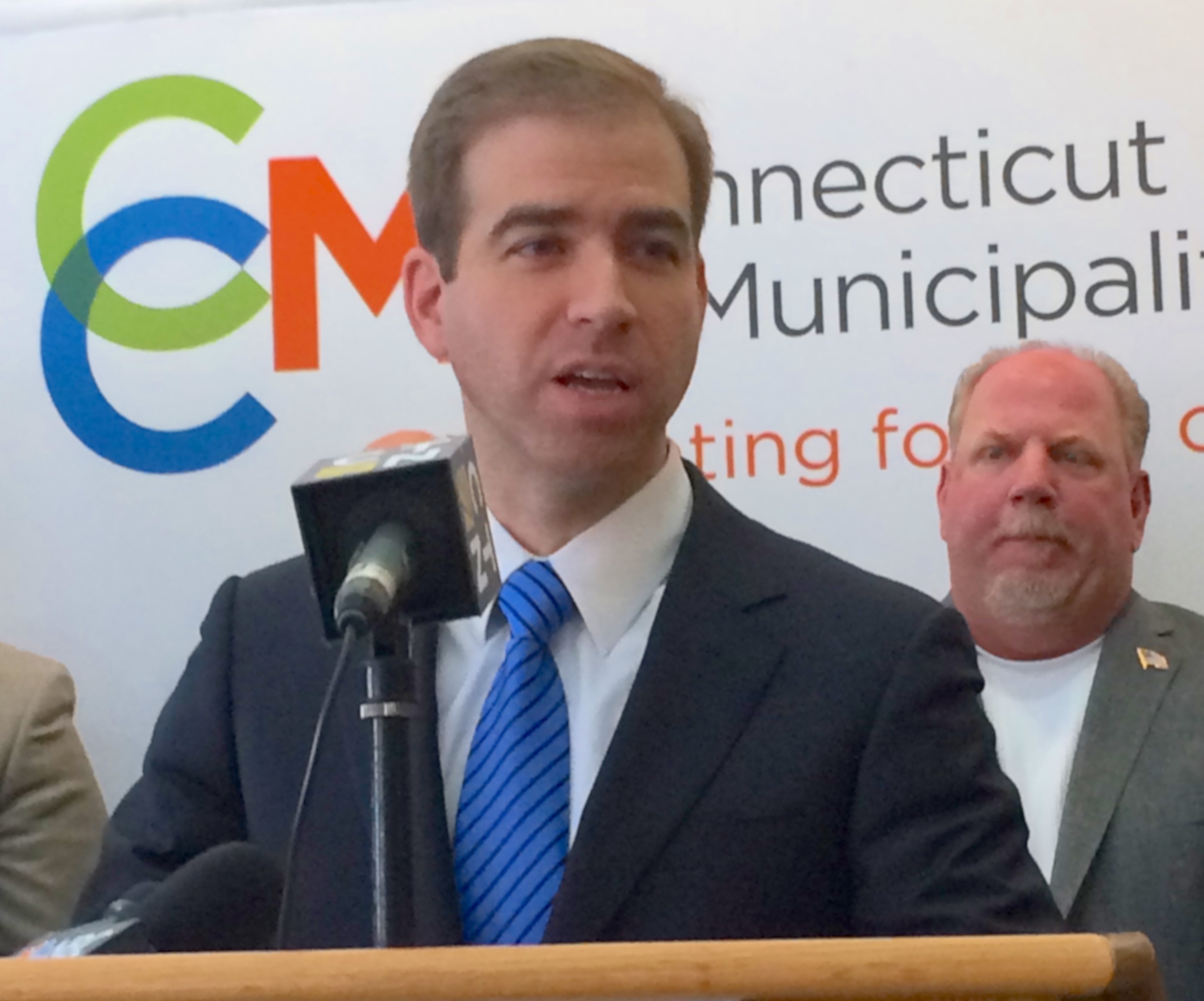
Gov. Dannel P. Malloy unveiled a plan Tuesday to ease municipal mandates, including tighter wage standards on construction projects and greater flexibility in property assessments.
Posted inCities & Towns, Education, Money
CCM: Pair sales tax hike, bargaining changes to bolster cities, towns
Connecticut’s cities and towns unveiled a sweeping financial plan Wednesday that included a major sales tax boost to aid communities, new regionalization incentives and collective bargaining changes. The bargaining changes would be designed to ensure new revenue for towns would not be used to boost wages and benefits for municipal workers.

Posted inCities & Towns
Little Derby has a big plan
In 2003 the city demolished a row of 19th century brick buildings along Main Street to make way for a major development that never happened, leaving a vacant 19-acre site with little more than a rusting grain elevator. Now city officials hope to create a new neighborhood “that will put Derby on the map.”

Posted inCities & Towns, Energy & Environment, Transportation
Movement to complete state’s trails gaining momentum
For more than two decades, most of the new multi-use trails built in the state were almost entirely the work of local volunteers. In the past five years, however, Gov. Dannel P. Malloy and his transportation commissioner, James Redeker, have turned that narrative on its head. The state is now including non-motorized trails in its planning efforts and making major investments in them.

Posted inCities & Towns
Bottling plant a wake-up call on state water
For decades, Connecticut residents have taken water for granted. But approval of a water bottling plant in Bloomfield, the coming of the state’s worst drought since the 1960s, and several other water controversies in recent years have put the spotlight on both the state’s lack of an overall water plan and questions about the transparency and accountability of the Metropolitan District Commission, the Hartford region’s big water and sewer agency.

Posted inCities & Towns, Education, Money
Connecticut has baby bust, slow growth and aging population

WASHINGTON — Connecticut women are having fewer children than those in most other states, its population continues to age and growth is lagging. The census bureau said that in 2015 Connecticut women ranked 49th among the states as far fertility. The census also determined that Connecticut is one of the slowest-growing states.
Posted inCities & Towns, Money
CT’s median income grows slowly; 40% of millennials live with parents


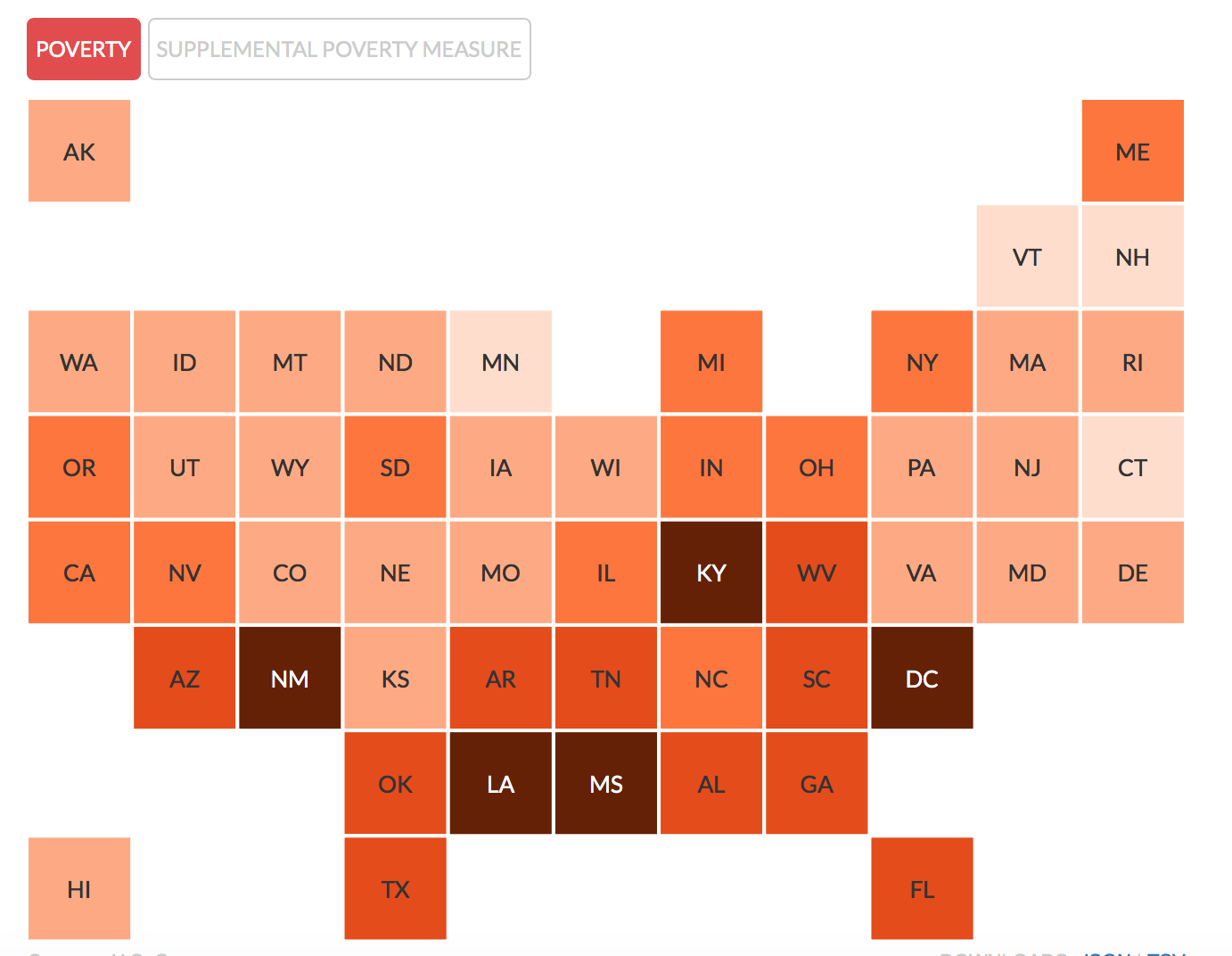
Connecticut has among the lowest poverty rates in the country and its median income is rising, though at a slower rate than in all but four other states, new data from the U.S. Census showed Thursday. Meanwhile, the data showed that more than 40 percent of Connecticut’s 18- to 34-year-olds still live with their parents.
Posted inCities & Towns, Money
Census: U.S. middle-class incomes rise; poverty, uninsured rates fall
Median household income increased 5.2 percent between 2014 and 2015 while the percentages of those in poverty and those without health insurance declined across the country, the U.S. Census Bureau reported Tuesday.
Posted inCities & Towns
Which CT neighborhoods have the highest risk of lead poisoning?
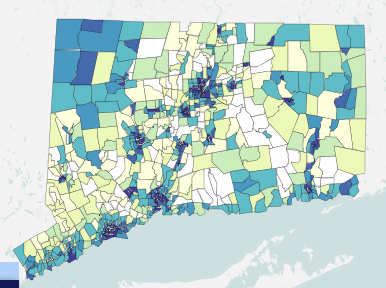
According to researchers, the risk of lead exposure in a neighborhood is linked to its poverty level and how old its homes are.

Posted inCities & Towns
Census: Only one Connecticut county grew in population last year
Fairfield County’s population rose 0.2 percent between July of 2014 and July of 2015, according to estimates the U.S. Census Bureau released Thursday.