



As legislative leaders debate when to re-open the State Capitol building to the public, the General Assembly, as a whole, must do a better job allowing for public participation. There are several reforms which can dramatically improve civic engagement and increase transparency, accountability, and competition coming out of the last year of coronavirus.
A modern and open government, for the people

Posted inCT Viewpoints
Is legal marijuana’s effect on society’s health worth the boost in revenue?
Fred Carstensen’s article analyzing the revenue prospects of legalized recreational marijuana on the future of Connecticut’s economic recovery, to be fair, should also analyze the socioeconomic costs involved with its passage to present an accurate picture of the overall fiscal impact on the economy.

Posted inPolitics
A partisan divide over a Connecticut voters’ rights act

Democrats endorsed bills that would create a state voting rights act and increase voter registration and ballot access.

Posted inHealth
Nearly three quarters of eligible CT residents expected to be vaccinated by end of April

Since Thursday, 50,000 residents age 16 to 44 – the newest group granted access – received a first dose of the vaccine.

Posted inHousing
The pandemic’s effect on the housing market helped some — but others are left behind.


Across Connecticut, lower-income families are facing more housing challenges. Federal aid might help, but the problems have deep roots.

Posted inCT Viewpoints
Rebuttal: Zoning reform is long overdue

In a March 24 opinion piece titled A plea for a hold on zoning reform, author Alexis Harrison of Fairfield attacked H.B. 6107 and (without naming it) S.B. 1024. As a fellow Fairfield County resident (from the neighboring town of Trumbull) who thinks zoning reform is one key to building a more prosperous and inclusive Connecticut, I’d like to counter its claims and make an argument of my own.

Posted inCT Viewpoints, Talking Transportation
A conversation with Transportation Commissioner Joe Giulietti

Joe Giulietti loves to talk, especially about trains. As Commissioner of the Connecticut Department of Transportation when he calls me and says “Jim… let’s have a chat,” I’m all ears. In a recent exclusive one-on-one, here’s what he said:
Posted inCT Viewpoints
Physician-aided death is not healthcare
We just passed the year mark of the COVID-19 pandemic. Healthcare workers have been saving lives and comforting the dying one breathing tube at a time. We have been working double and triple shifts, we’ve cried as we have lost patients and comforted families, and we have been called heroes. And now, for some reason, legislation to enact physician-assisted death is up for discussion: H.B. No. 6425, An Act Concerning Aid In Dying For Terminally Ill Patients.
Posted inCT Viewpoints
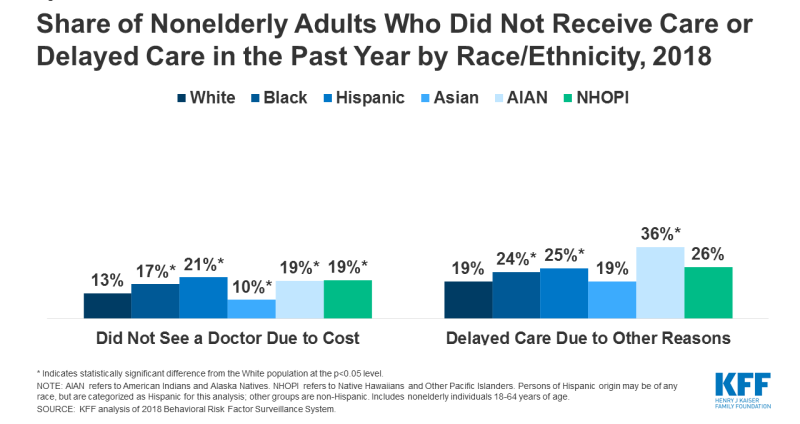
Why we have to target racism to improve health outcomes
The COVID-19 pandemic affects us all, but it has taken an especially severe toll on Black and Hispanic state residents, magnifying inequities that have long produced worse health outcomes for people of color.
Posted inNews
‘No good choices:’ HHS is cutting safety corners to move migrant kids out of overcrowded facilities
As of March 30, over 5,000 children were being held in U.S. Border Patrol custody.

Posted inHealth
With demand for community health workers rising, so does need for sustainable funding
New Haven Community Health Worker (CHW) Katia Astudillo helps dozens of her clients navigate the logistics of getting vaccinated and connects them with other health services. She even helps them find rental assistance. In and around New London, CHW Lizbeth Polo-Smith hands out flyers about COVID-19 safety and vaccinations at churches, laundromats, stores, warming centers […]

Posted inInvestigations
Gov. Ned Lamont says Connecticut’s age-based COVID vaccine rollout is saving more lives — But is it?
The unsatisfying answer is that the data are limited in what they can show, particularly now.

Posted inMoney
Is regionalization the key to capping property tax hikes? This state representative thinks so

Could state incentive payments get towns to regionalize services and support a cap on property taxes?

Posted inCT Viewpoints
Connecticut infrastructure solutions require private sector help
Like many states, Connecticut faces numerous infrastructure problems, largely resulting from a lack of long-term provision for repair and maintenance costs. Much of the country’s infrastructure was built with design-bid-build contracts focused on the cheapest way to build projects, making long-term management more difficult and costly, leading to the “crumbling” conditions seen throughout the country.
Posted inCT Viewpoints
Let’s work toward oral health equity
Almost half of all low-income and non-Hispanic Black adults have tooth decay that has gone without treatment. Too many families either don’t have coverage or can’t afford to pay for dental care because it takes money away from everyday survival. These social determinants are very real for the nearly 60 million Americans who don’t have access to dental care.