
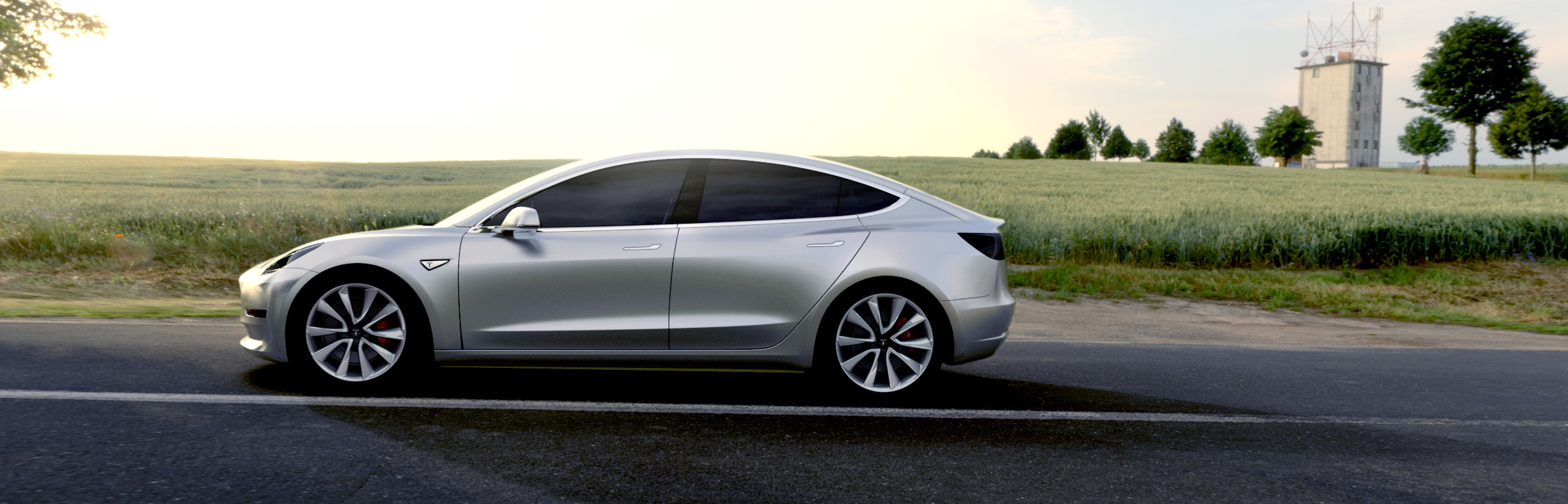

Automobile accidents are fourth leading cause of death in the world. If these new technologies save a single injury or death, I say bring it on. I will gladly get ready for the future knowing that we will need to adapt to thrive and survive. But not everyone in our state is ready to embrace change. For those of you who may not have been paying close attention, Tesla – the electric car manufacturer that has been leading the charge against climate change – is trying now for the fourth year to gain the ability to sell its vehicles and other products here in Connecticut.
Transportation
Posted inHealth, News, Politics
Massive spending plan boosts defense, includes Murphy’s gun bill

Updated at 10:48 p.m.
WASHINGTON — Congress late Wednesday reached final agreement on a massive spending bill that will boost spending on both defense and domestic programs and also make a number of policy changes, including some to federal gun laws. But the nation’s “Dreamers” are among the losers.
Posted inCT Viewpoints, Talking Transportation
Get back on the bus, Gus

Though maybe not the most glamorous means of mass transit, Connecticut’s 12,000+ local and commuter buses form a vital link in our transportation network. “We’re not just a service for the needy few,” says Greater Bridgeport Transit’s CEO Doug Holcomb, the feisty young leader of one of the state’s largest and most successful bus systems. In other words, single-occupancy car drivers’ perceptions notwithstanding, it’s not just poor folks and the car-less who must rely on the bus. According to Holcomb, 90 percent of GBT’s ridership is either going to school or work. Like rail commuters, some bus passengers own cars but prefer to take the bus for any number of reasons.
Posted inCT Viewpoints, Talking Transportation
Who speaks for commuters?
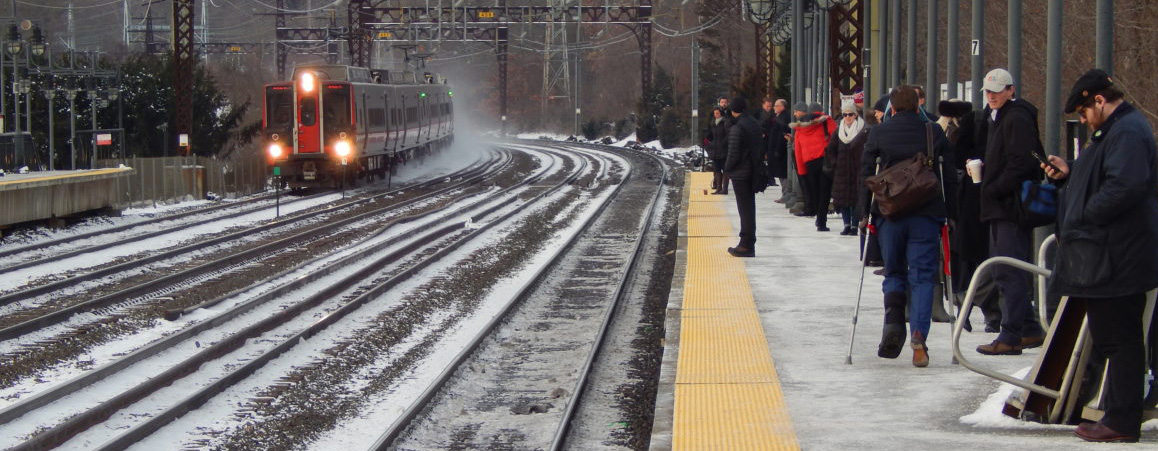
“Commuting on Metro-North is like getting hit with a two-by-four. Service is getting worse and now you’re hitting us with a 10% fare hike.”
Those comments came from Jeffrey Maron, Vice-Chairman of the official Connecticut Commuter Rail Council (CCCR), a usually mild mannered, two-compliments-before-any-complaint kind of guy. (Maron and I both served on the predecessor Metro-North Commuter Council).

Posted inCT Viewpoints, Talking Transportation
Is zone pricing on gasoline fair?
Why does gasoline cost 52 cents a gallon more in Greenwich than Bridgeport? Is it because folks in Greenwich are richer and can afford it? Or is it because it costs gasoline station owners more to operate in that tony ZIP code? While both factors are probably true, the reason gasoline costs more in some towns than in others is because of something called “zone pricing,” an industry practice that does all but set the price for the commodity that is charged by distributors and passed along to their customers.
Posted inMoney, Transportation
CT DOT pitches ‘astounding,’ cheaper plan to break I-95 gridlock

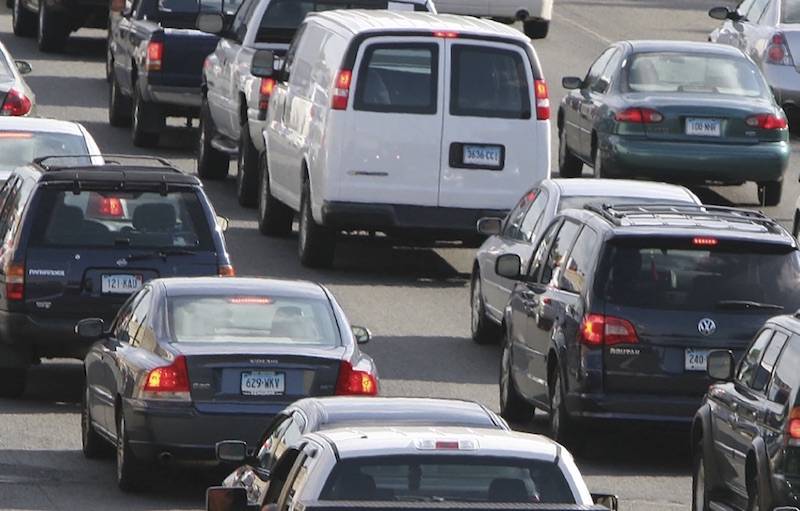
Connecticut could implement a “strategic and incremental” widening of Interstate 95 to relieve congestion along the state’s shoreline without having to take huge swaths of private property by eminent domain, a game-changer for breaking gridlock in Fairfield County, Gov. Dannel P. Malloy said Thursday.
Posted inCT Viewpoints, Talking Transportation
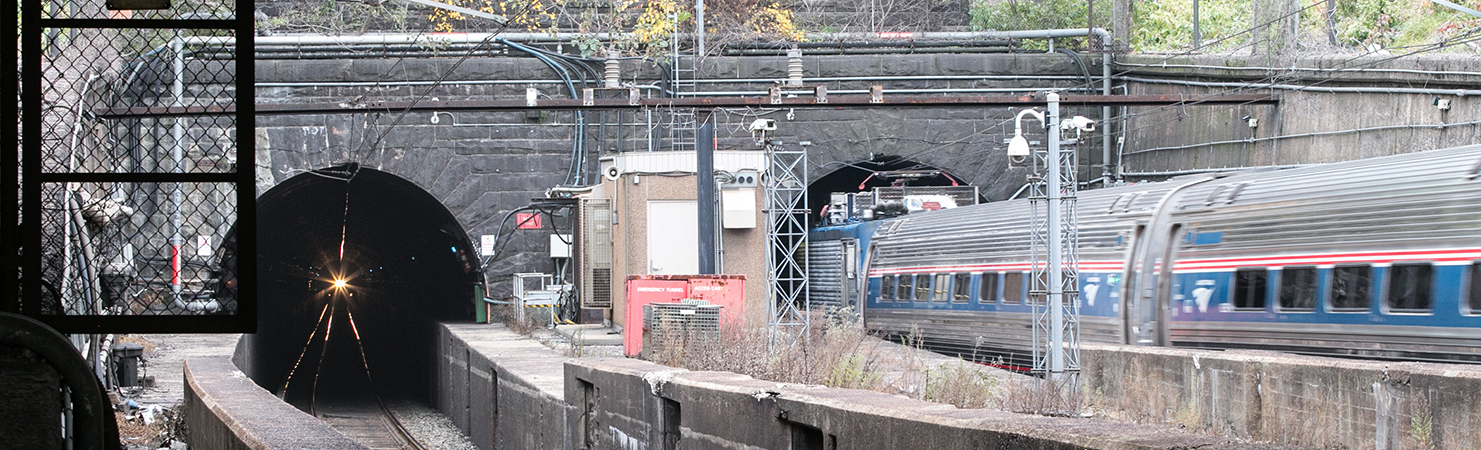
The Hudson River tunnels should have been done by now
It should have been done by now. 2018 was the expected completion date of the new railroad tunnels under the Hudson River first proposed in 2009. At the time the $9 billion project was the biggest infrastructure project in the country. Now it’s just a footnote to history. Why do rail tunnels from New York’s Penn Station to New Jersey matter to us here in Connecticut? Because they are the weakest but most crucial link in the northeast corridor, the $50 billion heart of the US economy. Imagine trying to get to Philadelphia or Washington without Amtrak running through our state, into those tunnels and to points south.
Posted inHealth
Call-wait times for medical transport better but complaints persist

After having experienced some hours-long wait times, Medicaid patients haven’t had to wait longer than 15 minutes for someone to pick up the phone when calling about medical transportation in the last two weeks, according to Josh Komenda, president of Veyo, the state’s new non-emergency medical transportation contractor. But that figure was immediately challenged.
Posted inCT Viewpoints
Repay the diverted transportation funds before raising fares and taxes
Response to Jim Cameron: Jim, as a person who really does know the truth, it would benefit us all for you to tell the whole truth, so we can really learn from the past and fix the problem. Past administrations on both sides of the aisle have raided the Special Transportation Fund to the tune of $1.5 billion and counting as raids continue today. If you really want our roads and bridges fixed, first we must stop the raiding.
Posted inCT Viewpoints
Infrastructure needs are obvious; funding for them not so much
Once again Connecticut legislators are scouring every crevice for new sources to cover our over-budgeted projects. Monday multiple House Democrats yet again purpose the installation of tolls. State rep. Tony Guerrera , House chair of the legislature’s Transportation Committee, states “I promise you if we do this, this state will thrive.”
Posted inCT Viewpoints
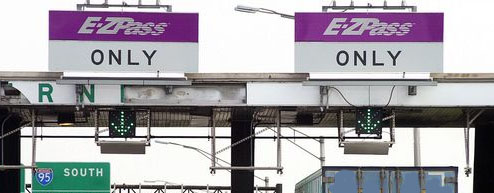
Tolls: A slap in face to taxpayers, motorists whose funds were diverted

Recent reports of Gov. Dannel Malloy’s desire to erect electronic tolling on select state roads is a slap in the face to those who pay taxes in Connecticut and purchase gasoline or diesel fuel for use in their vehicles and equipment. For decades, funds that were legislated to be collected for transportation development and maintenance have been diverted to the General Fund to be used for non-transportation purposes.
Posted inCT Viewpoints, Talking Transportation
A transportation funding crisis years in the making
Fare hikes, rail service cuts and a freeze on transportation projects. As he promised in December, Gov. Dannel Malloy announced them all last month. Rail commuters and highway drivers are justifiably outraged, but they should direct their anger not at the Governor or Connecticut Department of Transportation but at the legislature.

Posted inCT Viewpoints
A disappearing act: Connecticut’s transportation funding
In news that shouldn’t surprise anybody, Hartford politicians and bureaucrats have spent this past month declaring the state “desperately” needs more money. By now, Connecticut residents attuned to this rhetoric realize that “new revenue sources” just means “more taxes.” The proposed remedy in this case: tolls. DOT Commissioner James Redeker recently toured the state proclaiming that the Special Transportation Fund (STF), money that is funded by one of the highest gas taxes in the country and purportedly reserved solely for transportation, is out of money and only tolls can save it.
Posted inNews
Malloy seeks tolls, gas-tax hike to rebuild transportation network
Connecticut roads, bridges and rail lines are falling into disrepair, the governor said. “And we have failed to build that world-class transportation system that has been built and is in the process of being built in the states around us.”
Posted inMoney, Transportation
Rojas to propose 4-cent hike in CT gasoline tax
Unless some action is taken during the regular 2018 session — which begins Feb. 7 — the House chairman of the General Assembly’s tax-writing panel said he’s convinced capital projects will stall, rail and bus fares will rise, and key transit services will be canceled.