


The research shows that while students of all races are more likely to get arrested at a school with a resource officer, Latinos are particularly impacted.
Connecticut Voices for Children
Posted inMoney
Advocates warn fiscal caps could tighten on social services, local aid

Social services advocates warned Thursday that a series of new caps in the state budget could dramatically drain resources away from municipalities, education and services for children over the next decade.

Posted inEducation
School funding reform: Ideas and challenges aplenty

With the governor set to lay out his proposals for education aid this week, numerous advocacy groups, rank-and-file legislators and a group suing the state over school funding have been pitching changes they would like to see. The bulk of the ideas are not new – but most would be controversial or expensive.

Posted inMoney
Children’s group says tax hikes must be part of CT budget fix
A progressive children’s advocacy group has issued the first call for a major tax increase to help solve the state’s latest budget crisis, outlining more than $3 billion in revenue-raising options.
Posted inMoney
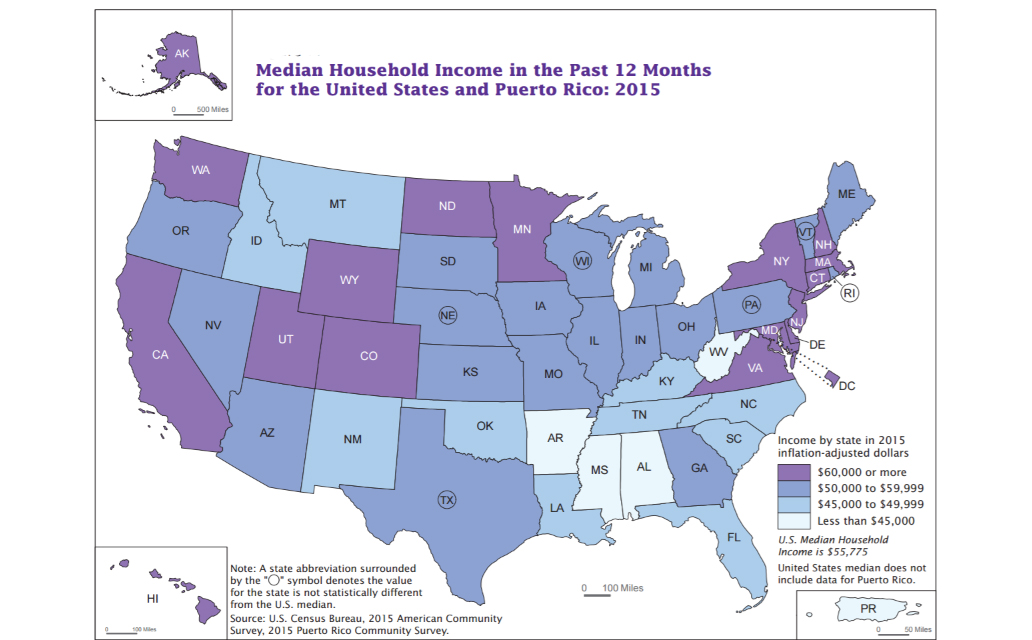
Nation’s income gains strong, but Connecticut’s lag far behind

WASHINGTON – The U.S. Census Bureau’s good news that median income rose significantly in the United States last year wasn’t as cheerful for Connecticut. The state was among a dozen with the smallest rate of household median income growth in the nation, which had a robust increase of 5.2 percent. And not everybody benefited from Connecticut’s modest 1.8 percent income growth.
Posted inMoney
Report: CT is too reliant on low-wage jobs
Slow wage growth, an increasing reliance on low-wage jobs, and “persistently high unemployment” among minorities and workers without a college degree are threatening Connecticut’s long-term well-being, according to the annual Labor Day report from Connecticut Voices for Children.
Posted inCT Viewpoints
Governor puts low-income families at risk of losing health coverage

Long before enactment of the Affordable Care Act in 2010, Connecticut invested in the health of its children and their parents by aligning income eligibility for everyone in a family. This policy was based on knowing that when whole families are insured, children’s access to care improves and parents stay healthy for work and family responsibilities. Just last month, Connecticut’s Gov. Dannel Malloy extolled the quality improvements and cost savings realized through innovative changes to the HUSKY program. Some of this progress will be undone if the Connecticut General Assembly goes along with the governor’s April budget proposal to reduce income eligibility for almost 10,000 low-income parents.
Posted inMoney, Politics
After a few dodges, Malloy administration vows not to seek tax hikes

Updated at 2:12 p.m.
After some initial coyness about the state budget revisions Gov. Dannel P. Malloy must submit to legislators next week, the administration confirmed Tuesday afternoon it would neither propose nor support tax hikes.
Posted inCT Viewpoints
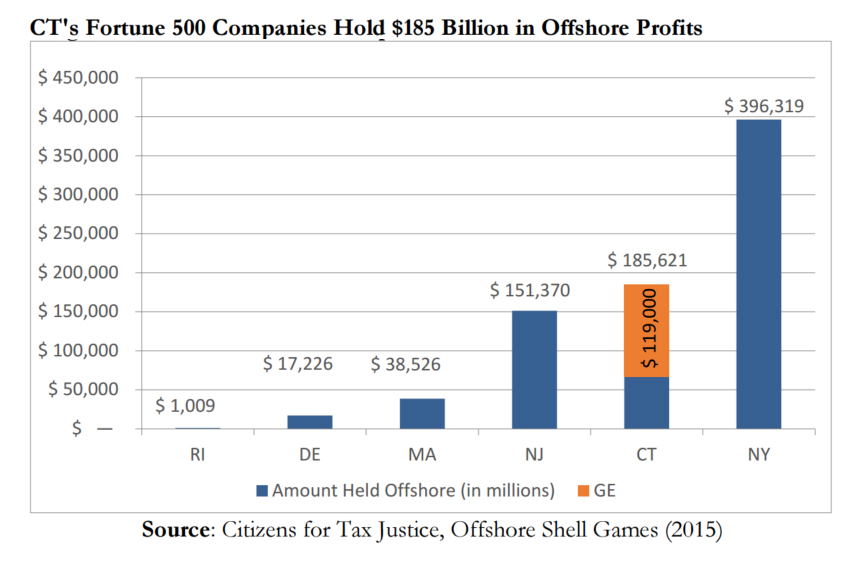
Combined reporting in Connecticut: Fair taxation for shared prosperity
After a decade of serious discussion, the Connecticut General Assembly wisely conformed our state’s corporate income tax policy to that of 24 other states by adopting a common sense policy known as mandatory combined reporting. But some corporations that exploit its absence to avoid paying their fair share are making a last-ditch effort to persuade policymakers to reverse the decision. That would be a mistake.

Posted inCT Viewpoints
SBAC test scores raise questions about equity in schools
The release of the state’s Smarter Balanced (SBAC) test scores sparked a new version of an old conversation. The SBAC scores reveal much of what we already know about public education in Connecticut: children living in high-income and high-resource communities posted above average scores while children living in our poorest towns and cities posted lower scores. Understanding these scores can help districts identify schools and students who may need greater support to meet rigorous standards; at the same time, the scores raise questions about the equity of intrastate resource distribution and the impact on relative student opportunity.
Posted inEducation
DCF commissioner tells legislators: Don’t close juvenile jails
Under fire over questions about how youths are treated while incarcerated — and facing calls from advocates to close the state’s juvenile jails in Middletown — Department of Children and Families Commissioner Wednesday reaffirmed her commitment to keeping the locked facilities she runs open.
Posted inMoney, Politics
CT spending cap is unique and, some critics say, among the toughest
Like about half of the states in the nation, Connecticut has imposed a cap on the amount of money the state government can spend. But each state has approached the problem of controlling the spending habits of its governors and legislature differently, and Connecticut’s spending cap is unique in a number of ways.

Posted inMoney, Politics
Barnes tells advocates for poor, kids: Brace for lean budget
Benjamin Barnes, Gov. Dannel P. Malloy’s budget director, warned advocates for children, the poor and other disadvantage citizens to brace for lean funding when the administration releases its next budget in two weeks.
Posted inEducation
New caseworkers expected to ease load on overworked DCF staff
Caseworkers for the Department of Children and Families have unreasonably high workloads and are looking for relief, which may come from the 81 new staff members stepping into their ranks, the department’s court-appointed overseer says.
Posted inCT Viewpoints
Op-Ed: CHEER an important step… but Connecticut can do better
The Department of Children and Families’ new CHEER program is an important positive step toward improving outcomes for young people who would otherwise age out of the Connecticut foster care system. But the state can do better.