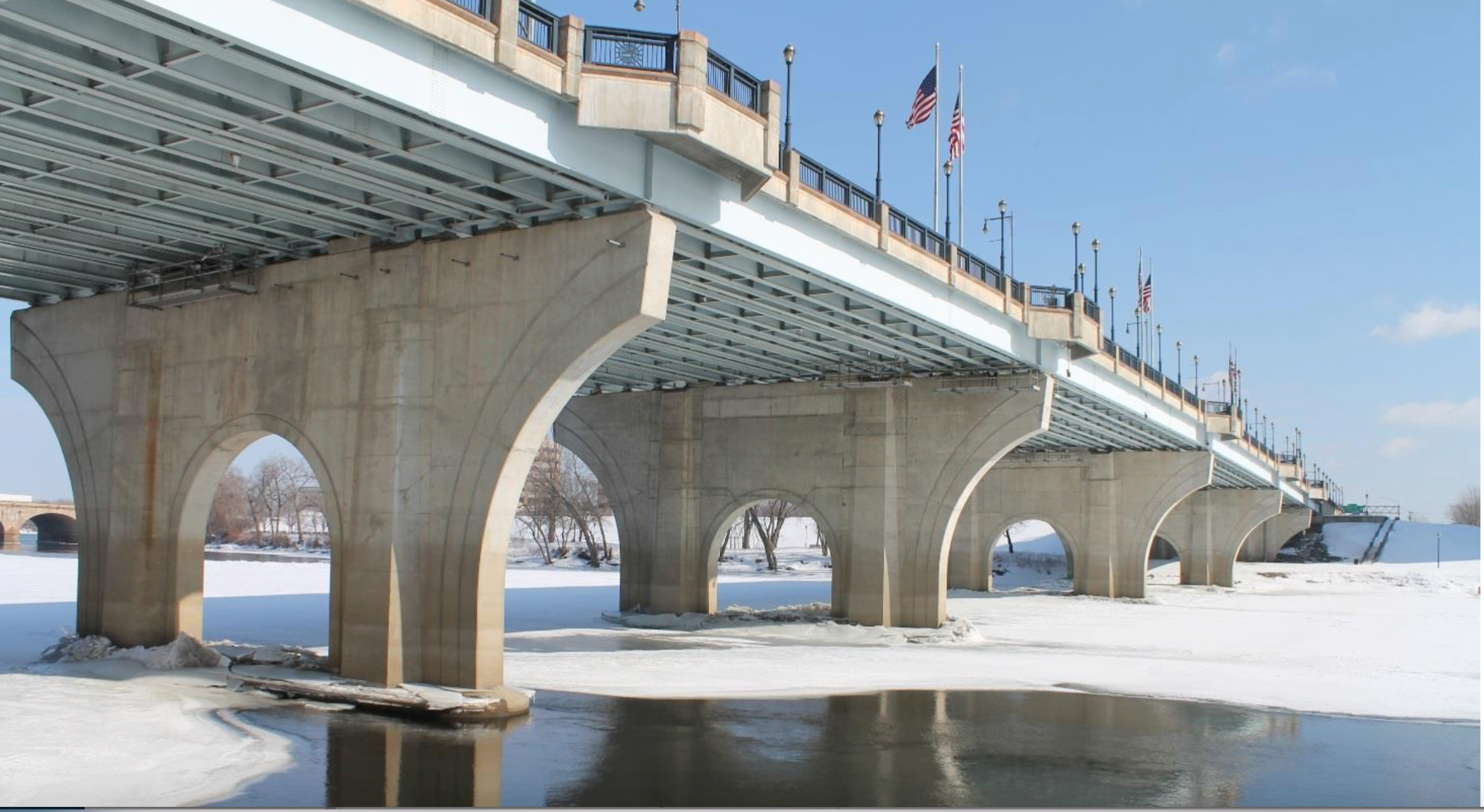

Connecticut is ranked 26th in the nation in the percentage of structurally deficient bridges. The bridge in the worst condition is the Yankee Doodle Bridge in Norwalk, which was built in 1957.
Transportation

Posted inMoney
So you think you know about transportation and tolls?

Tolls, gas taxes, highways, bridges and rail lines are in the news. How much do you know about them?
Posted inNews
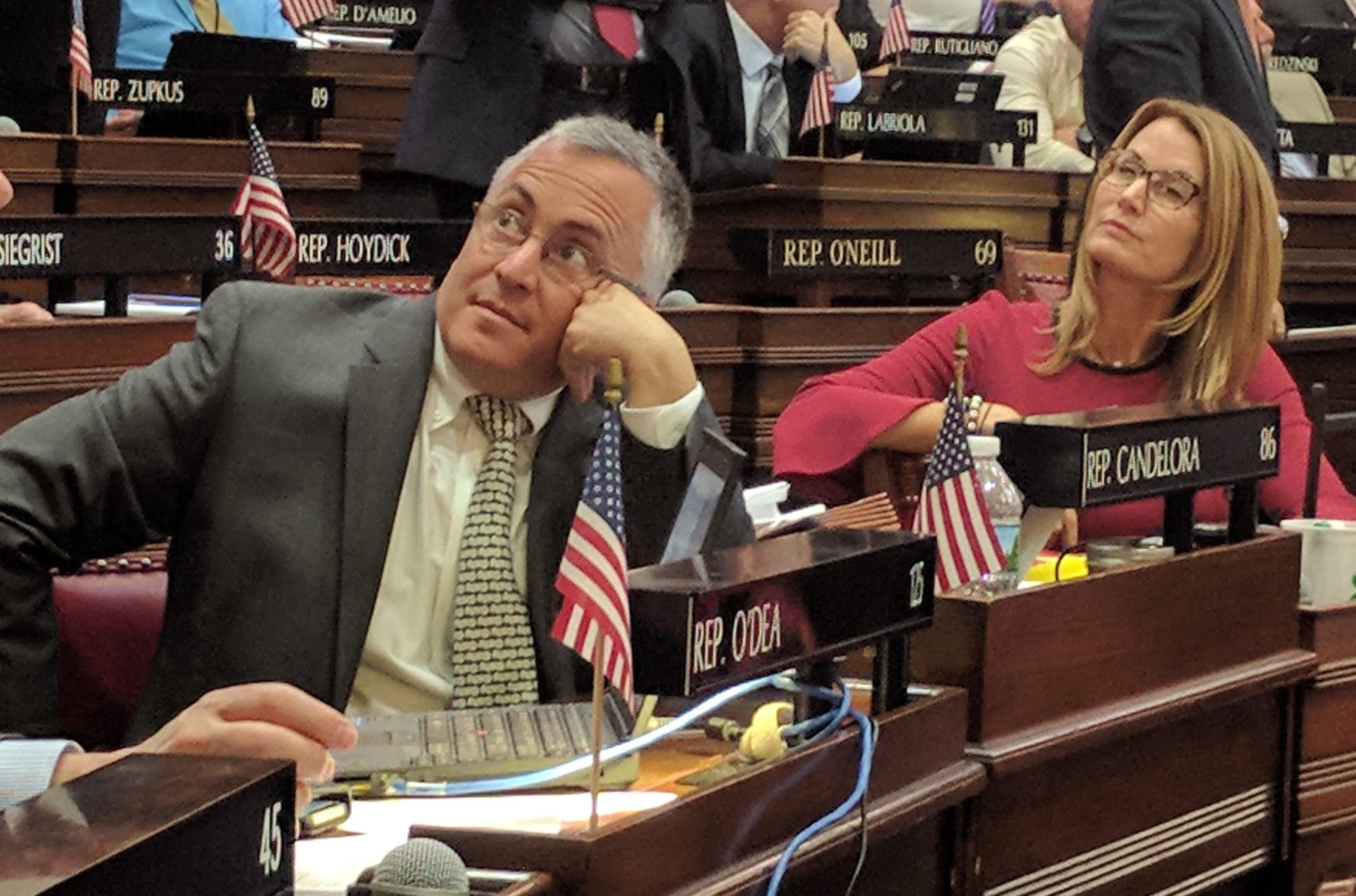
Candelora, Looney differ on validity of tolls vote

Like an NFL referee, Rep. Vincent J. Candelora, R-North Branford, is throwing a flag, saying that Democrats committed the legislative equivalent of having too many players on the field.

Posted inEnergy & Environment
Future of the gas tax? Running on empty.

The gas tax is at the core of the tolls debate. Climate change is at the core of the gas tax. But switching to electric vehicles will mean less gas tax revenue.
Posted inPolitics
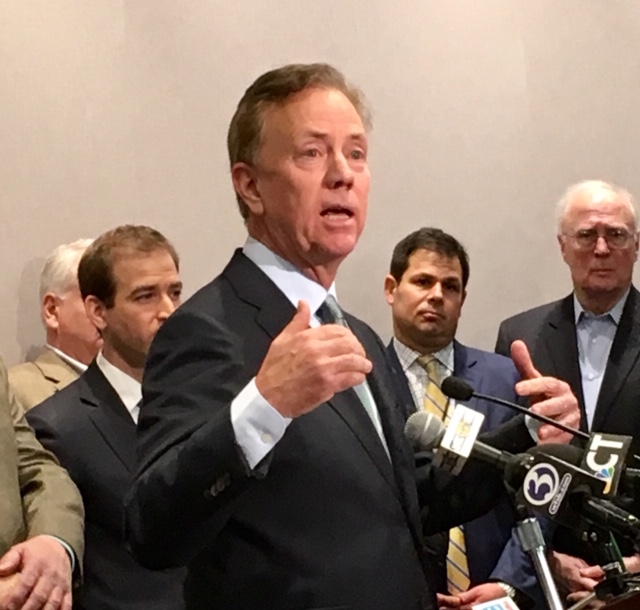
Some details on tolls, but little common ground
The tolls proposal instantly divided the legislature along partisan lines three weeks ago and became an early wedge issue in the 2020 elections.

Posted inPolitics
Lamont goes corporate with DMV choice: Bongi Magubane
The appointment reflects several goals: Attracting private-sector information-technology talent, creating a customer-friendly culture, and building a racially diverse senior team.
Posted inMoney
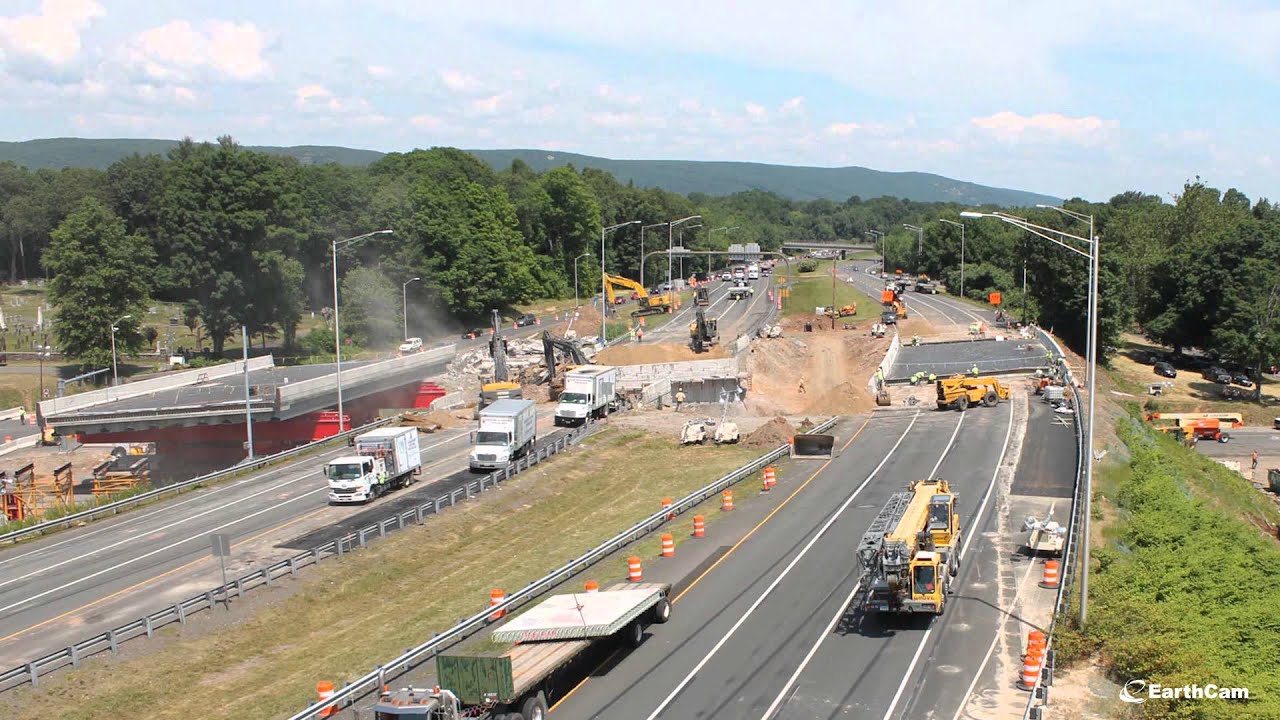
DOT wary Lamont’s transportation plan is too lean
Gov. Ned Lamont hasn’t said which planned highway, bridge or rail projects can’t begin over the next four years under his budget proposal — and transportation officials already have expressed their concerns.
Posted inMoney
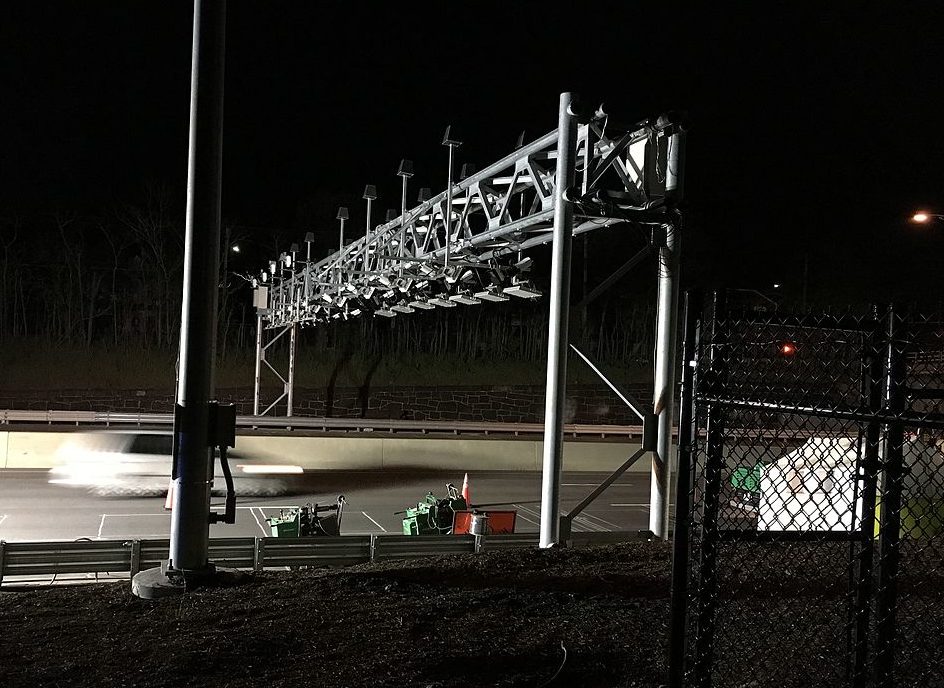
Lamont budget takes the first step toward tolls
Gov. Ned Lamont used his first budget Wednesday to lay the groundwork for the restoration of tolls to Connecticut highways.
Posted inMoney
Will Lamont keep transportation system afloat until toll receipts arrive?
Timing is everything. The governor wants to use tolls to raise hundreds of millions of dollars to rebuild Connecticut’s transportation infrastructure in a few years at the same time he plans to cut borrowing now.
Posted inPolitics
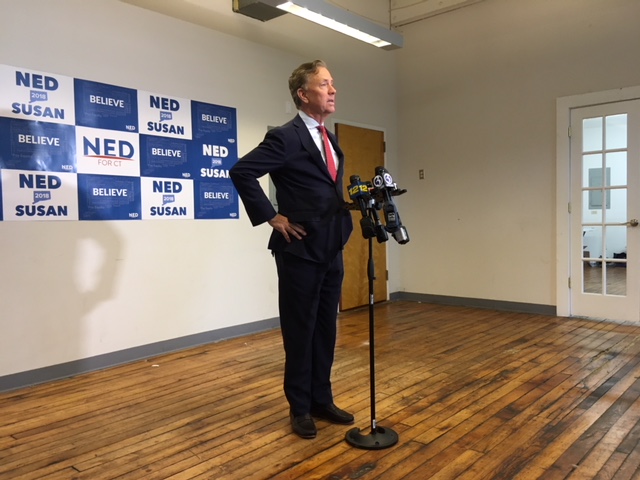
Lamont gives limited preview of his 2019 legislation
His proposals include extending the time between DMV license and registration renewals.
Posted inCT Viewpoints
Global warming vs. Northeast rail travel

What follows is a public apology. Not to you, dear reader, but to future generations: “To my grand children: I’m sorry we left you with this mess. We should have done more, when we still had time.”
Posted inCT Viewpoints
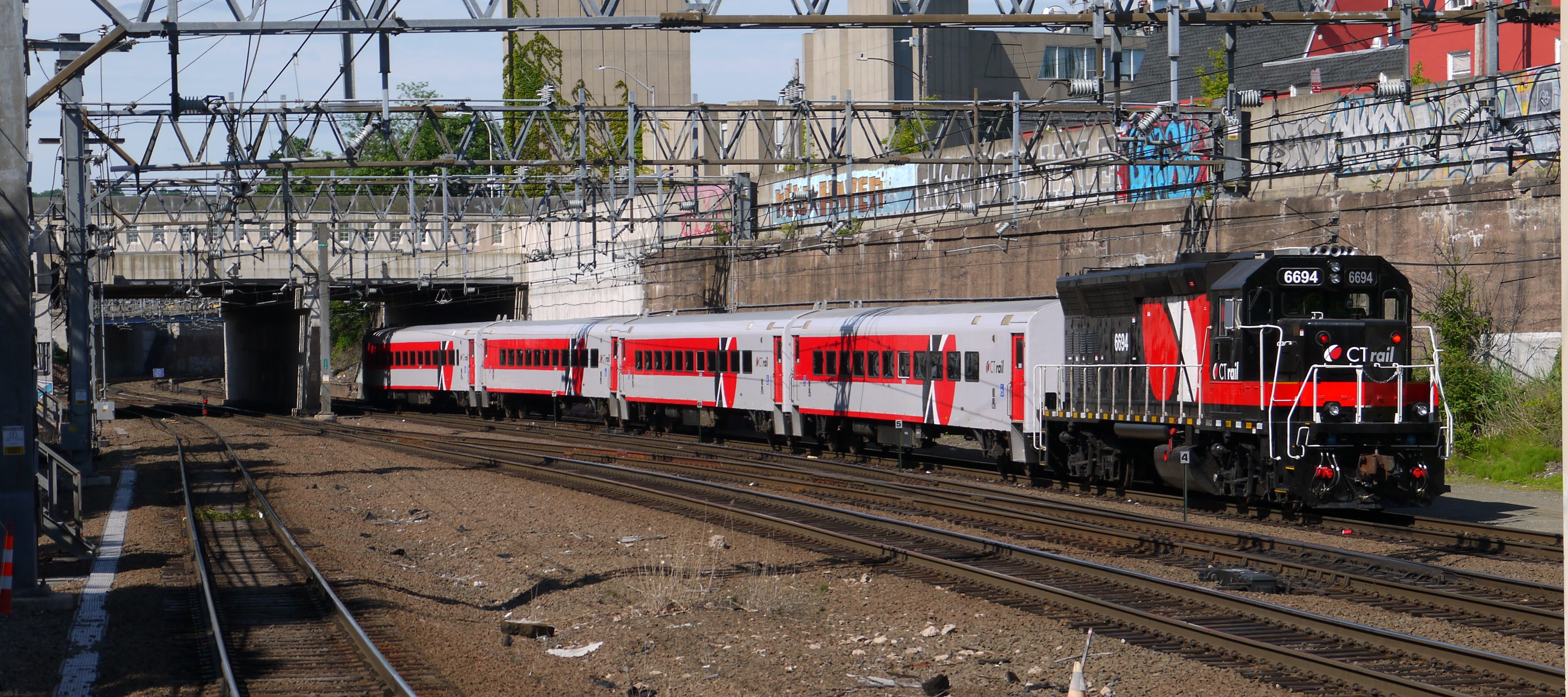
Connecticut rail policy: the next four years

Even with limited funding, Connecticut can do a lot to improve its rail infrastructure without spending too much money – and can adopt quite a few policies that will create some room for additional investments. To achieve this ConnDOT, Amtrak, and Metro-North will have to adopt some significant changes on how they run their railroads, build infrastructure, and purchase equipment.
Posted inCT Viewpoints, Talking Transportation
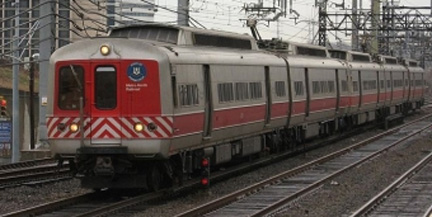
This commuter’s diary reveals Metro-North’s poor on-time performance
How bad has service gotten on Metro-North? Ask Chris Golier, a 40-something family-man from Fairfield who rides the train daily from Southport to Grand Central. “Commuting is a soul-sucking exercise,” he says. What used to be a 60-minute ride to and from NYC, now takes 75 minutes. And though slower than in years past, his trains are rarely on time… not the 88 percent on-time performance claimed by the railroad, but more like 37 percent.” How does he know? He kept a log.
Posted inCT Viewpoints
If Connecticut REALLY needs to raise a billion each year…

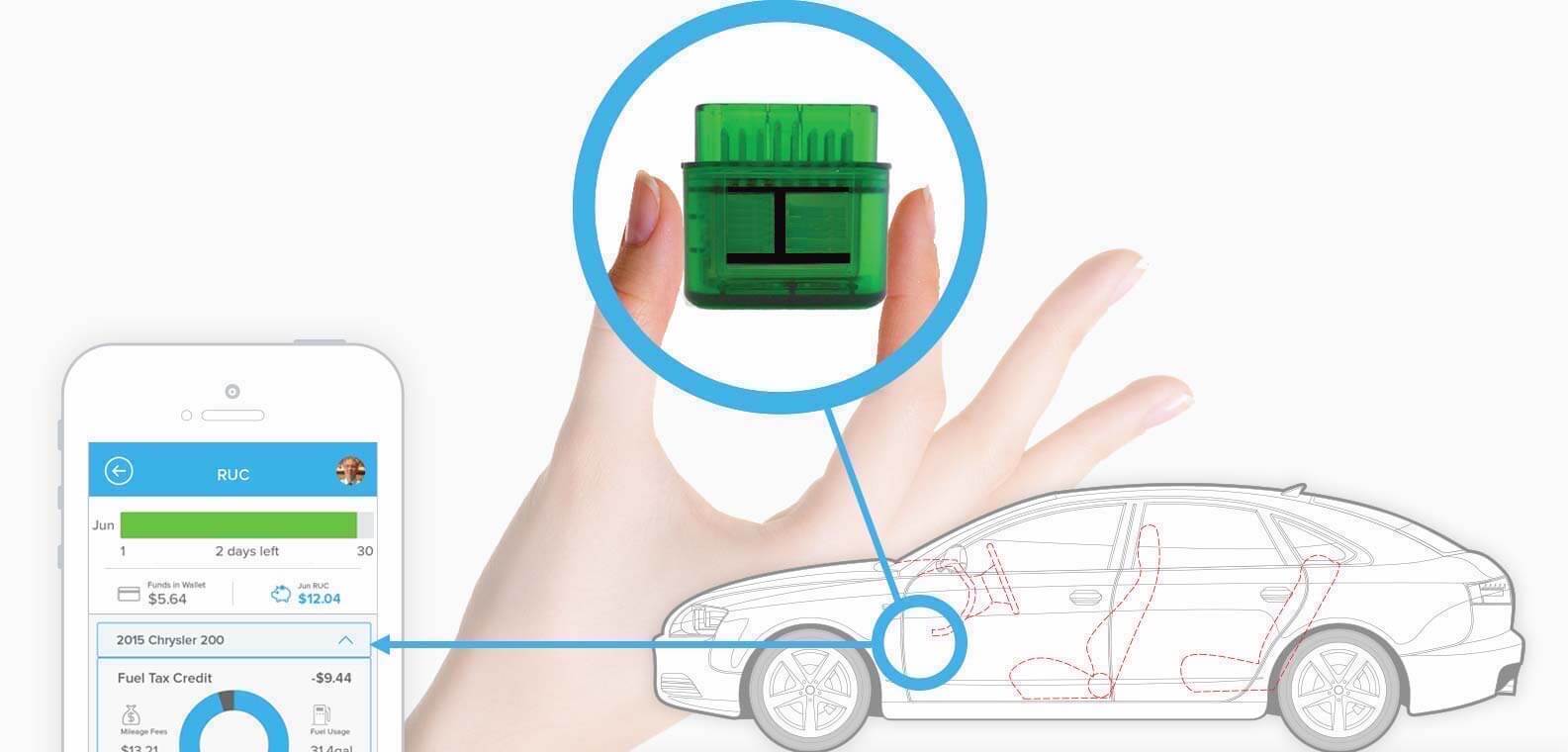
If Connecticut REALLY needs to raise a billion each year… don’t use traditional tolling. The easy way is low mileage-based use fees on all roads. This is tracked using satellite and/or cell-phone technology. On-board devices already in all cars built since 1998 can be programmed to record miles driven on Connecticut’s roads. ($30 transponders under the hood are a less-intrusive alternative). Out-of-state drivers are asked to pull over to a welcome station the first time they enter the state to buy a transponder. For drivers crossing our border on local roads, licensed roadside stores or gas stations can sell the transponders, the way lottery dealers do now.
Posted inCT Viewpoints, Talking Transportation
The trucker shortage
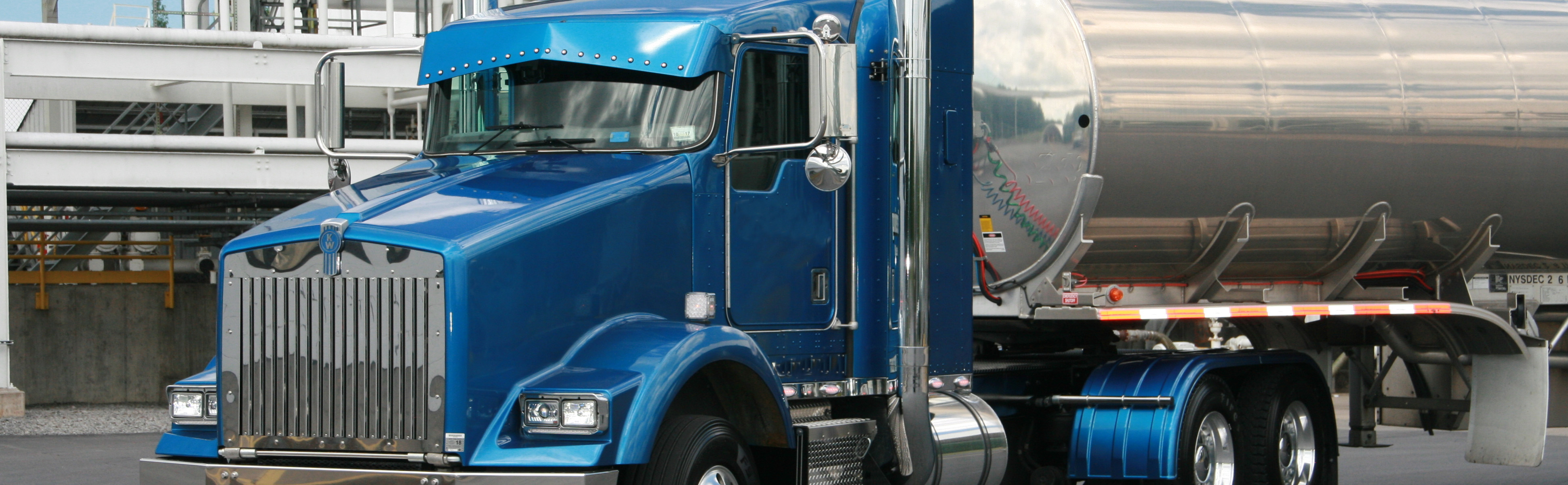
As if crumbling bridges and pot-holed highways weren’t enough to worry about, now America’s transportation network is facing a new crisis: a shortage of truck drivers. According to the American Trucking Association (ATA), trucks carry more than 70 percent of all domestic freight, bringing in $719 billion in revenue. It’s trucks, not trains, that deliver our Amazon purchases and fill the shelves of our favorite big box stores for the holidays. So while we hate to drive behind them on our highways, we love what trucks deliver.