

“The truth is that right now, San Bernardino, Sandy Hook, they have to be mass to get our attention,” Nelba Márquez-Greene said as she introduced a mental health conference held in honor of her daughter. “Kids suffer from violence, experiences, all kinds of losses, every day. And we’re missing that because maybe their specific tragedy doesn’t make it on the news.”
Health
Stories about health care access and affordability in CT, as well as abortion, COVID, health equity and disparities, health systems and social determinants of health.
Dive Deeper: Abortion · Access Health CT · COVID-19 · CT Rural Hospitals

Posted inHealth
Lembo helps Dems in D.C. sharpen attack on high drug costs

In testimony Wednesday, Connecticut Comptroller Kevin Lembo joined a growing Democratic attack on high drug prices, an issue expected to be at the center of many Democratic election campaigns next year.

Posted inHealth
To improve health, raise ‘insurance literacy,’ experts say
Studies show people would rather go to the gym or pay taxes than pick a health insurance plan. And experts say that’s a problem for policymakers trying to improve the health of the population and ensure that the expansion of insurance coverage under the federal health law does more than give a lot of people new insurance cards.

Posted inHealth
State approves Johnson Memorial Hospital sale
State regulators have approved plans for the parent company of St. Francis Hospital and Medical Center in Hartford to acquire the financially struggling Johnson Memorial Medical Center.

Posted inHealth, Money, Politics
Malloy: Time is running short to strike a budget deal

While legislative leaders were uncharacteristically coy following Monday’s budget negotiations, Gov. Dannel P. Malloy made it clear lawmakers are running out of time if they want to play a role in balancing state finances.

Posted inHealth
Unlike UnitedHealth, Aetna, Anthem say they will stay in ACA exchanges
WASHINGTON — UnitedHealth may quit the nation’s insurance exchanges, but Aetna and Anthem say they are staying and will work on problems with the marketplaces.

Posted inHealth
Public Health Commissioner Mullen leaving for federal post
Public Health Commissioner Dr. Jewel Mullen is leaving to take a senior post with the U.S. Department of Health and Human Services.

Posted inHealth, Money, Politics
Senate Dems break with House, go own way on deficit

Senate Democrats issued their own deficit-mitigation plan Thursday, pressing for a retirement incentive plan opposed by House Democrats and Gov. Dannel P. Malloy as damaging to the state’s overburdened pension system.

Posted inHealth
New Access Health customers skew younger, lower-income, so far
More than 5,400 new customers have bought private insurance through the state’s health insurance exchange since Nov. 1, a group that includes more young adults and more people who qualify for subsidized coverage compared to the current customer base.
Posted inHealth
DSS Commissioner Bremby a finalist for Kansas post
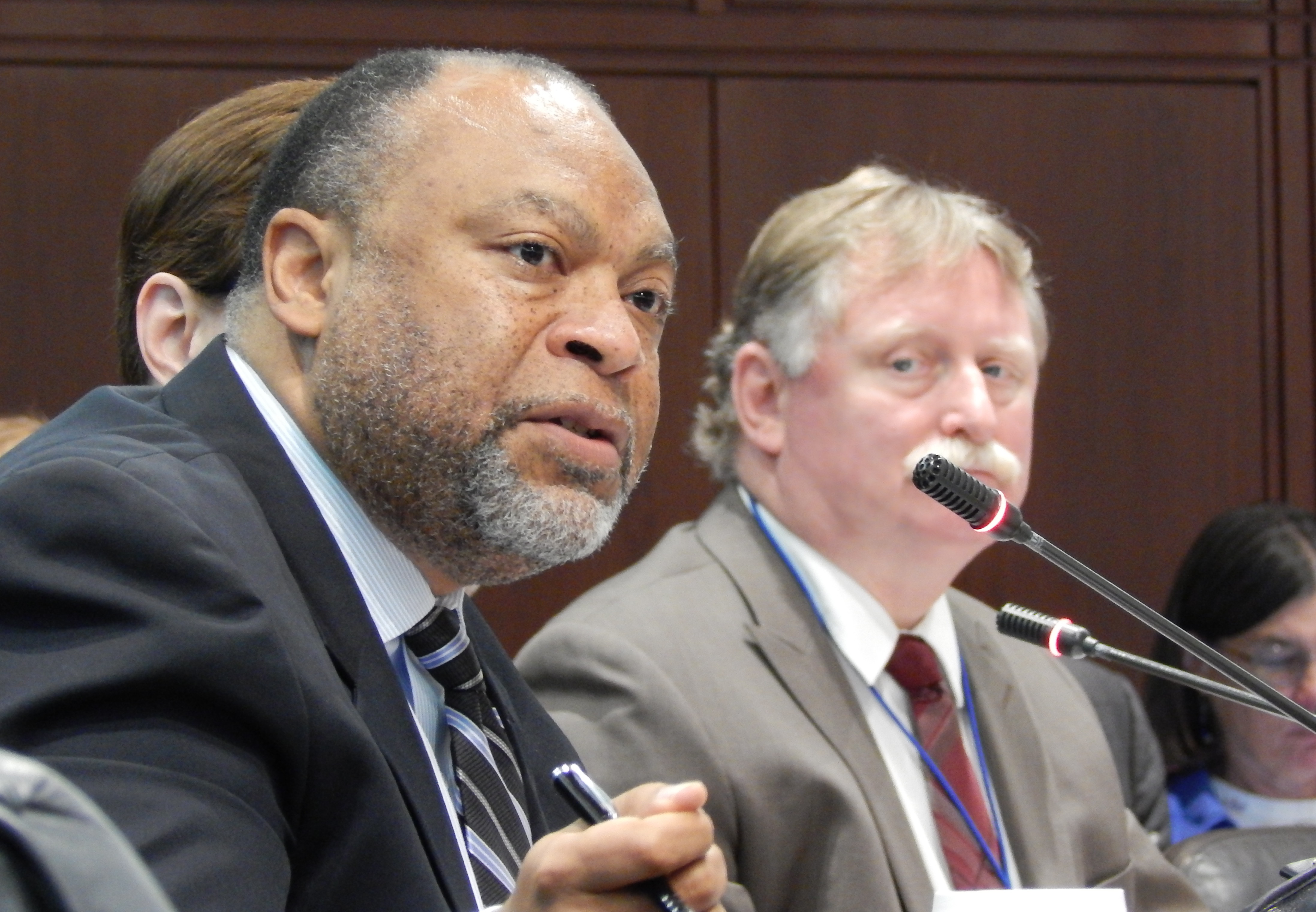
State Social Services Commissioner Roderick L. Bremby is one of three finalists to become city manager of Lawrence, Kansas, where he once served as assistant city manager.
Posted inHealth
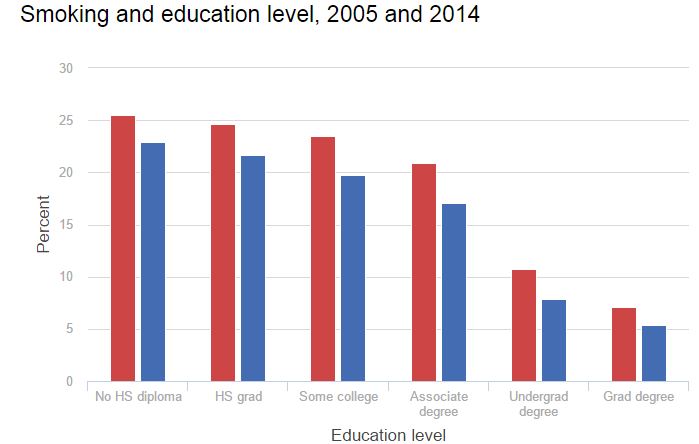
The story in charts: Who still smokes?
Smoking is down significantly across the country, and the rate is even lower in Connecticut. But the overall picture masks significant disparities in who the remaining smokers are.
Posted inEnergy & Environment, Health, Justice, Money, Politics, Transportation
Democrats: Suspend public financing of elections, cut transportation and local aid

The leaders of the legislature’s Democratic majority Monday recommended suspending the state’s public-financing of elections for 2016, cutting social services and retreating from two major initiatives on transportation and municipal aid.
Posted inHealth
CT’s insurance CO-OP sticking around, but still a work in progress
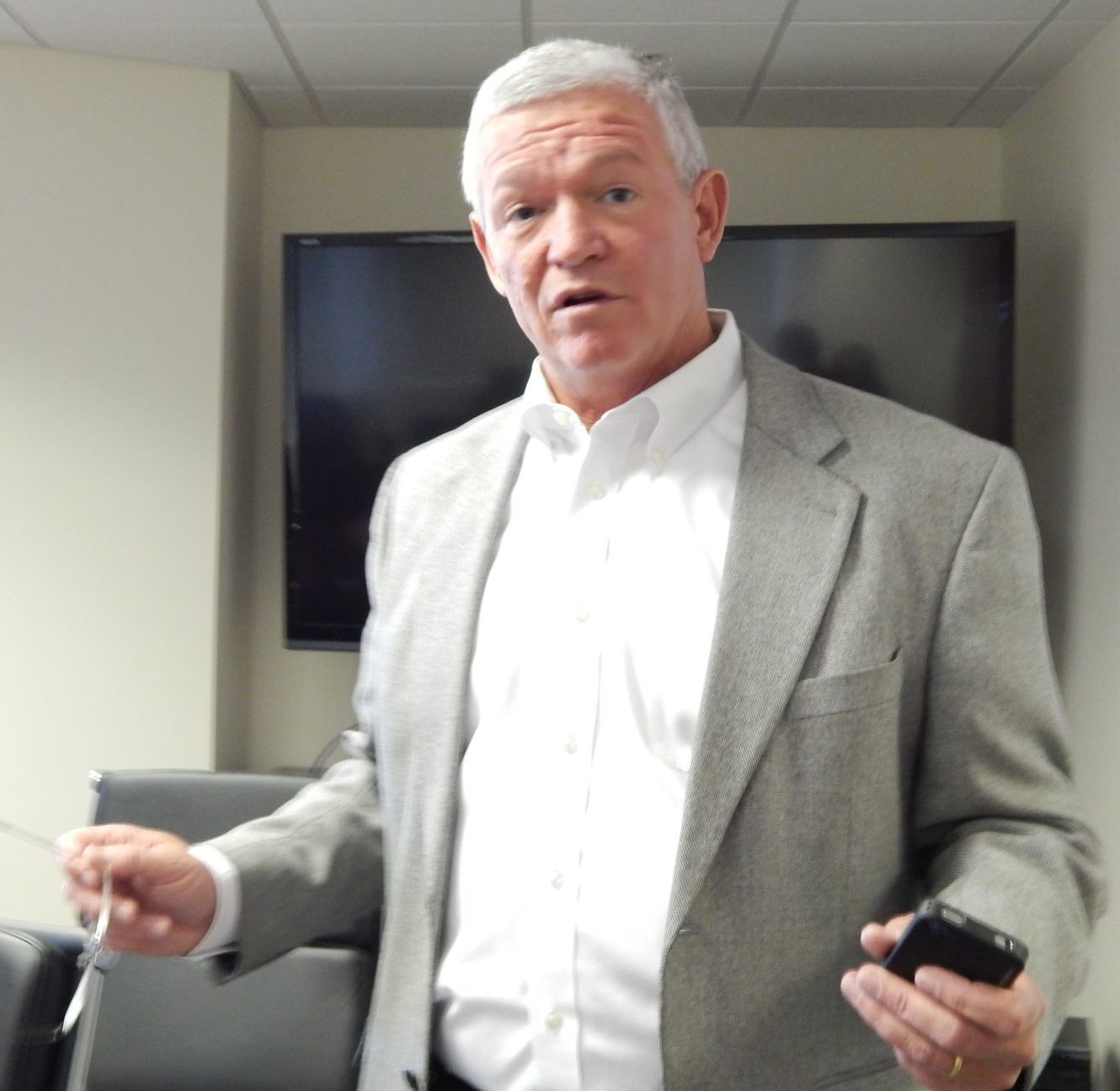
The nonprofit insurer lost $28 million in 2014 and, as of June 30, had lost $9.5 million this year. CEO Ken Lalime said early losses are not unusual for a new company, and said HealthyCT has the capital to get through the initial, unprofitable years.
Posted inHealth
AMA asks Justice Department to block Aetna-Humana, Anthem-Cigna mergers
WASHINGTON – Saying it would end competition in key markets and erode patient care, the American Medical Association has asked the Justice Department to quash the proposed mergers between insurance giants Aetna and Humana and Anthem and Cigna.

Posted inEducation, Health, Justice, Money, Politics
Malloy pitches $350M in cuts; GOP wants mix of cuts, labor savings
Gov. Dannel P. Malloy presented legislators Thursday with almost $350 million in budget-cutting options that would fall heavily on social services, education and municipal aid, according to documents obtained by The Mirror. Meanwhile, leaders of the legislature’s Republican minority offered an array of spending cuts and new restrictions on state employees’ wages and benefits, all of which presumably would require negotiations with labor unions.