



You probably never heard his name before today, but Cody Wilson emerged this week as an influence in the Connecticut primaries for governor and attorney general: He is a self-described “crypto-anarchist” from Texas who wants to sell America a downloadable blueprint for the 3D printing of untraceable plastic firearms.
A ‘crypto-anarchist’ hands Democrats a new gun issue

Posted inNews
Increased ticketing for distracted driving is making a difference

Starting today, police officers will be out in force across Connecticut pulling over drivers who are using handheld mobile phones.

Posted inHealth
CT Insurance Dept. mulling expansion of ‘short-term’ plans

WASHINGTON – The Trump administration on Wednesday issued final rules that would allow states like Connecticut to allow the sale of cheaper, skimpier health care plans that were originally intended for short-term use but now be available for 364 days, or nearly 12 months at a time. Now, it’s up to state officials to allow the sale of these short-term plans, which do not have to cover pre-existing conditions.

Posted inEducation, Money
UConn needs big boost in state aid to preserve sci-tech expansion

The University of Connecticut Board of Trustees is seeking major increases in state aid in each of the next two fiscal years, to maintain an initiaitve to expand science and technology programs and to cover mandated pay raises.
Posted inNews
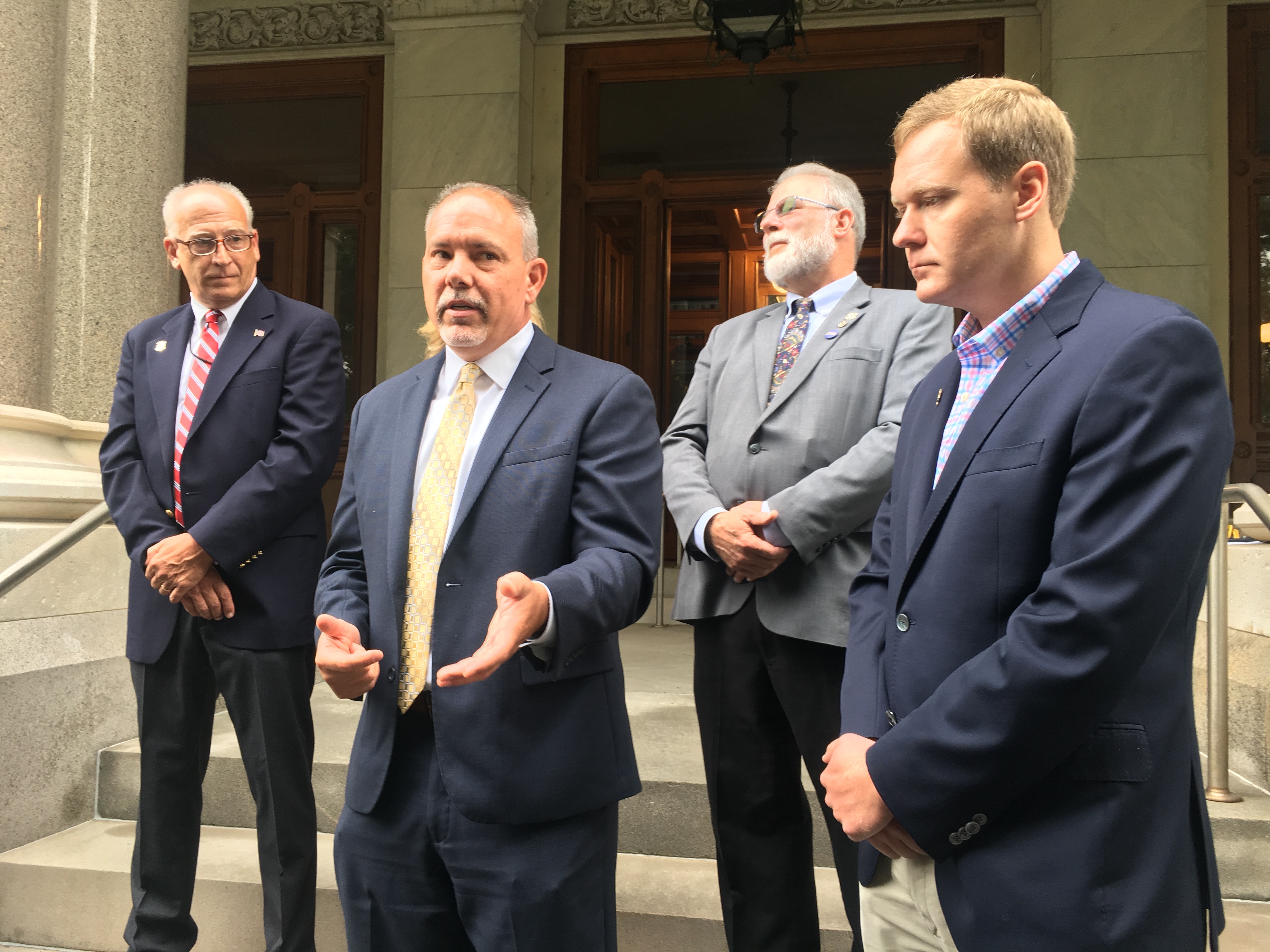
House Democrats file election law complaint against nationally funded PAC


Connecticut House Democrats filed a complaint with the State Elections Enforcement Commission on Wednesday against a nationally Republican funded Super PAC they say violated reporting requirements while targeting state Democratic legislators ahead of the 2018 election.

Posted inCT Viewpoints
Connecticut’s four-year public state university graduation rates fall short

Low completion rates are a problem at some of Connecticut’s four-year public state institutions. A recent report outlining the number of bachelor’s degree earners reveals a significant gap in the graduation rates between the four-year public state institutions that make up the Connecticut State Colleges and Universities and the University of Connecticut. Although in-state, undergraduate tuition costs at each of the five public institutions are the same, their graduation rates are vastly different. The CSCU graduation rates are lagging behind those at UConn, and strategies need to be instituted in the CSCU system to correct this discrepancy.

Posted inCT Viewpoints
An inexcusable and costly failure to fund juvenile review boards
For years, legislators sang the praises of juvenile review boards, because community-based JRBs helped kids succeed more frequently– and more cheaply – than the juvenile justice system. But when the General Assembly moved juvenile justice from one state agency to another, it neglected to move the funding for JRBs that serve our largest cities. That means fewer second chances and fewer essential services – mainly for young people of color and from disadvantaged backgrounds. Our state frequently cannot find the money to support these youth, though the funding for the more expensive strategies of prosecution and even incarceration is never in short supply.

Posted inMoney
Boughton, Stefanowski, have lots of confidence, few details on plans to phase out income tax
GOP gubernatorial contenders Mark Boughton and Bob Stefanowski say they would phase out the state income tax. But their rivals say those claims are false given that Connecticut faces huge projected deficits, skyrocketing pension costs and a controversial benefits contract that runs for nine more years.

Posted inHealth
CT AG slams Trump administration’s proposal to change Title X

Connecticut Attorney General George Jepsen and 12 other attorneys general claim that proposed changes to Title X — the only federal program specifically dedicated to supporting the delivery of family planning care — are unconstitutional and would limit care options for women.

Posted inNews
In his final months as governor, Malloy appoints new general counsel

With about six months remaining of his second and final term, Gov. Dannel P. Malloy is appointing a naval officer to replace Karen Buffkin as his general counsel.

Posted inPolitics
Federal judge stops release of plans for 3D-printed guns
A federal judge issued a temporary restraining order Tuesday to stop the release of downloadable plans for 3D-printed, plastic guns that were set to be publicly available on August 1.

Posted inPolitics
Glassman, Hayes, not too far apart on key issues in heated primary contest
Democrats Mary Glassman and Jahana Hayes, who are in a tough competition to win the Aug. 14 Democratic primary both try to woo activist, liberal leaning Democratic primary voters, their positions on key issues don’t deviate much. But there are nuances.

Posted inCT Viewpoints
Connecticut’s pension problems come from over-promising, not underfunding
Based on a new study by Wirepoints released in June, Connecticut once again makes the rogue’s gallery of pensions for state employees. Most analyses of pensions focus on the unfunded liability – amounts due for which no funds have been provided. This type of analysis leads to the logical conclusion that more funding – more taxpayer dollars – is required to close the funding gap. Connecticut’s current governor and legislature have indeed been very good at raising taxes – the largest increases in our history over the last few years – but still unfunded pension obligations continue to grow.

Posted inPolitics
Biography and diversity, not issues, separate Democrats in CT-5
Mary Glassman unequivocally supported Israel, while Jahana Hayes called the question complicated. Hayes embraced federal legalization of marijuana, while Glassman called it a state issue. But mainly, the two Democratic candidates for Connecticut’s only open congressional seat disagreed Monday night on what message their victory would send.

Posted inHealth
Legislators grill UConn Health, DOC about inmate health care
Concerns about the medical care provided to inmates in Connecticut’s prisons emerged during a six-hour hearing Monday as family members of inmates testified about substandard care and the correction department’s former chief medical officer told lawmakers that requests for specialized treatment were routinely denied.