



Connecticut began 2016 with more structural deficits coupled with a refusal by the majority to address the size and burn rate of our bloated state government. Instead, they blamed our chronic fiscal problems on a “new economic reality” — i.e., more political spin and another pusillanimous excuse for failed leadership. Indeed, despite record high state tax receipts over these last few years, extracted by our record high tax increases, we still have not kept pace with spending.
A new fiscal year worse than last, but we can still fix Connecticut’s mess

Posted inEducation, Justice
Troubled schools on trial: A broken formula for state aid

To fix the formula, legislators would have to decide whether there is inequity in how state aid is distributed to towns, simply a lack of money, or both. Any major change would mean huge fiscal consequences and political battles. Second of seven stories.
Posted inPolitics
Linda McMahon is Trump pick for Small Business Administration


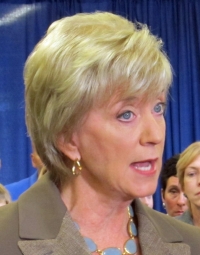
Linda McMahon, the WWE co-founder and two-time Republican nominee for the U.S. Senate in Connecticut, was named Wednesday as President-elect Donald J. Trump’s choice as the administrator of the Small Business Administration.

Posted inHealth, Politics
Senate approves Murphy mental health bill
WASHINGTON — Sen. Chris Murphy had a significant win Wednesday as the Senate gave final approval to a bill that included his legislation to overhaul the mental health system. “For all the downsides about this job, this is one of those moments that keeps you coming back,” he said.

Posted inPolitics
CT lawmakers torn between funds for subs and waiver for Mattis
WASHINGTON – A stopgap measure to fund the federal government would allow work to continue on a new Connecticut-built ballistic missile submarine while also expediting the controversial nomination of retired Gen. James N. Mattis as the next secretary of defense, posing a tough choice for Connecticut’s lawmakers.
Posted inCT Viewpoints
Ahmadiyya Muslims hold blood drive to counteract intolerance
Amidst a rude awakening of spiking intolerance, my Ahmadiyya Muslim Community perseveres in waging the true spiritual Jihad (striving) of Prophet Muhammad and his Messiah Ahmad, peace be upon them; the Jihad of peace-loving service and life. This holiday season, we warmly invite you to make another life-giving impact at Baitul Aman “House of Peace” Mosque, […]

Posted inEducation, Justice
Troubled schools on trial: When poverty permeates the classroom
“The state of education in some towns is alarming,” wrote the judge presiding over a recent five-month trial on state funding of failing schools. Whether the state is doing enough to educate children in poverty was at the core of the case, which explored the struggles of students in the state’s lowest-performing schools. First of seven stories.
Posted inMoney, Politics
With an eye on legislature, Bronin makes pitch to suburbs
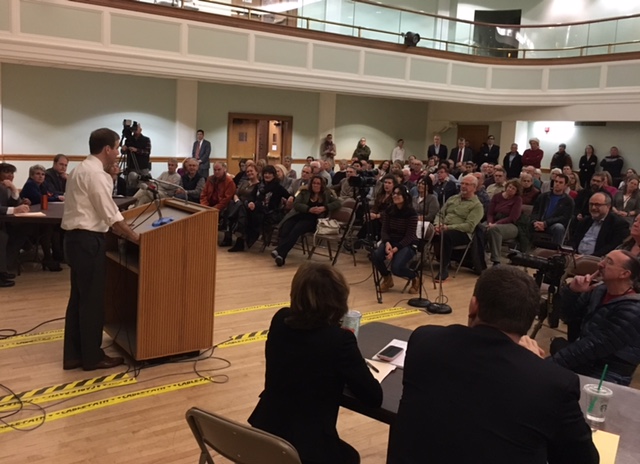
It wasn’t necessarily the way Hartford Mayor Luke Bronin wanted to start a conversation with the suburbs about what it would mean to the region if the capital city goes broke. But the Metropolitan District Commission’s unexpected levy on its member communities for a reserve fund in case Hartford cannot pay its bills is getting Bronin invitations to the suburbs to talk about the city’s challenges.

Posted inHealth, Money
DDS group home privatization effort slows down — for now

Gov. Dannel P. Malloy’s plans to privatize 40 group homes and lay off nearly 500 Department on Developmental Services employees next year — as well as union efforts to block those actions — are temporarily on hold, but have not gone away.
Posted inHealth
Advocates give legislators a ‘mental health 101’

The dozen or so legislators who showed up heard personal stories and policy pitches. They got some advice and joking sympathy. It was one of the many ways lobbyists and advocates will try to make an impression on legislators in advance of next year’s session.
Posted inHealth, Money
More than 320,000 CT households need winter energy aid
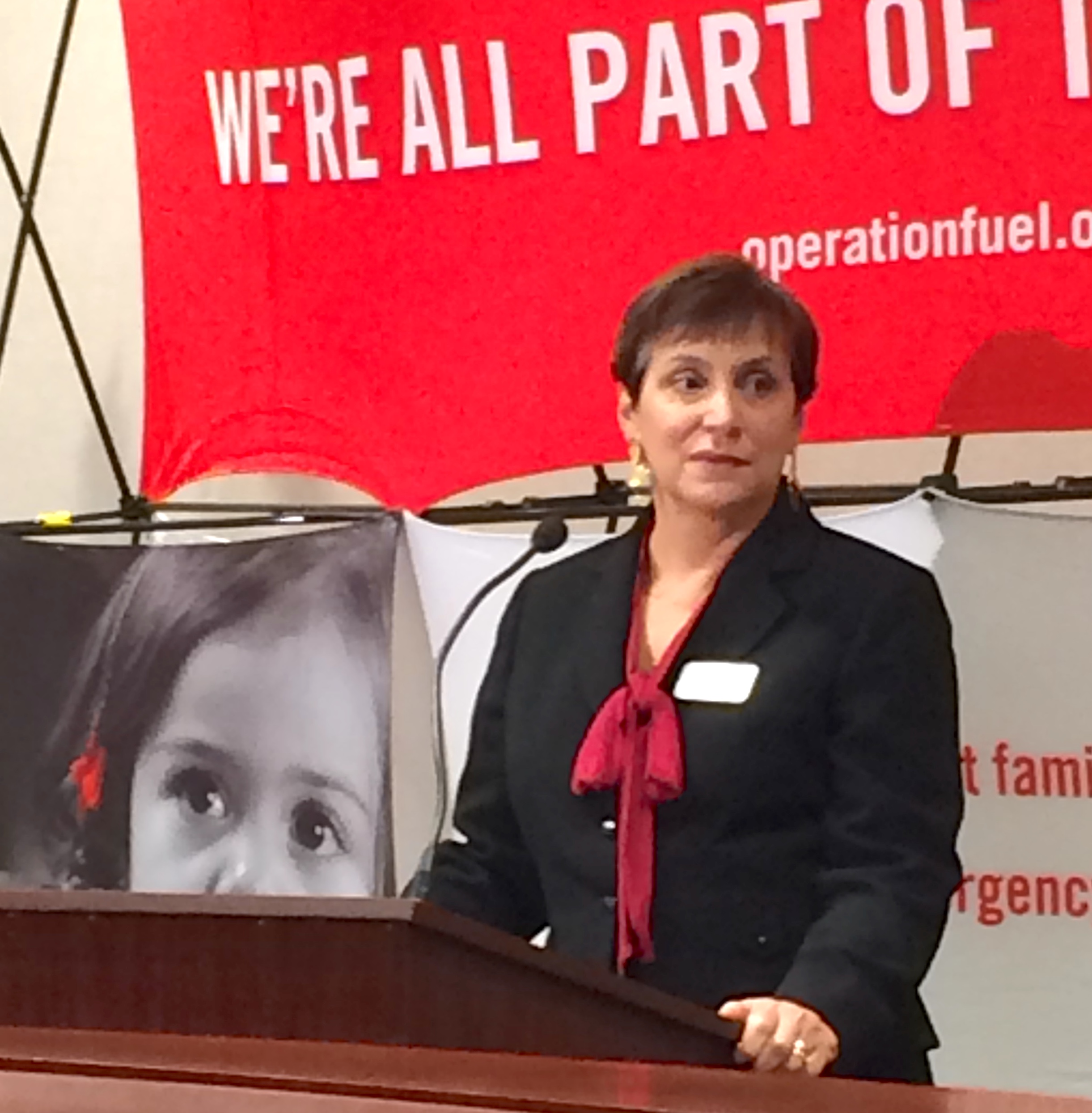
While falling fuel prices offer some relief, more than 320,000 Connecticut households face the “crushing financial burden” of energy bills that outstrip their resources by almost $400 million, a new study reported Tuesday.

Posted inCT Viewpoints
Donald Trump and arguments from ignorance
Most people, even very young children, have an intuitive sense that proof of the existence of something is required before that “something” is acknowledged as true. Kids say “prove it.” Adults understand that the burden of proof is almost always on the party asserting the truth of something. For example, in our justice system the burden of proof is on the state (in a criminal action) and the plaintiff (in a civil action). A defendant does not have to prove his innocence; the state must prove his guilt–beyond a reasonable doubt. For some reason, however, this very simple concept seems to get lost in the political realm.

Posted inPolitics
Malloy re-elected to a second term as DGA chairman
Gov. Dannel P. Malloy was re-elected Monday to a second one-year term as chairman of the Democratic Governors Association, which lost ground in the 2016 elections, at the group’s winter meeting in New Orleans.
Posted inPolitics
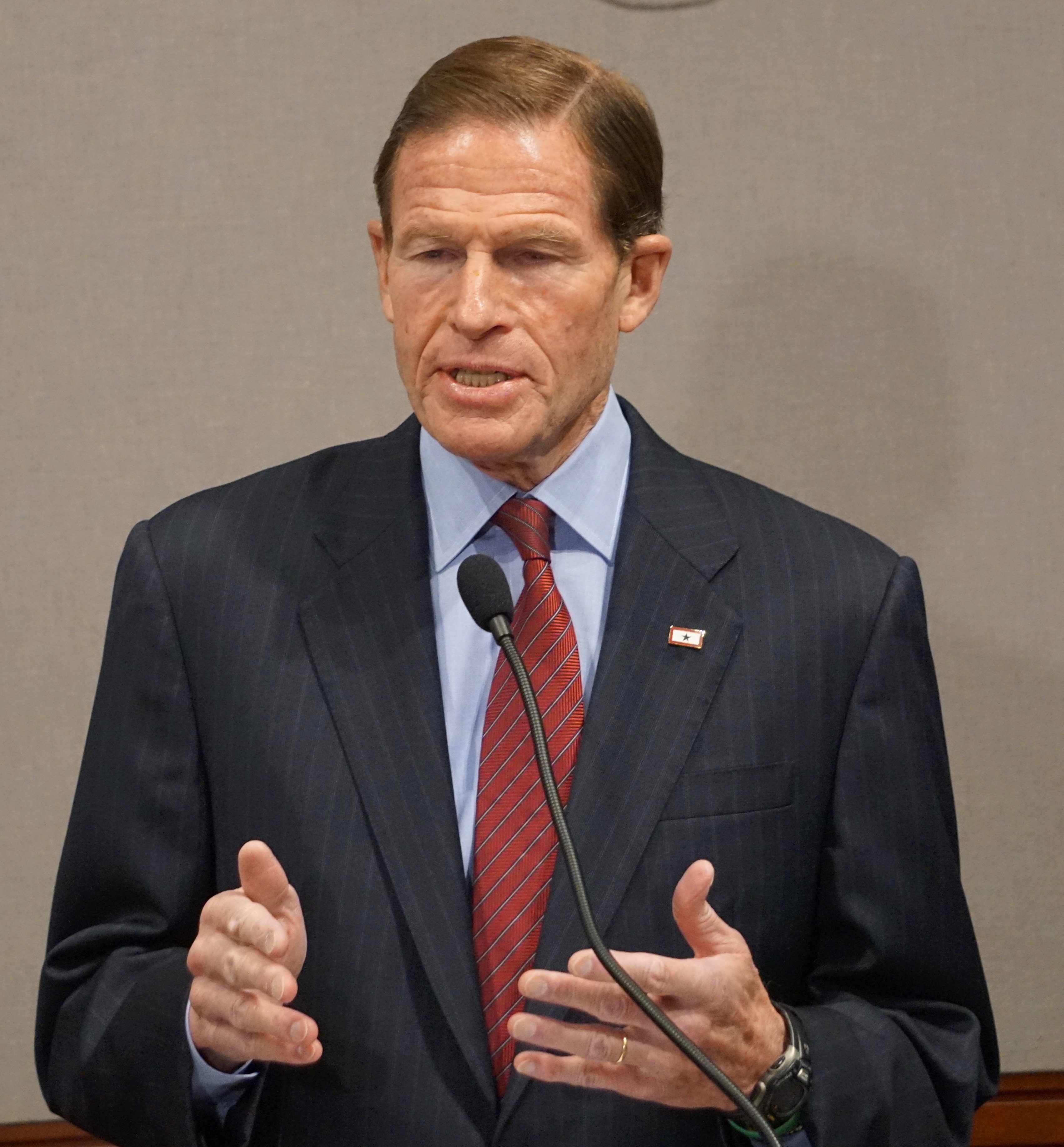
Blumenthal uncertain over confirmation vote for Mattis
U.S. Sen. Richard Blumenthal, D-Conn., a member of the Armed Services Committee, said Monday that he had doubts about waiving a rule barring President-elect Trump from naming former General James Mattis or any other military officer as defense secretary so soon after retirement.

Posted inHealth, Justice
Aetna, Humana defend merger plans in court
Updated at 4:57 p.m.
WASHINGTON — Opening salvos were fired Monday in the antitrust case against the proposed merger of Aetna and Humana, with Justice Department attorneys arguing the tie-up would mean sharp price hikes for Medicare Advantage plans and a disintegration of choice for people purchasing insurance on Affordable Care Act exchanges.