

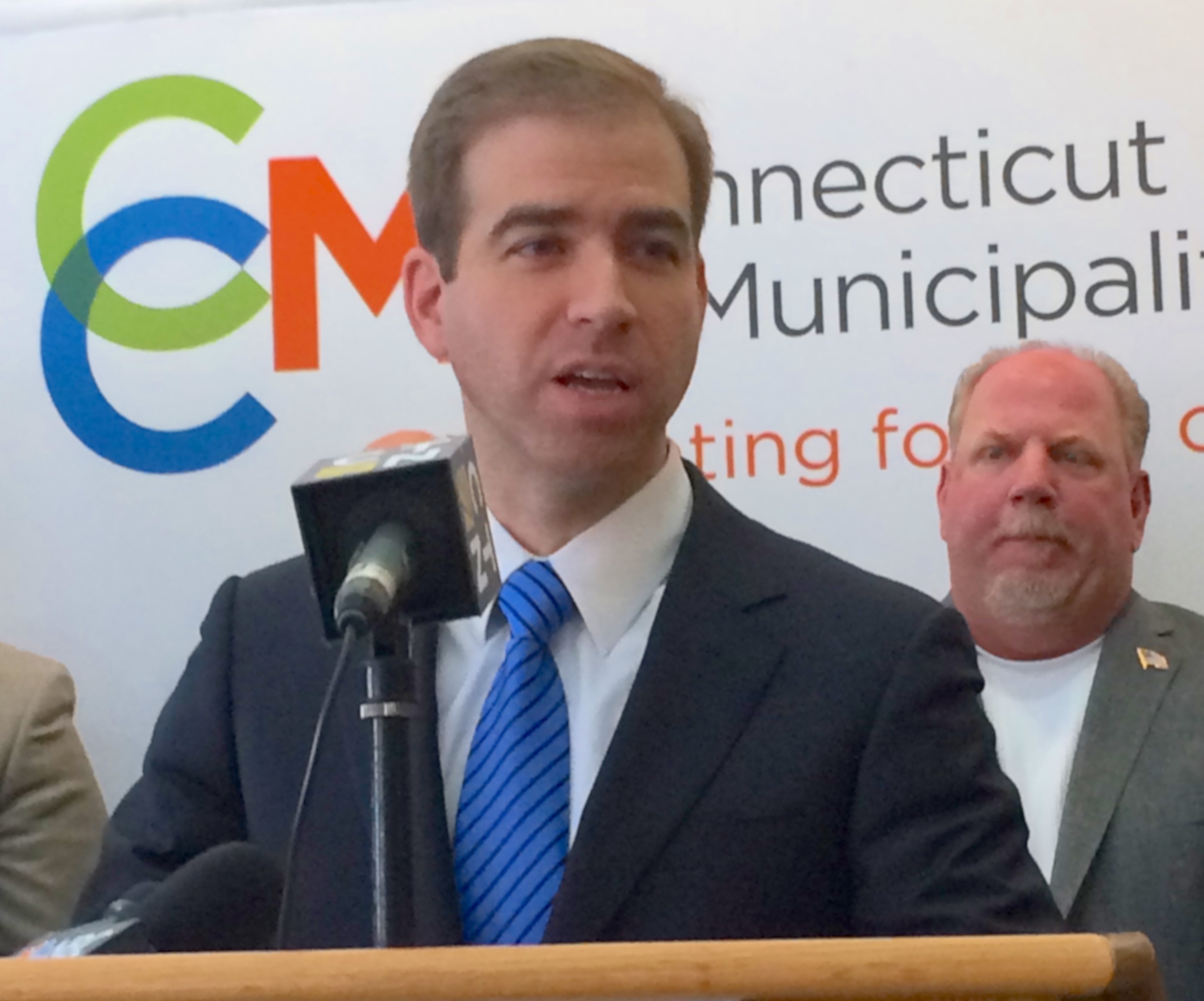

Connecticut’s cities and towns unveiled a sweeping financial plan Wednesday that included a major sales tax boost to aid communities, new regionalization incentives and collective bargaining changes. The bargaining changes would be designed to ensure new revenue for towns would not be used to boost wages and benefits for municipal workers.
CCM: Pair sales tax hike, bargaining changes to bolster cities, towns
Posted inCT Viewpoints
Malloy’s budget cuts add to Connecticut education funding crisis

Connecticut’s education system is facing a crisis, and it seems to be growing every day. Over the holidays, Gov. Dannel Malloy announced his proposal to end education aid to certain towns. Last week, he told some mayors and town managers that they are in “substantially better shape” than the state and advocated for a “fairer” distribution of state education funds. While the governor’s office points out that the cuts he proposes are being made to the wealthiest towns, it matters to everyone.

Posted inHealth
After the save: A drug can reverse an overdose. Then what?

The drug naloxone can reverse an opioid overdose. Experts say it’s a vital tool, but in many ways, a short-term one: Naloxone saves lives, but it doesn’t necessarily change them. Now, a pilot program in one emergency room aims to connect people who have been revived after overdoses to longer-term recovery help.
Posted inMoney
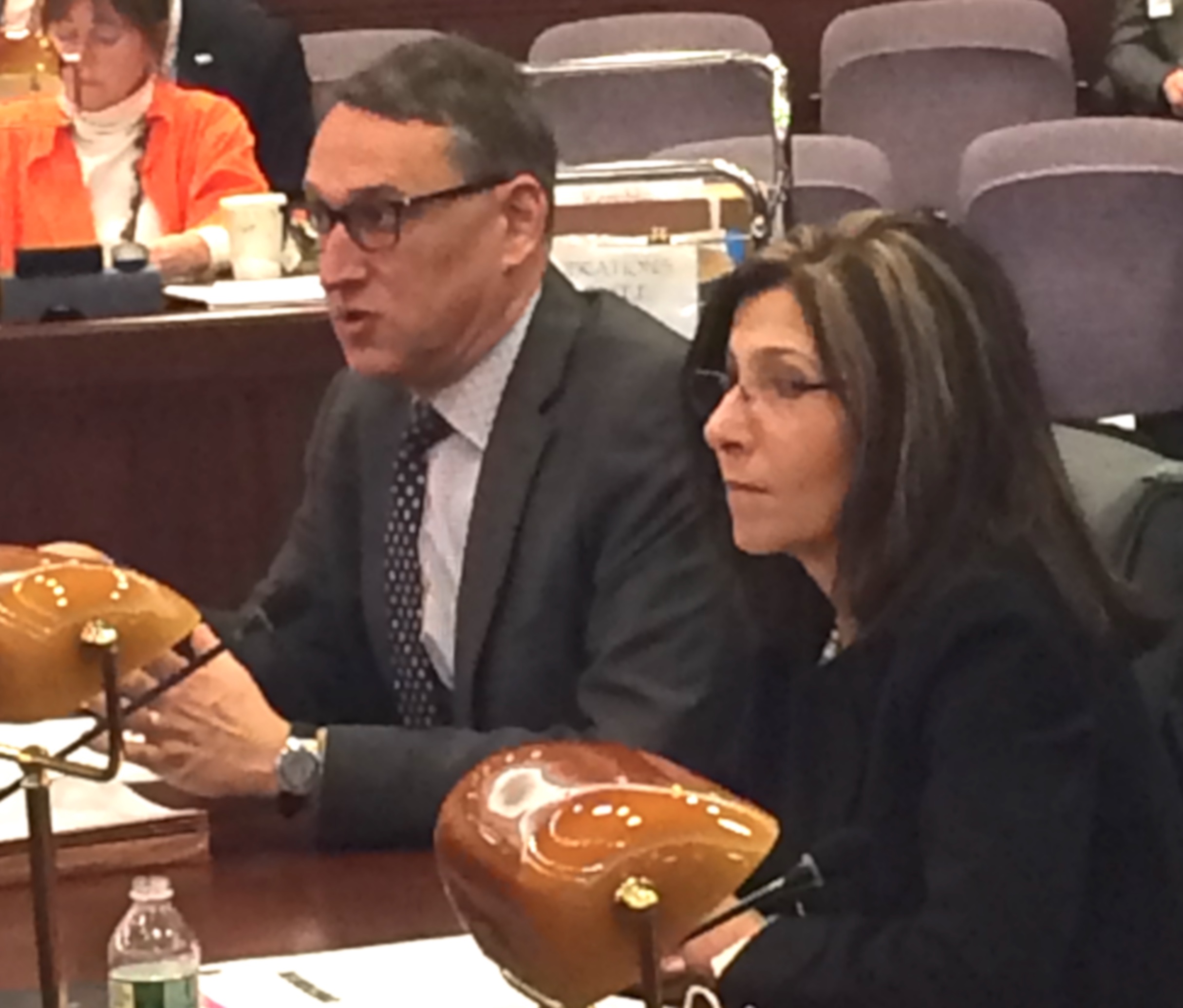
Budget panel backs deal to stretch out spiking CT pension costs
The legislature’s Appropriations Committee Tuesday endorsed a new plan that would allow Connecticut to defer billions of dollars in required contributions to the state employees pension fund until after 2032.
Posted inPolitics
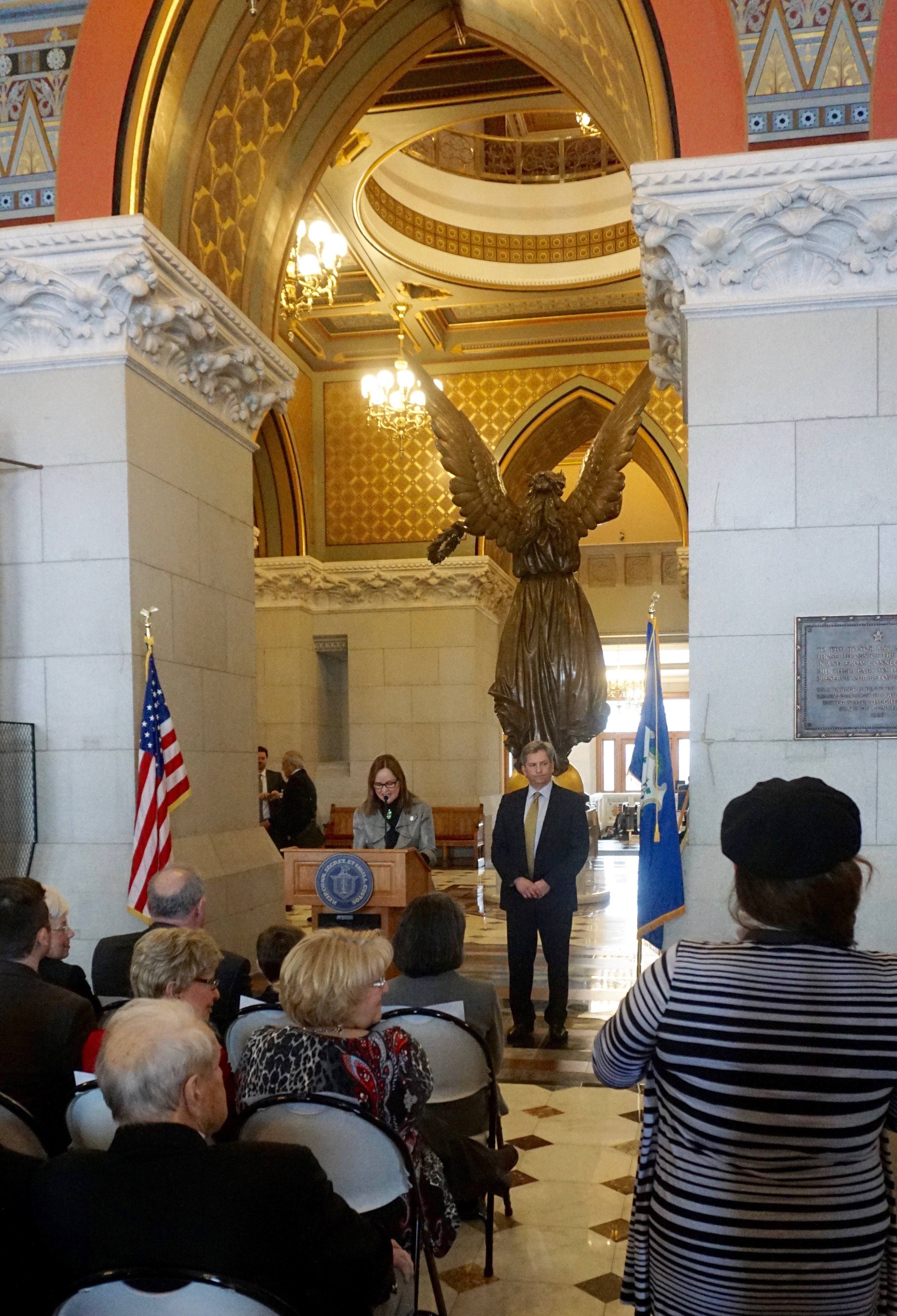
A political debut generates a buzz in Hartford

Scott Bates took office as Connecticut’s deputy secretary of the state Tuesday in a ceremony that marked him as man to watch in state politics. The job is not a traditional springboard to elective office, but Bates was sworn in by Secretary of the State Denise Merrill in front of an audience, as she noted, composed of “many dignitaries, both foreign and domestic.”

Posted inPolitics
Unlike other Trump picks, McMahon sails through confirmation hearing

WASHINGTON — Introduced by two Connecticut senators who crushed her political hopes in Connecticut, Linda McMahon on Tuesday sailed through a confirmation hearing, placing her a step closer to becoming the next head of the Small Business Administration.
Posted inHealth, Money
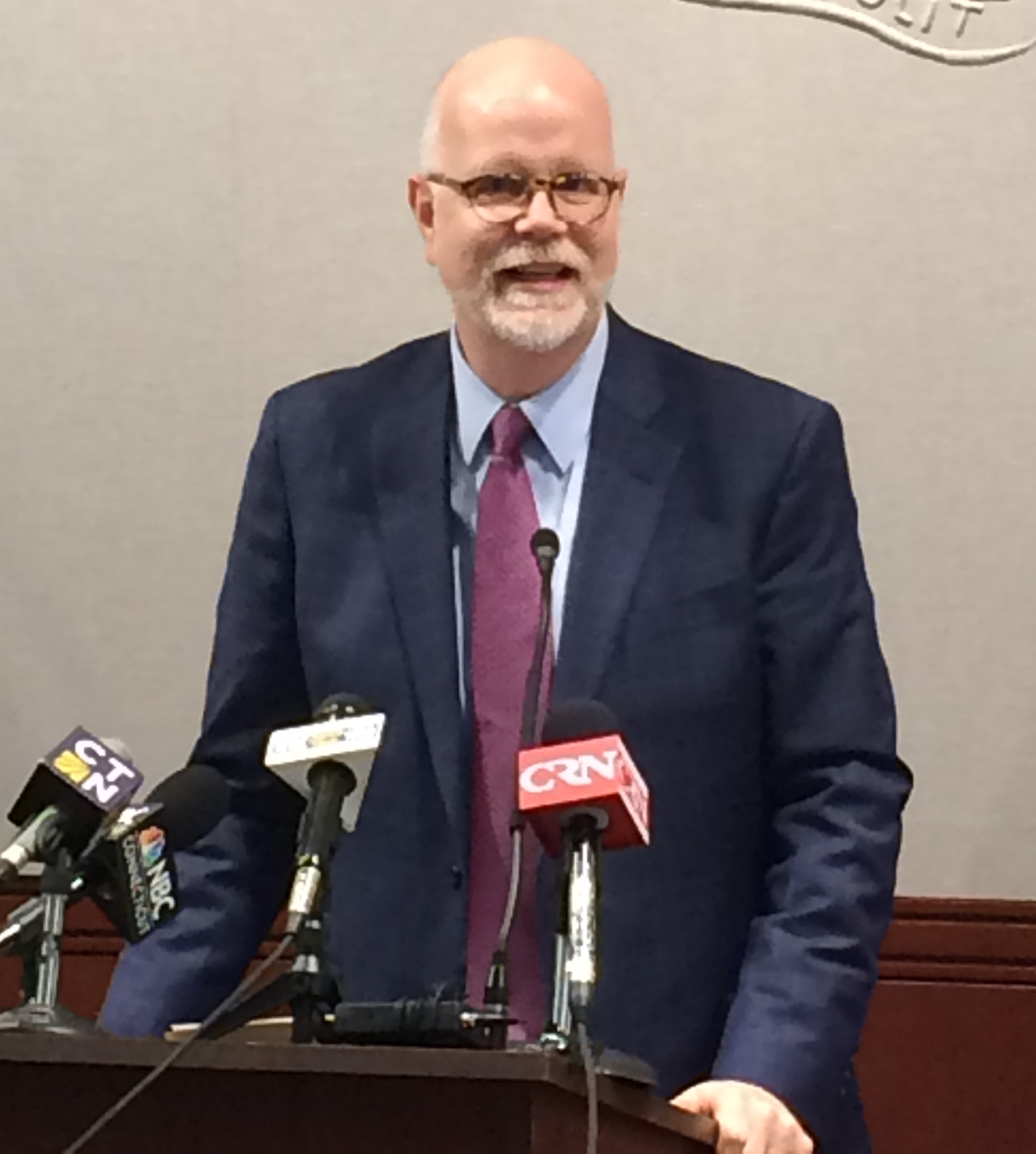
Lembo targets ‘skyrocketing’ drug prices
State Comptroller Kevin P. Lembo unveiled a five-point plan Tuesday to develop new legislation to reduce “skyrocketing” pharmaceutical drug costs in Connecticut.

Posted inEducation
Malloy: ‘A mistake’ to reject DCF plan

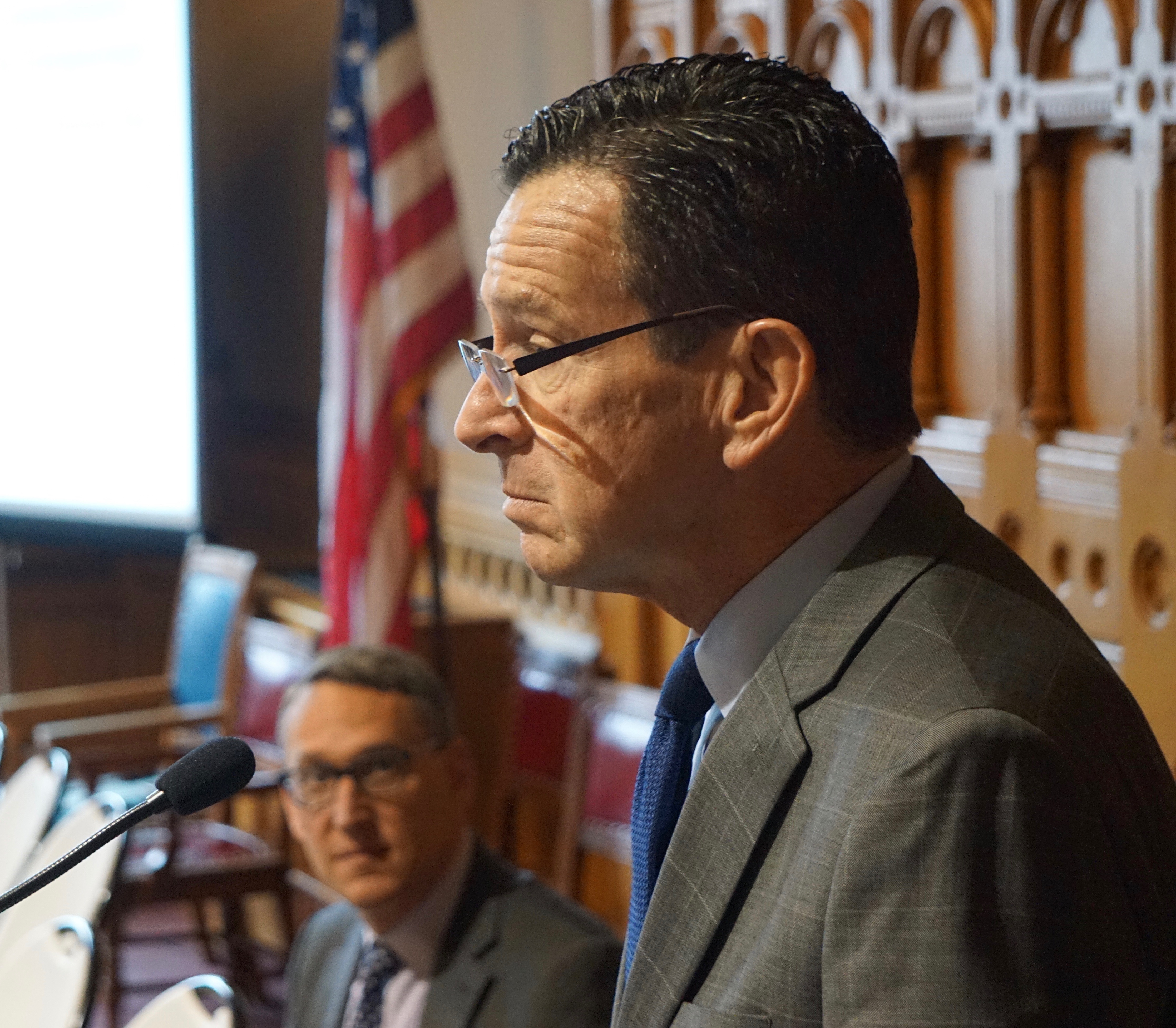
Gov. Dannel P. Malloy expressed frustration Tuesday that members of the legislature’s budget-writing committee voted not to recommend a plan he says paves the way for the state’s child welfare agency to finally rid itself of federal court supervision.
Posted inEducation, Health, Money, Politics
Malloy continues to prep CT for lean budget and shifts in local aid
Gov. Dannel P. Malloy continued to set expectations Tuesday for his upcoming state budget proposal, hinting at a lean plan that avoids major tax hikes and realigns municipal aid in favor of distressed cities.

Posted inHealth
Aetna, Humana still weighing appeal of ruling blocking merger
WASHINGTON — The day after a federal judge dealt a crusing blow to Aetna’s plans to merge with Humana, the insurance companies’ CEOs said they were still mulling over whether to appeal the decision.
Posted inCT Viewpoints
CEA attack on Achievement First ‘blatantly political’ and false
The Connecticut Education Association’s criticism of Achievement First is a blatantly political attack that willfully misrepresents AF’s leaders, finances and students. As the first person in my family to graduate from college, I know what education has done for my family and me. Like Dacia Toll, the founder of Achievement First (AF), I am passionate about education and I want the same opportunities for all children as my children received.

Posted inCT Viewpoints
How should we remember World War I?

How should World War I be remembered? Connecticut libraries and historical groups are now gearing up for this year’s 100th anniversary of April 6, 1917– the day we entered the “Great War.” What exactly will we commemorate? Thirty-seven million people were killed in the war from 1914 to 1918. U.S. forces averaged 297 casualties a day. Here was a conflict, historian Howard Zinn wrote, where “no one since that day has been able to show that the war brought any gain for humanity that would be worth one human life.”

Posted inCities & Towns
Little Derby has a big plan

In 2003 the city demolished a row of 19th century brick buildings along Main Street to make way for a major development that never happened, leaving a vacant 19-acre site with little more than a rusting grain elevator. Now city officials hope to create a new neighborhood “that will put Derby on the map.”

Posted inPolitics
Murphy sees common cause with Trump on ‘Buy American’
As U.S. Sen. Chris Murphy’s political allies denounced a Trump cabinet nominee and built on the momentum of the mass protests led by women’s groups over the weekend, Murphy reversed field and outlined an effort at constructive engagement with the new GOP administration on its call to “Buy American.”
Posted inEducation
Budget committee rejects Malloy’s plan to lock in DCF spending
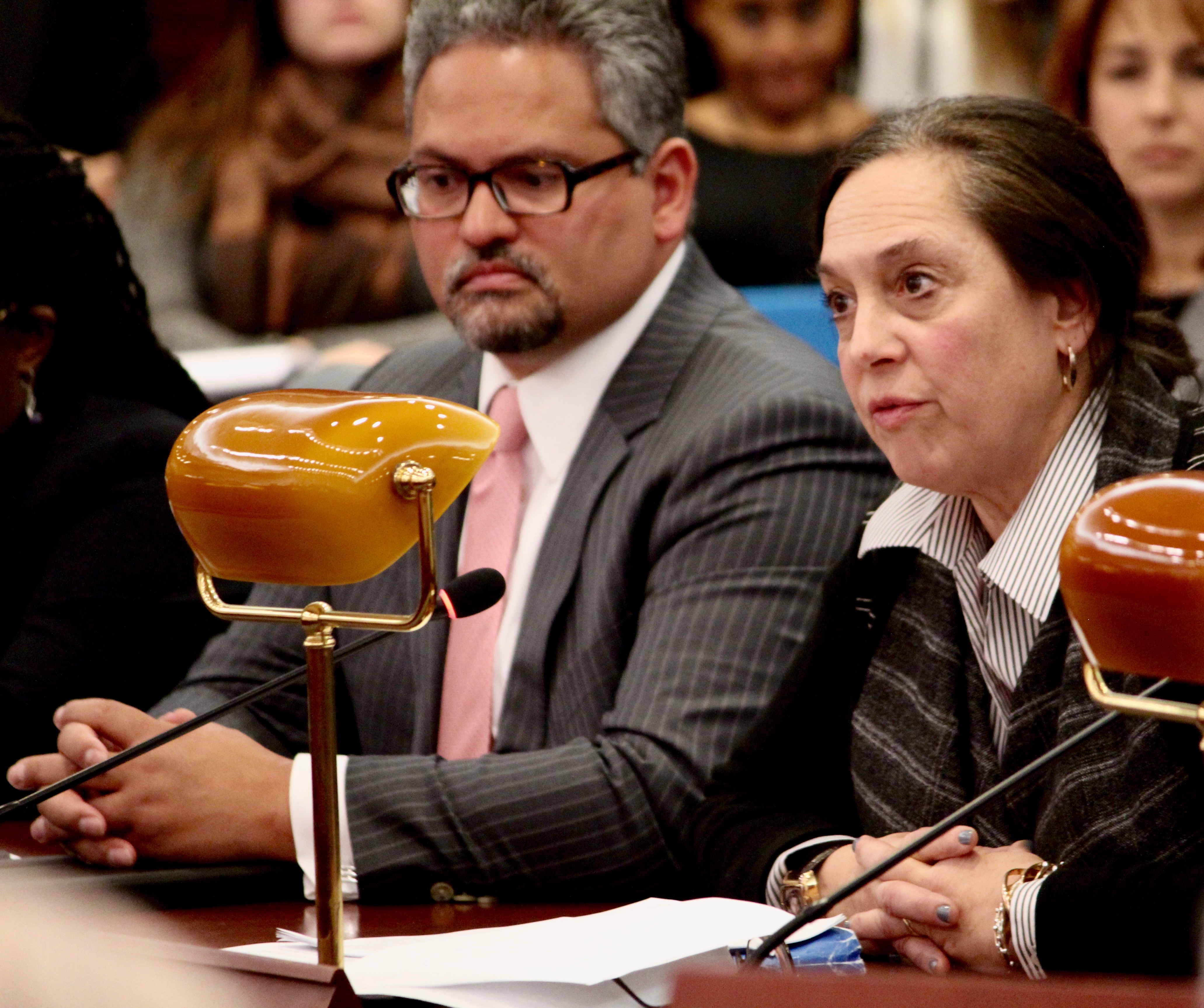
The legislature’s budget-writing committee voted overwhelmingly Monday to recommend rejecting a plan being pushed by Gov. Dannel P. Malloy that would lock the legislature indefinitely into a plan to spend at least $800 million yearly on the state’s child protection and foster care system.