



A terse notice posted by the Department of Interior on its web site at 11:15 a.m. gives no rationale for the reversal, saying only that after “further consultations with the Tribe,” the East Windsor gambling amendment is approved.
Trump official reconsiders, OK’s casino in East Windsor

Posted inMoney
CT loses 400 jobs in February but unemployment remains fixed at 17-year-low

While that jobless rate remains CT’s lowest in 17 years, it also comes just two weeks after labor officials revised job growth numbers sharply downward for 2018.
Posted inCT Viewpoints
Connecticut voters need the power to hold referendums

It’s high time Connecticut voters had the right and ability to enact legislation sidestepping —even in opposition to— the General Assembly; or at the very least vetoing legislation enacted by the General Assembly. We’re talking about statewide direct voter-initiative referendums.

Posted inCT Viewpoints
Be very, very wary of public-private partnerships

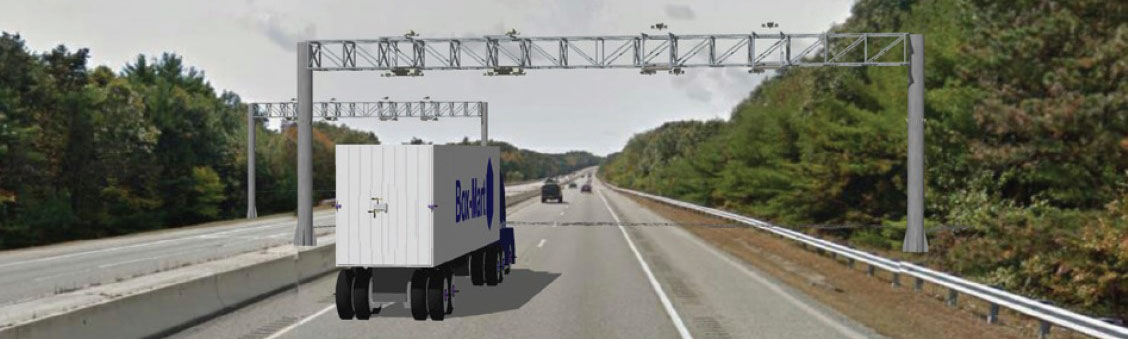
Assuming that it’s possible for Connecticut to impose tolls on roads constructed, reconstructed or maintained in part with federal dollars, how can the investment required to install toll gantries and cameras be funded before any tolls are actually collected? The answer is simple and straightforward: issue state revenue bonds, to be repaid from the future revenue stream generated by tolls. State revenue bonds issued for a public purpose are tax-exempt. Accordingly, they would likely bear a lower interest rate than any loan granted by a private entity looking for a rate of return that would not only cover the cost of any capital that it borrows, but also provide a profit to the entity.

Posted inCT Viewpoints
A solution to the 140th District election quagmire
A “quagmire” describes an extraordinarily distressing situation that all of the options for extraction would probably just make worse. The term aptly describes both falling into quicksand and last November’s election for the 140th Connecticut House of Representatives district in Stratford, where an egregious error by elections officials resulted in 70 votes being cast in the wrong voting district, in an election where the margin of victory (for Democratic incumbent Phil Young) was 14 votes.

Posted inHealth
For the second time, health program for CT seniors in the budget bulls-eye

To save money, the state proposes to implement an assets test for the popular Medicare Savings Program.

Posted inEducation
Gov. Lamont drops “redistricting” from controversial bill to get schools to share services

Some residents and advocates expressed relief about the revisions, while others said they still could not support the governor’s plan.

Posted inTransportation
With committee vote, lawmakers map potential path to tolls
A legislative committee took the first steps Wednesday on what would be a long and complex journey to implement a comprehensive system of electronic highway tolls in Connecticut.
Posted inPolitics
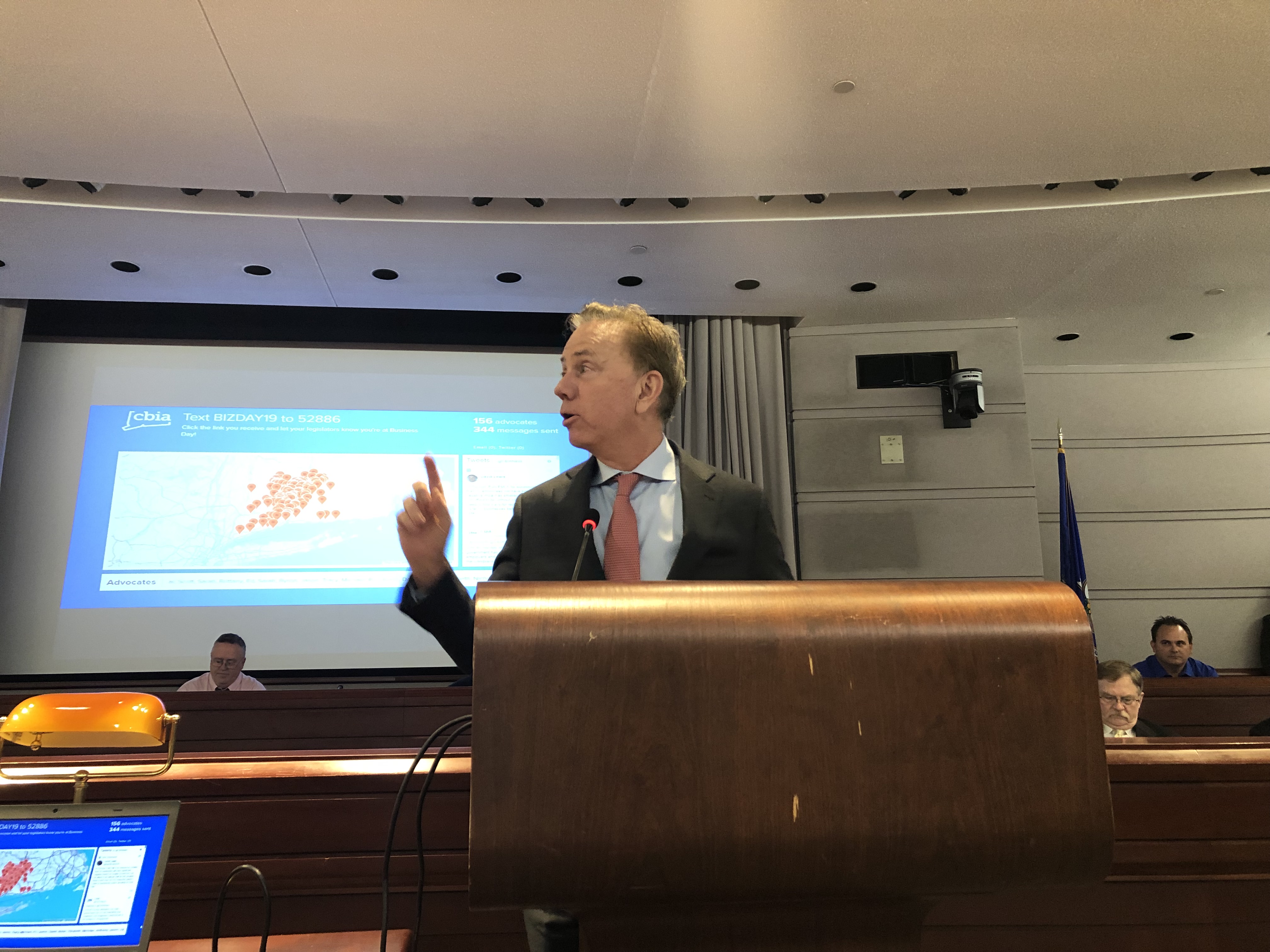
Lamont promotes paid leave, minimum wage to skeptical business leaders

The governor defended the legislation, along with his push for electronic tolls and the need for more investment in transportation.

Posted inCT Viewpoints
Discouraging sugary drink consumption brings benefits
The governor’s proposed sugary drink tax can improve overall health and wellbeing. Sugary drinks are the single largest source of added sugar in our diets. Excessive consumption of these drinks can lead to chronic diseases that significantly harm communities. Policies that drive down consumption should be supported.
Posted inCT Viewpoints
Evaluating claims about tolls in Connecticut
Budget debates are in full swing in Connecticut. Recently Mark Conrad (CT Mirror, Feb. 15, 2019) presented interesting data to support the idea that Connecticut should cut waste from the Transportation budget rather than institute tolls. He observed that Connecticut administrative costs per mile of road are ten times the national average, and total expenses per mile were three times the national average. This made Connecticut’s the sixth most expensive state highway system in the nation. Conrad’s data came from the Reason Foundation, a libertarian group according to its website. The Foundation’s Report presents a rich data set to analyze.
Posted inCT Viewpoints
This is the year to enable a municipal open space funding option
Legislators on both sides of the aisle say they want to protect municipal open space, support town recreation areas, invest in clean water infrastructure, and combat problematic invasive species … so why aren’t they giving municipalities the chance to generate the resources necessary to succeed? The Connecticut General Assembly Environment Committee has a tremendous leadership […]

Posted inEducation
Election of first openly gay Kid Governor is a milestone. But coming out wasn’t easy.
Ella Briggs, 11, is one of a growing number of kids who are coming out at an early age. She’s also Connecticut’s first openly gay Kid Governor.

Posted inPolitics
This Kennedy embraces science on climate, not vaccines
Robert F. Kennedy Jr. wanted a debate on vaccine safety. Pediatricians say there is nothing to debate.
Posted inHealth
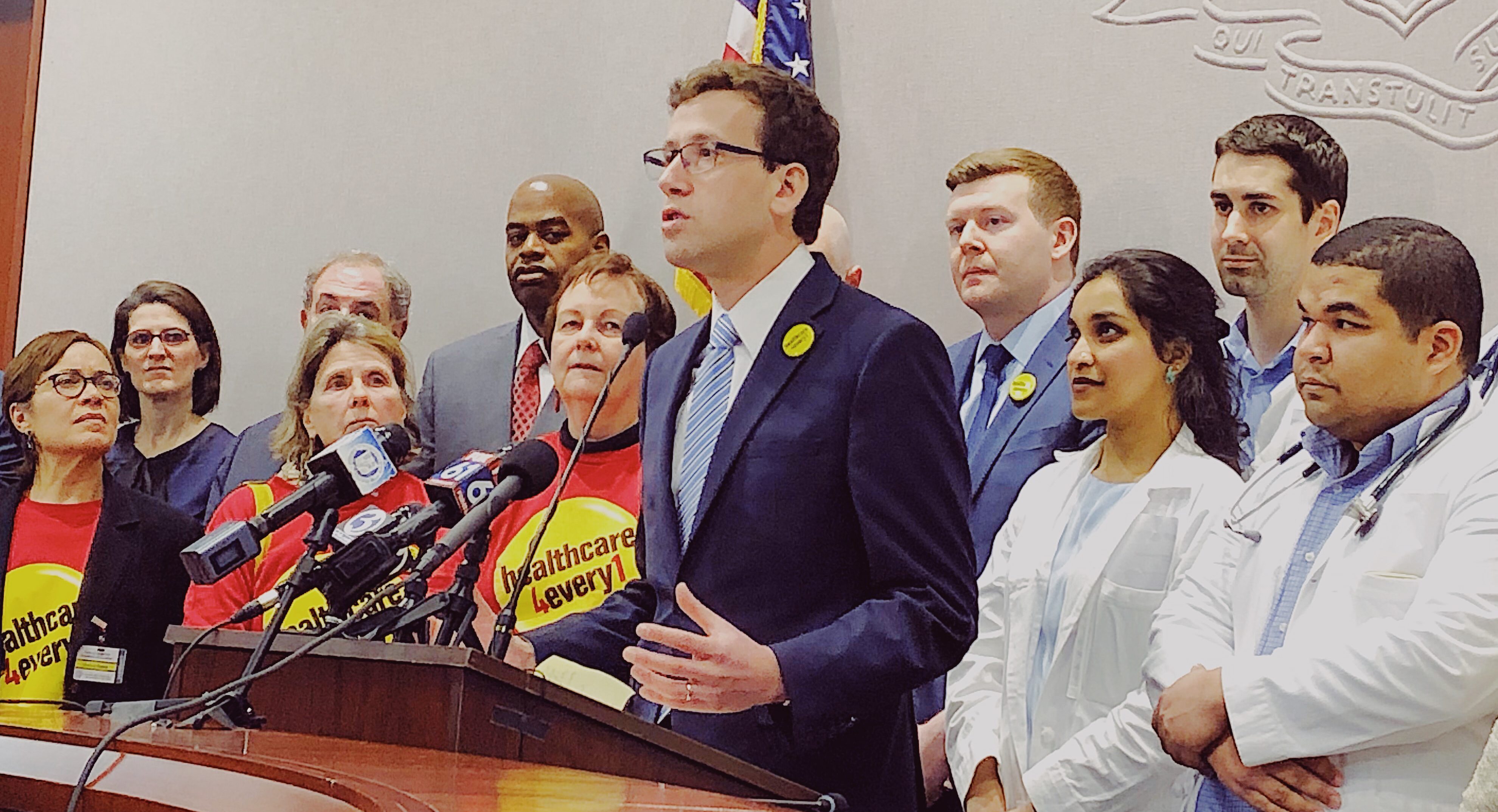
Public option health insurance bills clear committee
The legislation would extend state health benefits to small businesses, nonprofits and individuals.