
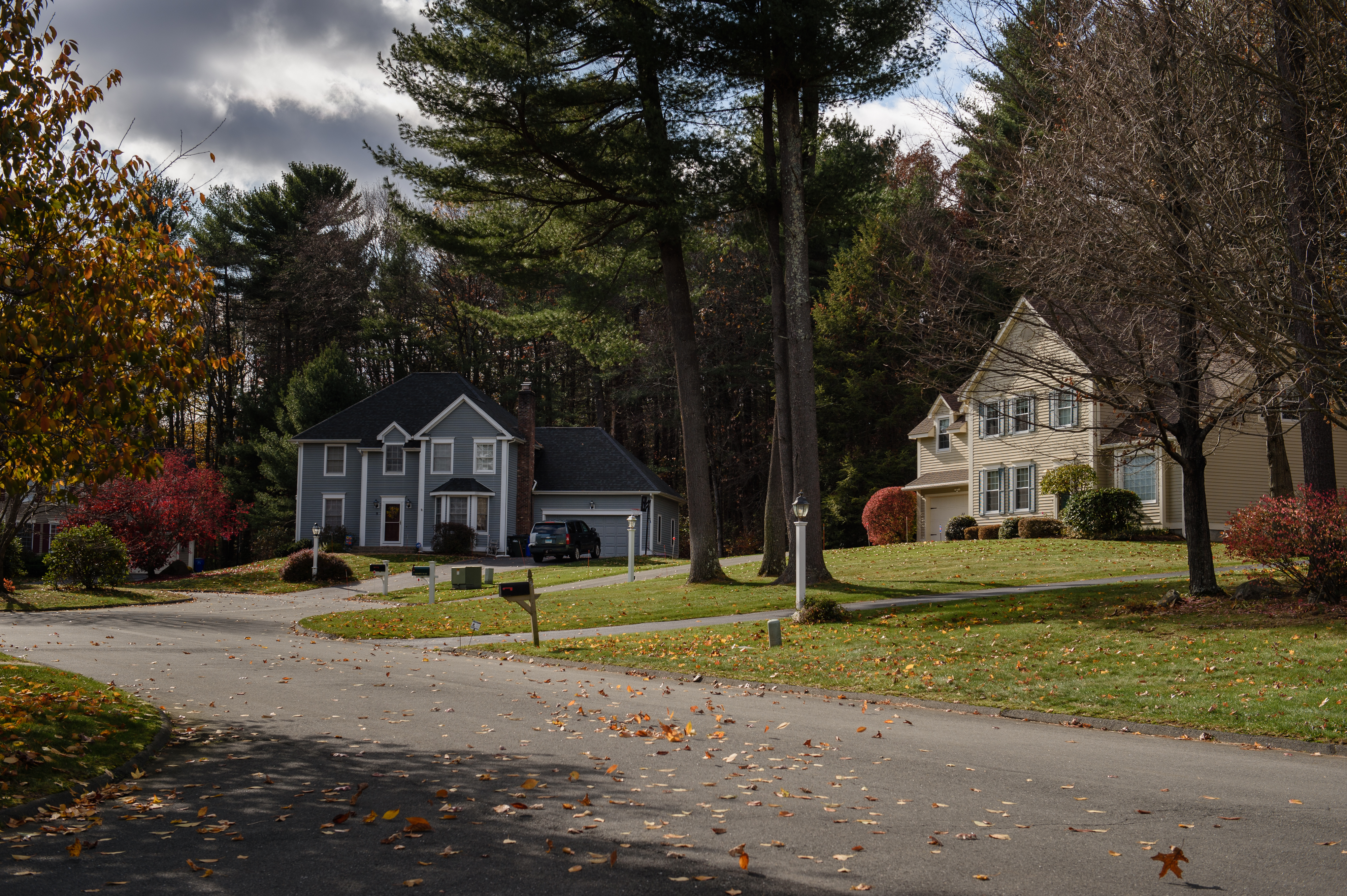

Fault lines emerged during a contentious hearing this week on how to remedy high housing costs and segregation.
housing
Posted inHousing
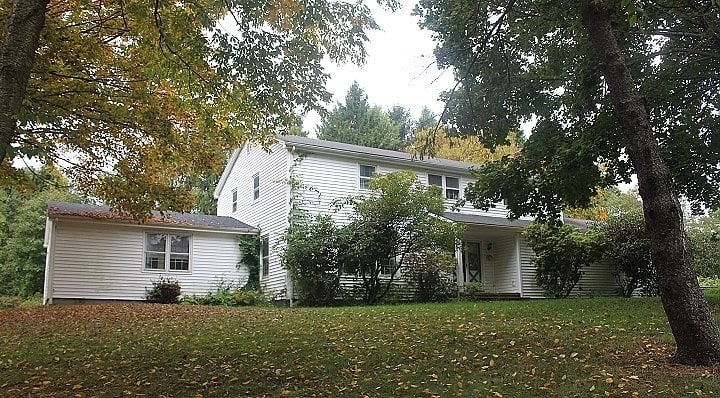
As Biden promises to tackle housing discrimination, HUD scrutinizes Connecticut’s laws
Housing legislation was the subject of a public hearing on Thursday.
Posted inHousing
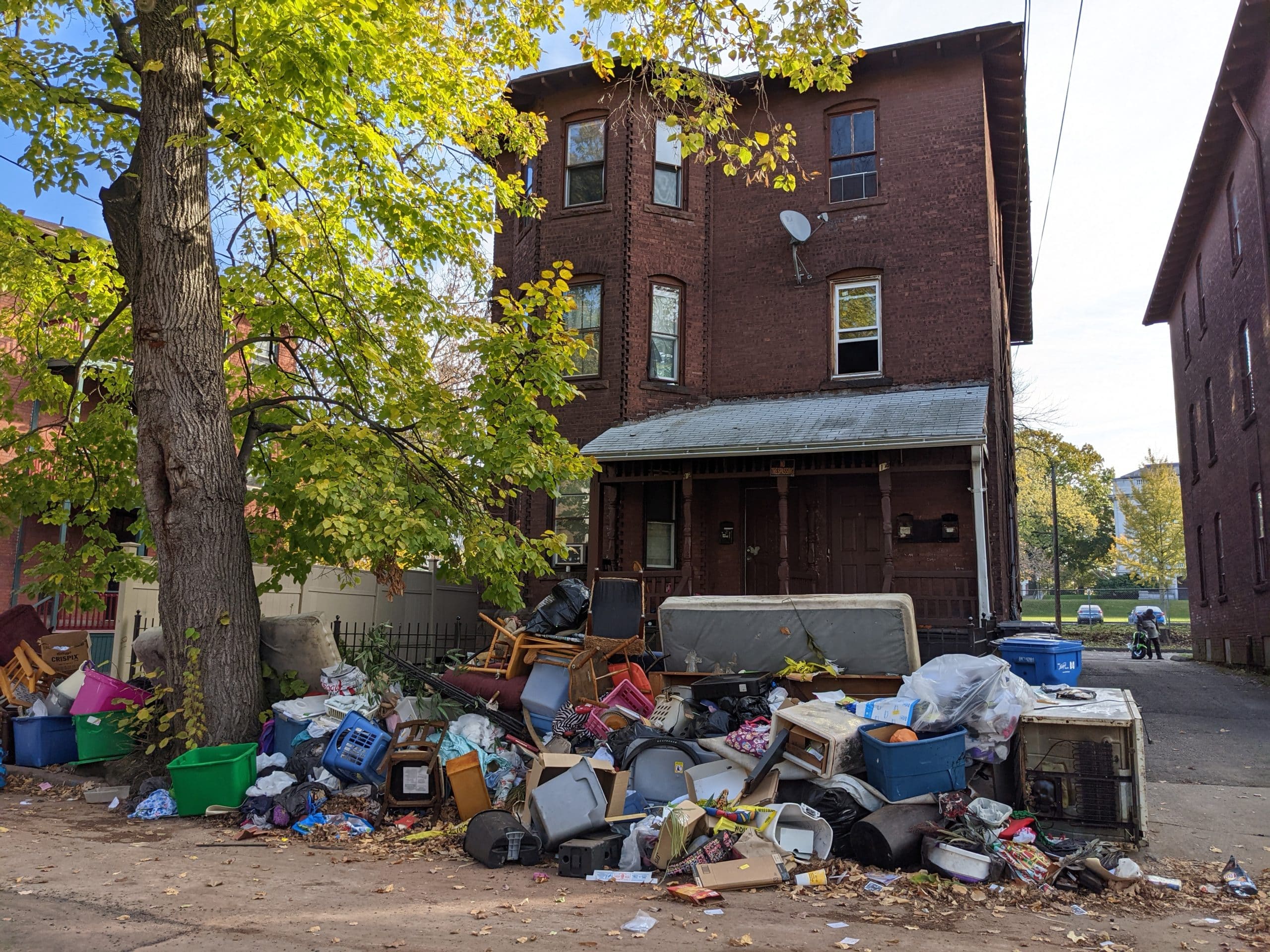
An eviction tsunami is on the horizon, and with it comes more COVID cases
The exemptions to the moratorium add up to the state’s eviction machine churning at about one-third the pre-pandemic rate.
Posted inHousing
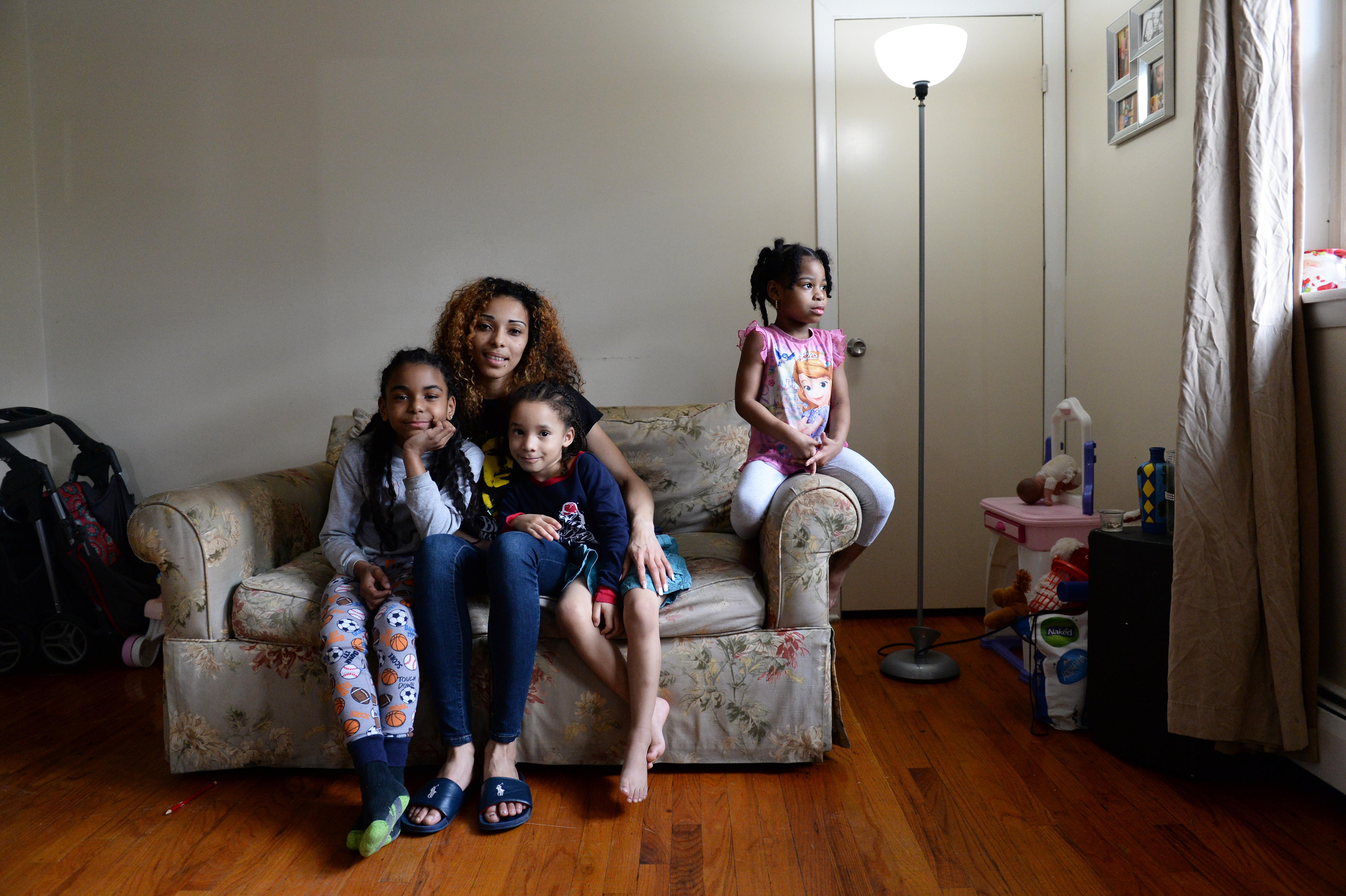
HUD ‘perpetuating segregation,’ Hartford families claim in lawsuit
The policies that keep poor residents in impoverished areas are the subject of a lawsuit filed by 10 local families.
Posted inHousing
In recovering urban areas, homeownership makes all the difference
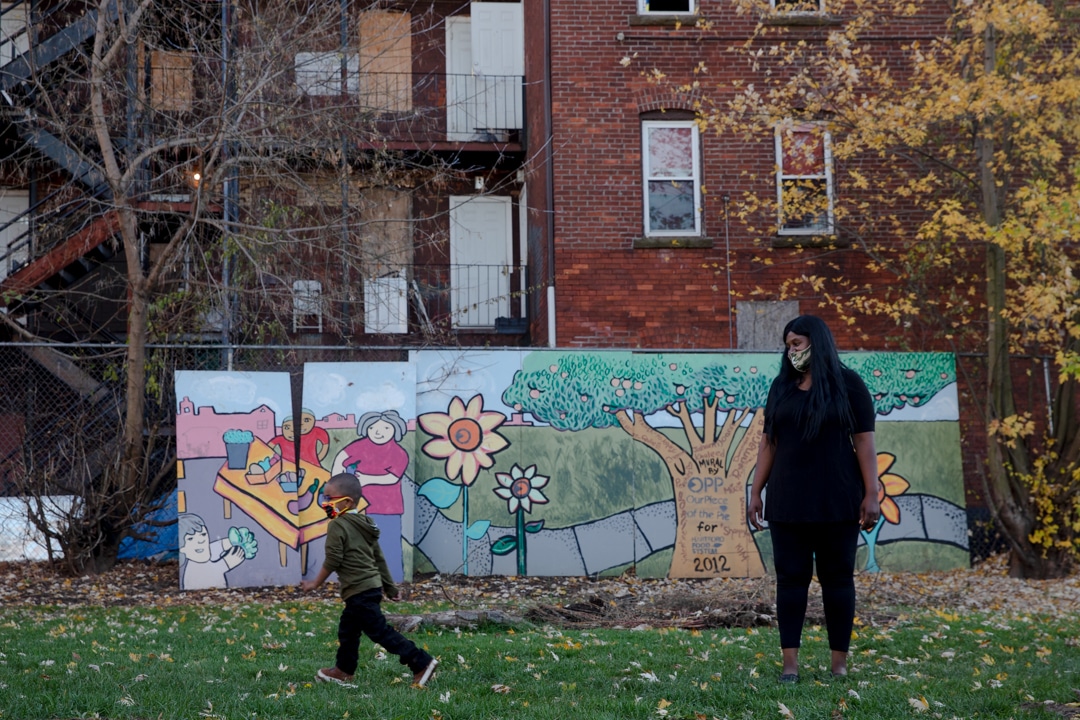
Five years ago, the neighborhood was largely blighted. Now, a playground sits on a cleaned-up lot.

Posted inMoney
How is the state’s economy reacting to the pandemic? CT Mirror’s economic indicator dashboard breaks it down

Connecticut’s economy took a hit when the coronavirus pandemic arrived, and there is still a lot of recovery ahead.

Posted inHousing
CT’s balkanized housing laws are the subject of a federal lawsuit against the Trump administration
A federal lawsuit claims a new rule will make it harder to challenge unfair housing practices in Connecticut and Massachusetts.

Posted inHousing
State’s COVID rental assistance program is likely running out of funds
As of this week, 5,800 households have qualified rental aid meant to serve 5,000.

Posted inPolitics
Governor’s housing development advisor leaves administration
Lisa Tepper Bates, point person for housing and retail development near public transportation, is leaving to lead United Way of Connecticut.

Posted inMoney
Lamont brings greetings, not cash, to housing conference

They were happy to see him. But funding would have been nicer.

Posted inNews
More residents above poverty line can’t cover basic costs in CT, report says

Elizabeth Yates and her 2-year-old son are among the 538,529 households in Connecticut that could not afford basic needs such as housing, child care, food, transportation, health care,and technology in 2016. This group constitutes 40 percent of the households in the state, according to a new report released by The United Way of Connecticut.
Posted inHousing
Connecticut rental housing is among nation’s least affordable

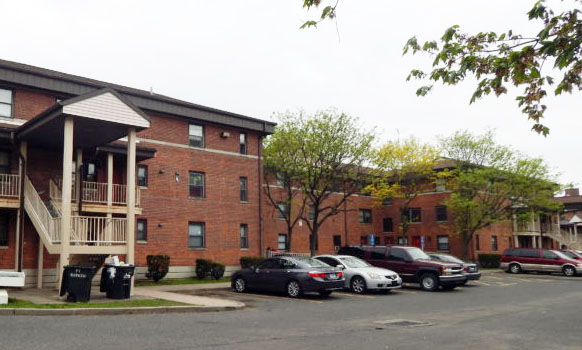
Connecticut renters face one of the least affordable housing markets in the country, a new report says, and the state’s low-income renters face an especially difficult challenge in affording a place to live.

Posted inHousing, Politics
A victory on Vine Street amid worries about Trump’s budget
Hattie Harris spoke last, slowly rising off a folding chair after the mayor and governor each said their piece Friday afternoon, warning that President Trump’s budget cuts could undo Connecticut’s elimination of chronic homelessness and Hartford’s smaller victories, like the one on the block where Miss Hattie has lived since the president was Dwight D. Eisenhower.
Posted inMoney
Connecticut housing report card: Progress, yet needs
“Housing in Connecticut in 2016 is a tale of two realities: enormous progress that has produced an effective end to veteran homelessness and substantial strides toward ending chronic homelessness, along with thousands of new affordable homes. Yet high prices for housing and cost burdens for hundreds of thousands of households continue.” That’s the top of HousingInCT2016, an annual assessment of the availability of affordable housing in the state.
Posted inNews
An aging Connecticut ups demand for rental housing
An annual assessment of housing affordability in Connecticut finds market forces blunting the impact of the more than 7,000 affordable apartments developed with state aid during Gov. Dannel P. Malloy’s 4½ years in office.