


State funding for education and other municipal grants took a hit in the budget proposal the Appropriations Committee approved Wednesday. Curious how your town would fare if these cuts are signed into law? Here’s a look.
K-12

Posted inEducation, Health, Money, Politics, Transportation
Budget plan offers painful cuts but remains out of balance

Updated at 5:18 p.m.
The legislature’s Appropriations Committee adopted a new $19.9 billion budget plan Wednesday, that Democratic leaders insisted restores fairness to a fiscal system that has cut too heavily from social services, health care and education – even though the overall plan is out of balance. Republicans pronounced it a failure.

Posted inEducation
Student suspensions can add to a downward spiral, data suggest
Students need to be at school to learn, but new state data show that many children expelled or suspended because they act out are among those likely to miss the most school and perform less well academically. “”Suspensions and expulsions may exacerbate academic deterioration,” reads a presentation prepared for the State Board of Education.

Posted inEducation
Union steps up lobbying despite movement on teacher evaluation
Despite indications the state will delay linking student test scores to teacher evaluations for another year and will scale back how heavily those scores must be weighed, the state’s largest teachers’ union is stepping up its lobbying efforts.

Posted inEducation
Michelle Rhee group merges with education advocates with CT roots
Updated at 7 p.m.
The national 50CAN education reform group – whose founding was inspired by the Connecticut-based advocacy group ConnCAN – is merging with StudentsFirst, a national group that was started by the controversial past chancellor of Washington, D.C., schools, Michelle Rhee.
Posted inEducation
Session Notes: Meeting at the education department? B.Y.O.R.
Need a quick pick-me-up to get through a long meeting at the Connecticut State Department of Education? You’ll need to bring your own coffee.
Posted inEducation, Transportation
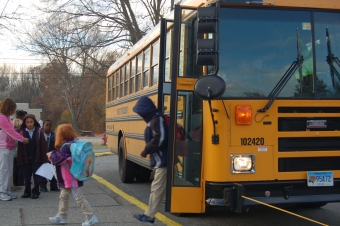
School bus seat belt funding goes unused except to reduce deficits
It’s been six years since legislators overwhelmingly approved a tax incentive and license fees to encourage schools to buy school buses equipped with seat belts. But not a single school district has used the program, and much of the money put aside has gone to offset state deficits.
Posted inEducation, Health, Money, Politics
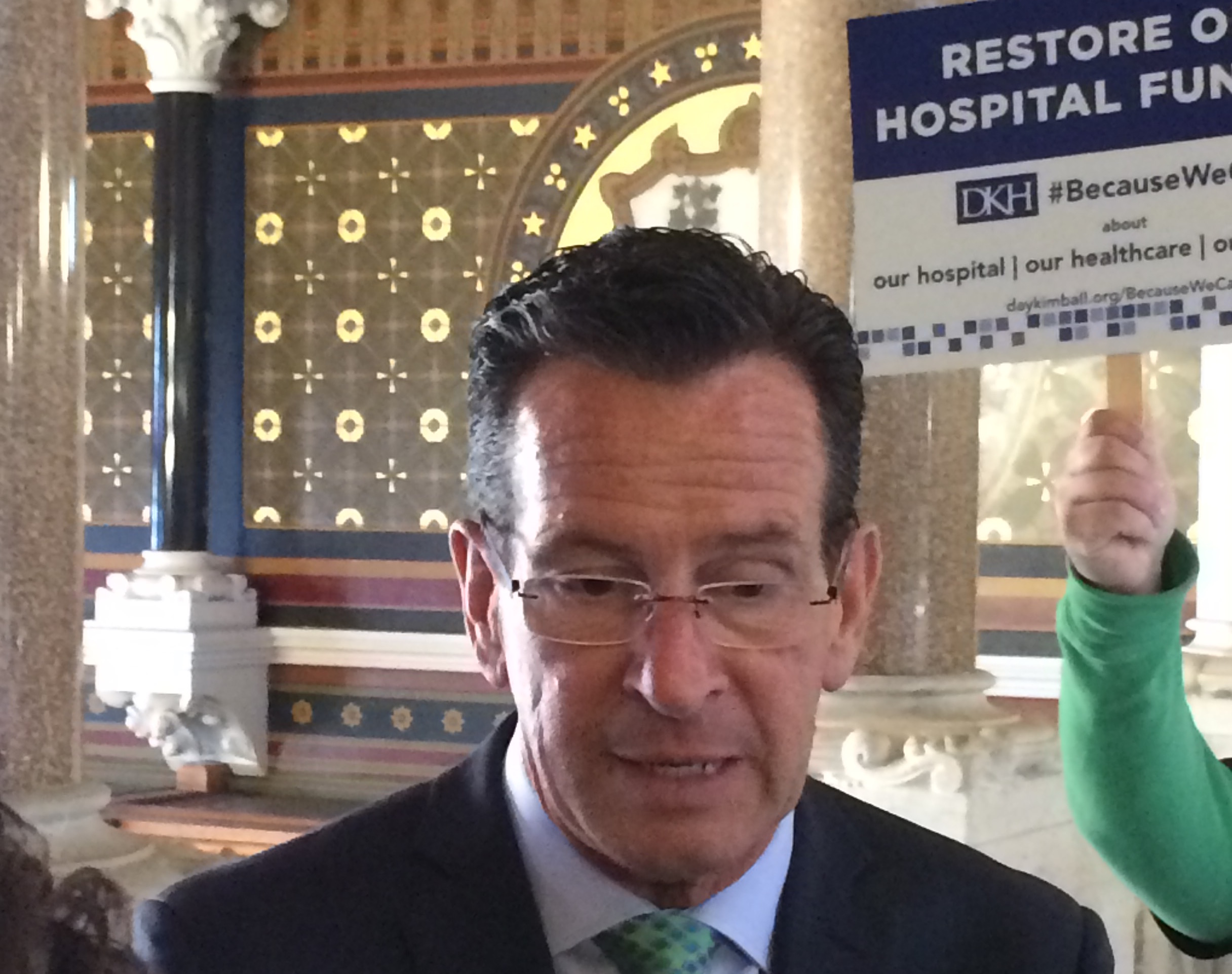
Malloy orders more cuts as lawmakers vow to close deficit by April 1
While legislators committed Wednesday to close a $220 million hole in state finances by March 31, Gov. Dannel P. Malloy ordered $79 million in emergency cuts, two-thirds of which hit social service agencies and education.

Posted inEducation
Teachers expected to get 1-year pass on linking ratings to tests
Student test scores will not be required to be factored in teacher evaluations next school year as planned, members of the state panel that oversees the teacher rating system voted Wednesday. The State Board of Education is expected to vote on this one-year delay at its April 6 meeting, and typically agrees with its advisory panel.
Posted inCT Viewpoints
Why isn’t media asking presidential candidates about education?

It is difficult to believe as a life-long educator that the media has yet to ask any of the presidential candidates about their views on K-12 public education. It is a well known fact the public education in Connecticut and across the nation has suffered immensely as an outgrowth of the policies of the George W. Bush administration with its No Child Left Behind (NCLB) program. Likewise, public education continued its downward spiral as a result of President Barack Obama’s appointment of Secretary of Education Arne Duncan, who ushered in the disastrous Race to the Top along with the Common Core State Standards.
Posted inEducation
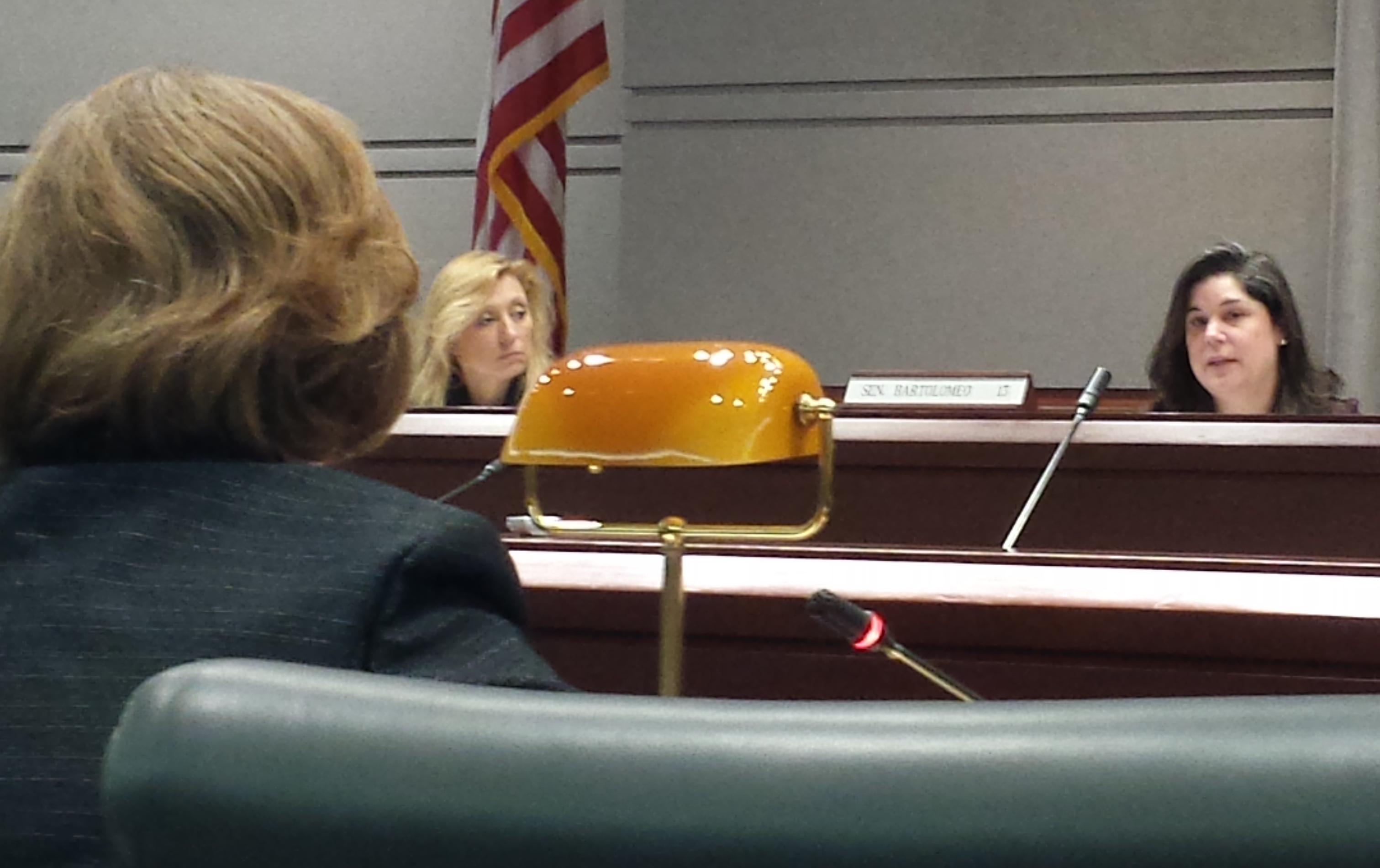
Bill spurs clash on linking student test scores to teacher ratings
As turbulence increased at the Capitol Monday around the state’s plan to start grading teachers based partly on student test scores legislators were skeptical of a new survey from the State Department of Education that purported to show substantial teacher support for keeping linkage as an option.

Posted inEducation
Education heavyweights draw line in the sand on teacher ratings
A coalition of statewide organizations that represent businesses, superintendents, principals, school boards and charter schools are calling on state lawmakers and officials to move forward with evaluating teachers based on test scores and reject calls from teachers’ unions to do otherwise.

Posted inEducation
State releases grades for every school
Grading schools on more than just tests scores has been a long time in the works. But the State Department of Education has now released a zero-to-100 rating for every school in the state based on 19 different measures.
Posted inEducation
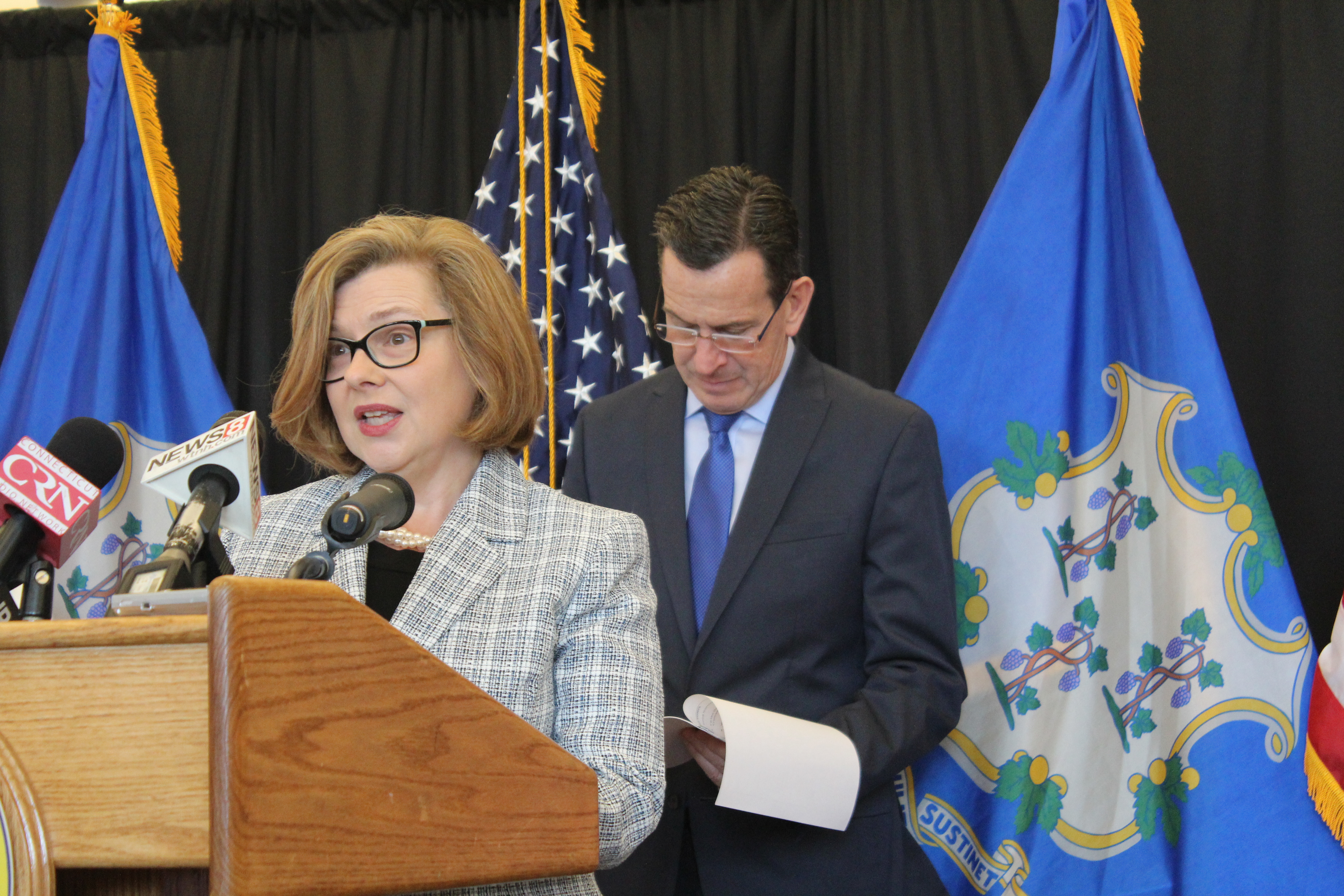
Malloy stays the course on reforms teachers’ unions detest
Gov. Dannel P. Malloy Thursday dismissed calls from the state’s largest teachers union to stop testing students with the controversial Smarter Balanced Assessment and stood by use of the test results in evaluating teachers. “We are not getting rid of the Smarter Balanced test,” the Democratic governor told reporters.

Posted inCT Viewpoints
CT uses ‘blunt tools’ for evaluating teachers, gets predictable result
Connecticut’s Performance Evaluation Advisory Council (PEAC) met last week to discuss a response to data that show teacher evaluation systems have identified very few people to dismiss, and assign high ratings to most teachers — a pattern which has been reported in many states across the country over the last five years. This shouldn’t be a surprise, because many states are using similar tools for teacher evaluation: a state-specific version of Danielson’s Framework for Teaching (here dubbed the Common Core of Teaching, CCT), or other generic teaching rubric applied to teachers regardless of grade or subject area. When we use the same, blunt tools, we can expect the same, nonspecific results.