



There is not much consensus among our gubernatorial candidates this election cycle, but one topic that appears to have generated genuine agreement is that Connecticut needs to do more to ensure our state has the talent it needs for the economy to thrive. It seems every day we read about manufacturers that have thousands of unfilled jobs due to the lack of skilled workers. We have a burgeoning start-up community that is straining to keep growing companies here because they cannot find enough software engineers at their fingertips. State leaders warn all sectors are at risk without a more skilled and robust cyber security workforce in place. The Commission on Fiscal Stability and Economic Growth finds the largest disparity in workforce supply and demand is among healthcare practitioners.
The one thing all candidates can agree on

Posted inCT Viewpoints
Death with dignity — Why doesn’t Connecticut have it?
Most U.S. doctors favor allowing patients suffering from an incurable illness to seek a dignified death, according to a survey of more than 21,000 medical professionals. Medscape, an online resource for medical professionals, surveyed doctors across the country last year and found that 54 percent of respondents favored death with dignity — the first time that a majority of doctors has indicated support for physician-aid in dying.
Posted inHealth, Politics
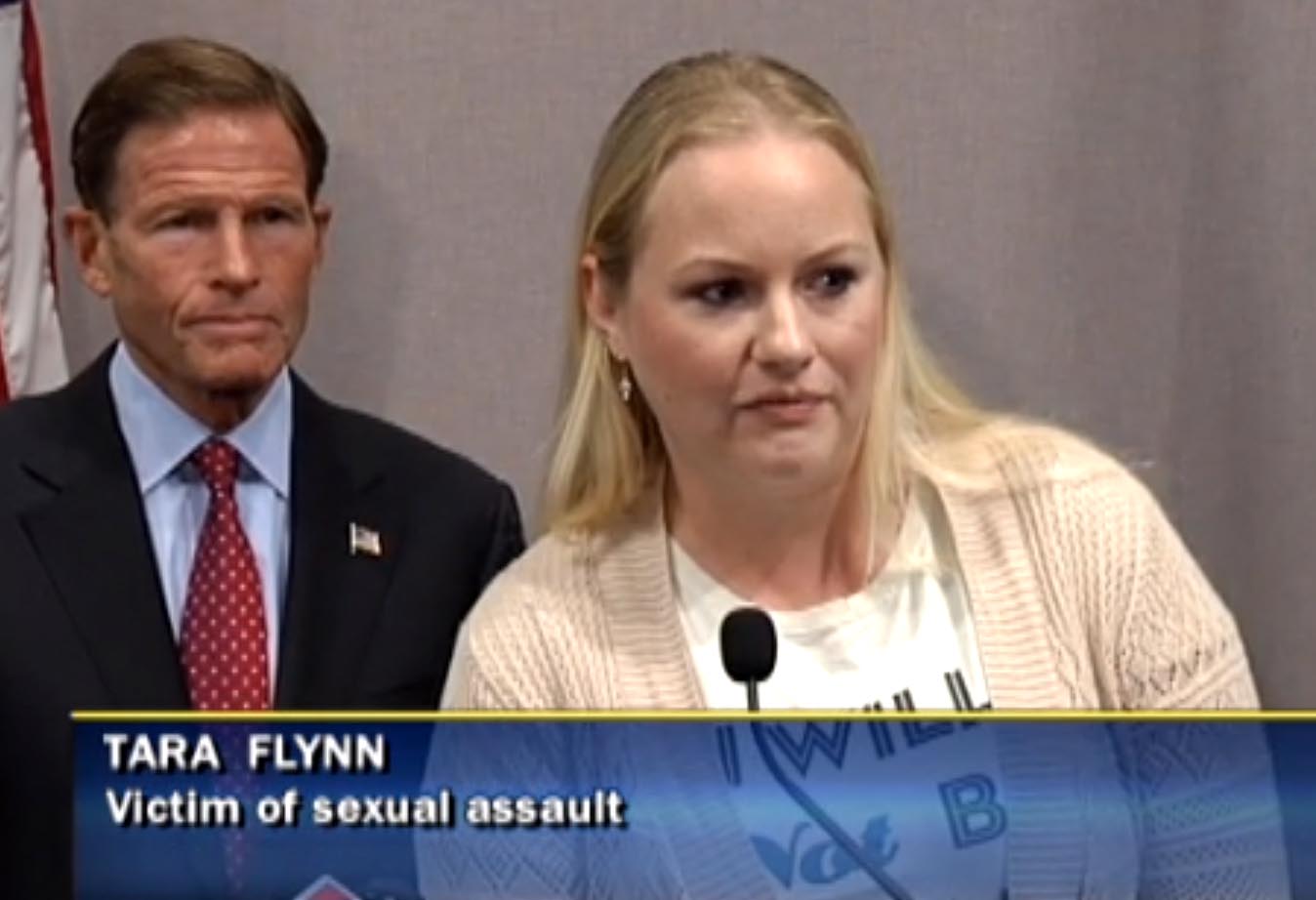
CT sexual assault survivors feel new pain as Trump disparages Kavanaugh accuser, advocates say

Judge Brett Kavanaugh’s contentious nomination process has shaken sexual assault survivors in Connecticut, who find themselves reliving the circumstances of their attacks and are again feeling the pain that came from disappointing efforts to find support afterwards, advocates say.

Posted inNews
This teacher of the year, now congressional candidate, has found the solution to getting more minority teachers

Jahana Hayes knows what it is like to be one of the few minority teachers in a school where the overwhelming majority of the students are black or Hispanic. Now – in-between running for Congress – she’s working to make the path to a teaching career easier for others who have backgrounds similar to the students who attend inner-city districts.

Posted inEducation
CSCU likely to seek boost in state aid, explores tuition policy options


Connecticut’s public college and university system may need to seek additional state funding next year to maintain the programs it currently offers students, administrators warned Wednesday. At the same meeting, administrators explored potential new tuition and fee policies in an effort to incentivize students to complete their degrees.

Posted inPolitics
Malloy to be a visiting professor at BC Law School

Gov. Dannel P. Malloy, a “double-eagle” as a graduate of Boston College and its law school, will land at his alma mater after leaving office next year, serving as a visiting law professor in the spring semester.

Posted inPolitics
AARP poll finds ‘clarity’ on issues, but not on Connecticut races
Voters age 50 and older are evenly divided on their choices for governor of Connecticut, while strongly supportive of issues relating to retirement security, health care, paid family leave, and long-term care, according to an AARP-commissioned poll released Wednesday.

Posted inCT Viewpoints
Nagging questions about the future of Hartford’s South Meadows
Which is better for the residents of Hartford: a trash- to- energy plant or a 250 megawatt gas- fired power plant? City officials have voiced strong opposition to the current proposal to modernize the waste processing facility in Hartford’s South Meadows, arguing there are better uses for the site, and that the facility imposes significant health impacts on residents. The City Council impaneled a Solid Waste Task Force to consider alternatives for managing the city’s waste. While some council members have spoken of marinas or upscale riverfront condominiums, the area is suitable only for commercial/ industrial development.

Posted inCT Viewpoints
The Kavanaugh battle is not about sexual harrassment
Many people on both sides of the aisle are amazed by the virulent passions being stirred by the Kavanaugh confirmation hearings. They shouldn’t be. In fact, given the stakes, it is surprisingly civil. This battle is not about sexual harassment, binge drinking, judicial qualifications or the #MeToo movement. It is about raw power. It is about who makes policy: elected representatives or power-hungry judges and bureaucrats.

Posted inJustice
Attorneys for Kavanaugh’s Yale accuser worry FBI ‘is not conducting a serious investigation.’
Washington – A lawyer for former Connecticut resident Deborah Ramirez, who has accused Supreme Court nominee Brett Kavanaugh of exposing himself to her in a Yale dorm room, said the FBI conducted a “detailed and productive interview” Sunday of his client. But in a series of tweets on Tuesday, the attorney said he is concerned “that the FBI is not conducting — or not being permitted to conduct – a serious investigation.”

Posted inJustice
Suzio takes aim – again – at sentencing reduction rules. Is he right?

A tough-on-crime state senator up for re-election in November on Tuesday issued one of his hallmark rebukes of a key part of the outgoing governor’s criminal justice reform legacy, the fate of which will be determined by the next legislature and administration.

Posted inPolitics
A campaign gets personal: ‘He’s telling lies about my wife’
Connecticut’s gubernatorial ad wars got personal Tuesday as Democrat Ned Lamont asked Republican Bob Stefanowski to stop airing a television commercial that Lamont says falsely implicates his wife, venture capitalist Annie Lamont, in profiting from a British payday lender, Wonga.

Posted inNews
Is state headed for another charter school showdown?
The last time the State Board of Education approved the education plan for a batch of charter schools vying to open in Connecticut, the schools quickly started enrolling students. But there was a problem: the state had not committed to spending the $4.6 million needed to open the new schools in the upcoming year.
Posted inCT Viewpoints
Candidates for governor: Support elimination of the Board of Regents
It is now apparent to anyone paying attention that the Board of Regents for Higher Education (BOR) is a bloated failure that has not addressed, let alone solved, the very real challenges facing Connecticut’s community colleges and state universities. After seven years and $250 million taxpayer dollars it has achieved nothing unless you count a succession of failed and worse presidents, forfeited opportunities and blatantly political staff selections, right up to the current life boating of OPM appointee Ben Barnes.

Posted inEducation
Creating the Board of Regents? Brilliant or a blunder, depending who you ask
The previous offices of the state universes on Woodland Street in Hartford Seven years have passed since Gov. Dannel P. Malloy forced a merger of the state’s community colleges, regional Connecticut State Universities, online college and Office of Higher Education. Many promises were made by the freshman governor: tens of millions would be saved, more professors […]