


Any mechanic will tell you, don’t put gas in the engine until the engine is fixed. Connecticut’s economic engine is still broken, so why the rush to put “gas” in it, in the form of a $15 minimum wage, when it still needs fixing? I am all for a proper minimum wage that should be a peg of a local minimum to approximately 50 percent of the local median wage. That is where other advanced comparable OECD nations are currently. But jumping to $15 per hour would constrict economic growth.
Labor

Posted inNews
Connecticut faces long crawl out of wealth extremes, crushing debt

Leaders have many ideas to reduce wealth inequality and promote prosperity. But they remain uncertain about how to solve this crisis while Connecticut simultaneously grapples with a historic debt burden that also threatens its future. Sixth in a series.

Posted inMoney
The millionaire-with-a-suitcase: man or myth?

For nearly a decade, it has been the favorite argument of those opposed to higher state taxes for Connecticut’s wealthy — migration. Simply put, if you tax them, they will leave. But is it true? Fifth in a series.
Posted inPolitics
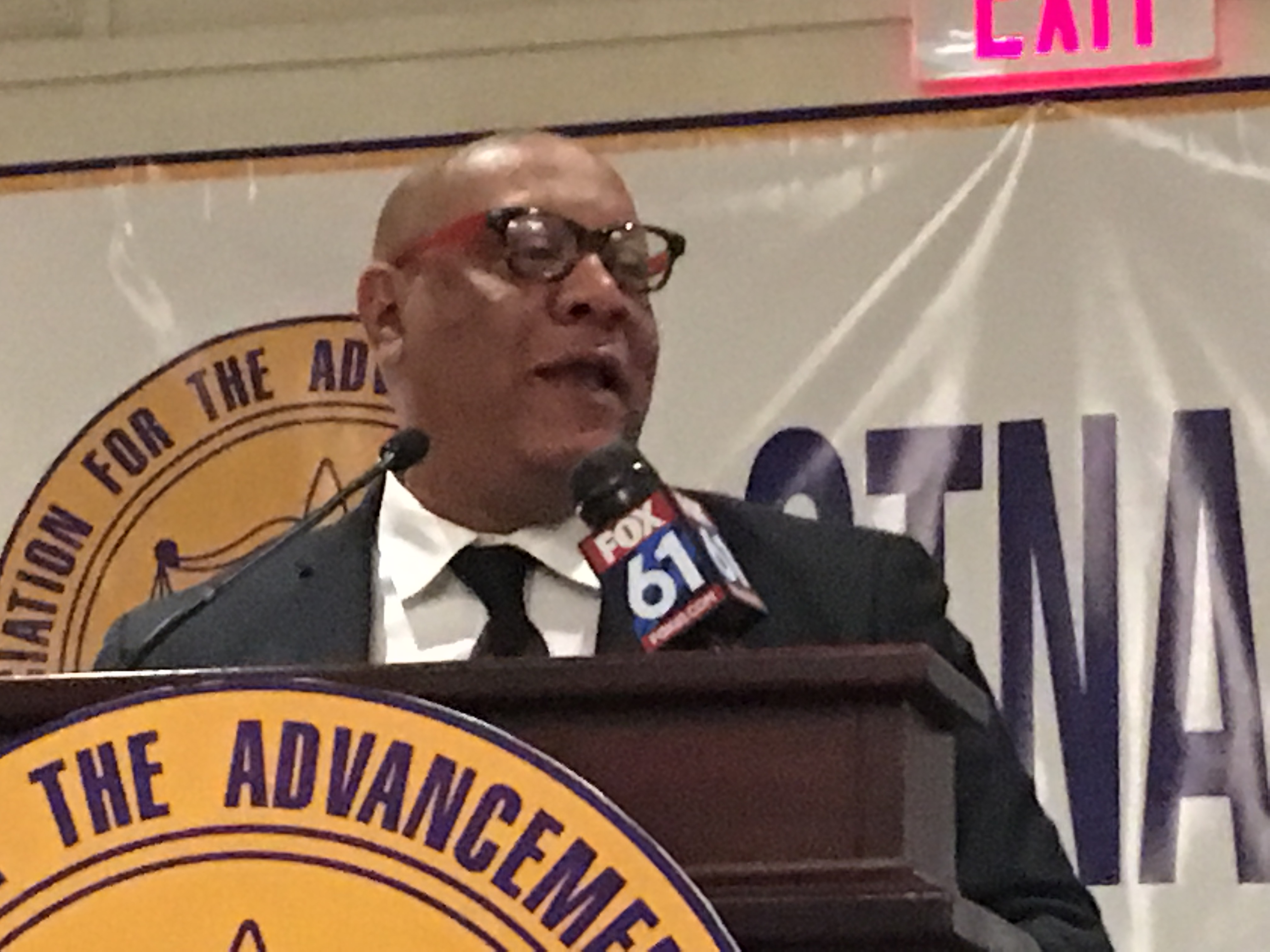
Lamont vows that effort to rebuild CT will be a diverse one
While the push to revitalize Connecticut will be a struggle, Gov.-elect Ned Lamont pledged to African-American leaders Saturday his administration’s effort would be defined by diversity and cooperation.

Posted inEconomic Development
Malloy defends his legacy on jobs growth and borrowing

In an impromptu valedictory address on his economic and fiscal policies, Gov. Dannel P. Malloy defended his economic record and use of state borrowing Tuesday, saying public investments drove private-sector job growth to new heights, improved Connecticut’s municipal schools and public universities, and strengthened its cities.

Posted inNews
Lori J. Pelletier quitting as president of state AFL-CIO
Lori J. Pelletier is resigning as president of the Connecticut AFL-CIO, leaving the state’s largest labor organization in search of new leadership at a potentially pivotal junction for unions, especially in a public sector facing a new governor and legislature in January.
Posted inMoney
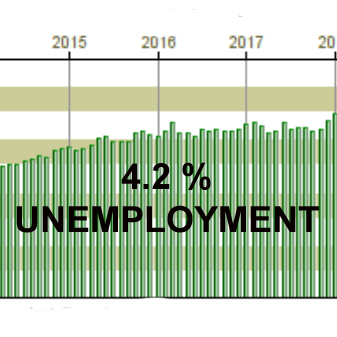
CT jobless rate falls to 4.2 percent based on August job gains
Connecticut’s unemployment rate dropped to 4.2 percent Thursday, despite the loss of 500 jobs in September, as labor officials announced August job growth was larger than originally anticipated.

Posted inMoney
Panel leaders want new life for their plan to fix CT’s finances
The leaders of the state Commission on Fiscal Stability and Economic Competitiveness are working now so their plan to fix Connecticut’s finances will be reconsidered after the November elections.

Posted inPolitics
Griebel: Tapping pension funds risky — doing nothing is worse
Independent gubernatorial candidate Oz Griebel says his proposal to defer pension contributions to avert a post-election state budget deficit is a risk, but not as extreme as maintaining state government’s fiscal status quo.

Posted inCT Viewpoints
The one thing all candidates can agree on
There is not much consensus among our gubernatorial candidates this election cycle, but one topic that appears to have generated genuine agreement is that Connecticut needs to do more to ensure our state has the talent it needs for the economy to thrive. It seems every day we read about manufacturers that have thousands of unfilled jobs due to the lack of skilled workers. We have a burgeoning start-up community that is straining to keep growing companies here because they cannot find enough software engineers at their fingertips. State leaders warn all sectors are at risk without a more skilled and robust cyber security workforce in place. The Commission on Fiscal Stability and Economic Growth finds the largest disparity in workforce supply and demand is among healthcare practitioners.
Posted inNews
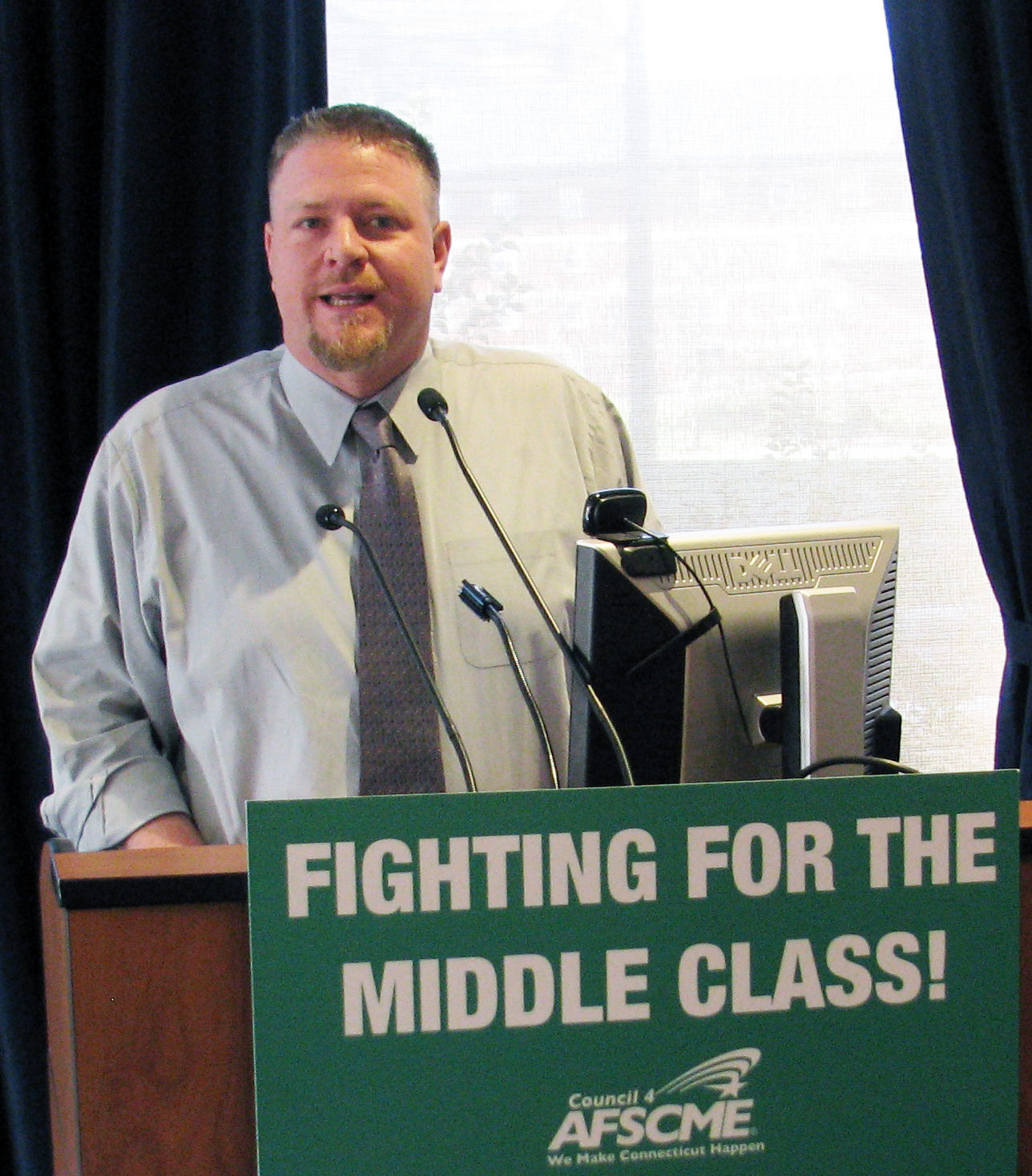
Judicial eliminates Supreme Court police, including position held by union president

The judicial branch has eliminated the four-person Supreme Court police force, prompting accusations of retaliation from the union over its ongoing complaints about employee safety at the state’s two juvenile detention centers.

Posted inCT Viewpoints
Workers want the Connecticut Retirement Security Program

Despite misleading claims by opponents, including CBIA, the Connecticut Retirement Security Program (CRSP) is not a state-run retirement plan. In fact it is a private sector solution to a growing retirement savings crisis. Employees who invest in these voluntary and privately-run portable Roth IRA plans face no more risk than any other IRA investor, which includes me and, I am sure, many CBIA staff and business owners.

Posted inPolitics
Will Maria response energize CT Puerto Rican voters?

One year after Hurricane Maria ravaged Puerto Rico, there a debate about whether the storm has created political winds that will prompt Connecticut’s Puerto Ricans to shed their reputation as unlikely voters.

Posted inCT Viewpoints
Connecticut does not need a state-run retirement plan
Despite what’s being touted by advocates, including AARP, as a solution to a growing retirement readiness problem, the state’s controversial retirement mandate is not the answer. It’s important that residents understand the financial risks it will impart upon many Connecticut workers.

Posted inPolitics
Lamont offers tax relief in jobs plan, but no plan to pay for it
Democratic gubernatorial nominee Ned Lamont unveiled a jobs plan Wednesday centered on three business tax cuts — and a previously disclosed middle-class income tax break — none of which he could provide without solving a much-larger state budget deficit.