

Although the effort to ban plastic straws in restaurants statewide ultimately failed, no one in the disabled community is feeling much relief.
social services
Posted inHealth
New data shows more black, Latino children live in poverty than whites

Poverty rates of white children stayed relatively stable, between 4% and 6%, between 2005 and 2017, while those for black and Latino children fluctuated between 20% and 34%. The data also shows that one in five black children, and one in five Latino youth, live in concentrated poverty, compared to one in 100 white children.

Posted inHealth
Trump proposal would cut food stamps for at least 11K Connecticut residents

If the new Trump rule is implemented, thousands of Connecticut schoolchildren would lose free lunches, too.

Posted inGovernment
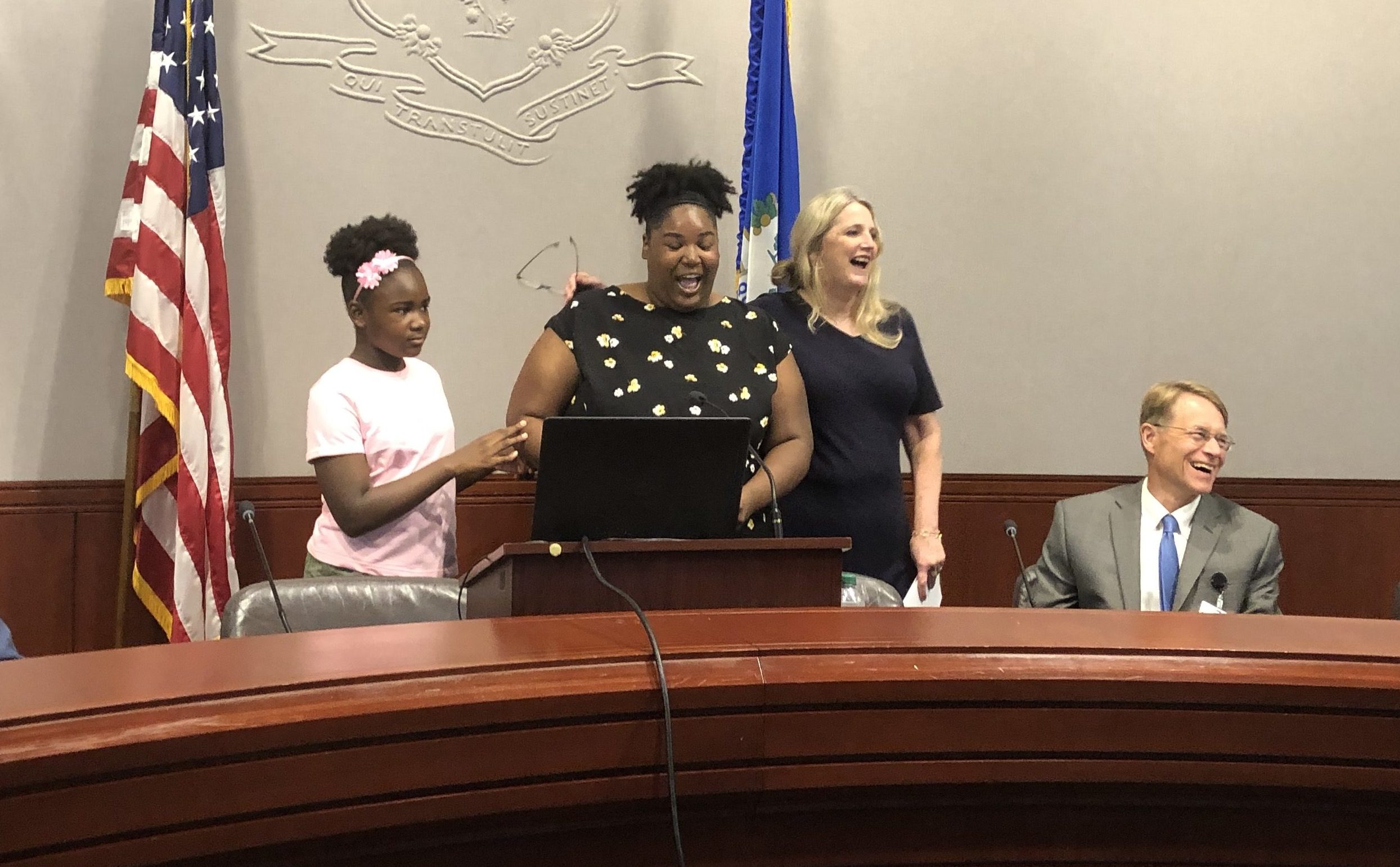
Regional empowerment center aims to help women in myriad ways

The center will help direct women to any services they need — whether housing, employment, child care, mental health or others — while also serving as a venue for special programs.
Posted inPolitics
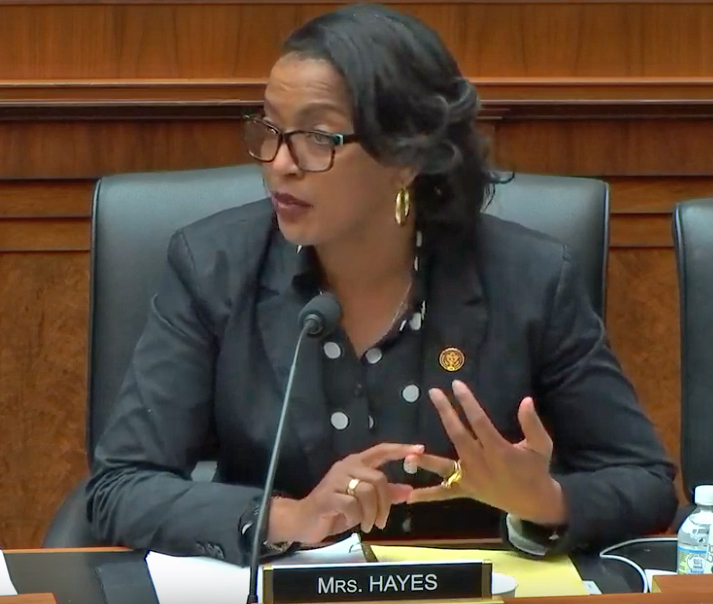
Trump seeks to cut food stamps, CT Dems push back
The attempt by the Trump administration could push tens of thousands of low-income Connecticut residents off the program.
Posted inGovernment
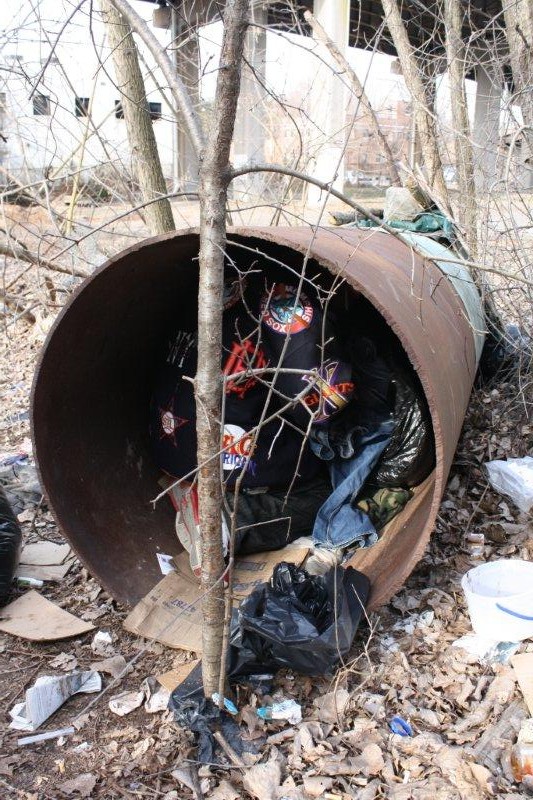
State homelessness at lowest point in 12 years, study finds

Connecticut’s homeless population fell 10 percent since last year and is currently at its lowest number since the state began collecting data in 2007.

Posted inEducation, Government, Health
For the first time, DeLauro shepherds massive spending bill through Congress
As chairman of a House Appropriations subcommittee, Rep. Rosa DeLauro is pressing to boost funding for health, labor and education programs by billions of dollars.
Posted inGovernment
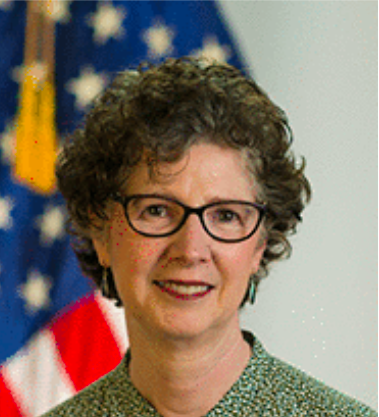
Deidre Gifford, top Medicaid official, named to lead DSS

Dr. Deidre Gifford, a physician and top federal Medicaid official, is the governor’s choice to oversee social services in Connecticut.

Posted inGovernment, Health
Nonprofits press CT to privatize more social services

Connecticut’s private, nonprofit social service agencies released an agenda Wednesday that includes further privatization of state-sponsored services.

Posted inCT Viewpoints
Why are rich suburban kids doing heroin?

Why are rich suburban kids doing heroin? In the past two years, I’ve lost four friends to drug overdoses. I grew up with several people who are now heroin addicts, both recovering and using. My friends and I have watched our peers drop like flies over the past few years, and it’s only getting worse as the nation’s opioid crisis intensifies in a myriad of ways.
Posted inCT Viewpoints
Sometimes diapers are the solution to maternal depression
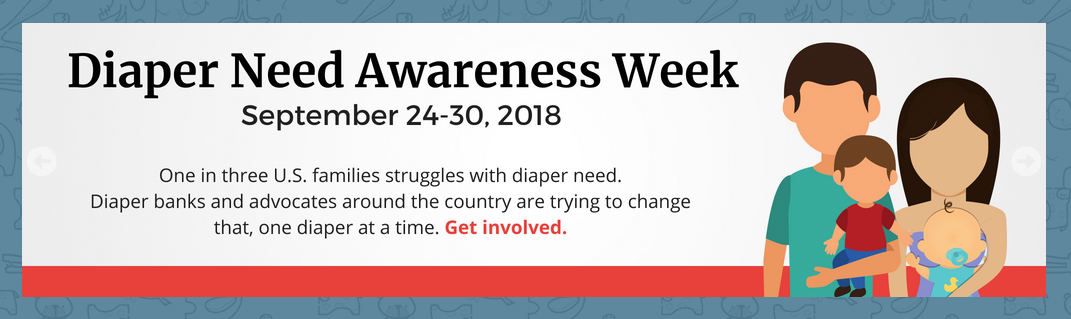
A federal task force is recommending increased screening and treatment for postpartum depression, a serious illness that puts one in seven new mothers and their infants at risk. Getting these women appropriate help and support is critical. Sometimes that means therapy – but not always. There is a strong association between maternal depression and not being able to afford a basic material need — diapers, a Yale study done in cooperation with the National Diaper Bank Network showed. Moms in our study ranked diaper need as more stressful than food insecurity.
Posted inCT Viewpoints
Community action: Helping people, strengthening communities
As residents across Connecticut struggle to make ends meet in one of the richest states in the nation, our Community Action Agency (CAA) Network is on their side. Through critical Community Services Block Grant (CSBG) funding, CAAs — the state and federal designated antipoverty agencies— provide cost-efficient and programmatic-effective essential, basic human needs services like food, shelter, heating assistance, employment and training, and child care to the state’s low and moderate income communities in all 169 cities and towns.

Posted inHealth, Money, Politics
Change is coming for nonprofit human service providers, but will it make or break them?
It is a time of reckoning for Connecticut’s private, nonprofit social services. After two decades of flat or reduced funding from its chief client — state government — community-based agencies are struggling to retain both their programs and the low-paid staff who deliver care for thousands of poor, disabled and mentally-ill adults and children.
Posted inCT Viewpoints
A big mistake: Defunded services to Connecticut’s most at-risk youth
Last week we learned that state funds for critical programs that serve high-risk youth and families was “swept” as “an inadvertent casualty” of the transfer of juvenile justice services and its funds from the Department of Children and Families (DCF) to the Court Support Services Division (CSSD), a branch of the Department of Justice. The transfer resulted in a $7 million shortfall for DCF-funded behavioral health services. Letters have been sent to providers informing them funding for these programs will be eliminated as of June 30, 2018. And the high-risk children are those with substance use, mental health, and behavioral problems severe enough to land them in juvenile court and in jeopardy of out-of-home placement. One hundred kids and their families, in one Waterbury program alone, are to be terminated from services.

Posted inMoney
Senate approves raises to avert group home strikes
The Senate gave final approval Saturday to pay hikes designed to head off a strike Monday by 2,500 unionized care providers for the disabled. The Senate vote also means many of those who care for Connecticut’s intellectually and developmentally disabled will be getting their first raise in a decade or longer.