



There was considerable talk but no concrete action on resolving Connecticut’s ongoing budget crisis or responding to the nation’s growing insistence that Congress take steps to reduce gun violence in schools and elsewhere.
March 2018

Posted inJustice
ICE blasted for making courthouse arrests

Ana María Rivera-Forastieri and John Lugo address the New Haven rally. About two weeks ago, Marco Mendieta, a 24-year-old undocumented immigrant living in the Quinnipiac Meadows neighborhood, was arraigned in New Haven’s state Superior Court for breaking a traffic law. A judge released him without bail, accepting Mendieta’s promise to appear at the next hearing. […]

Posted inPolitics
USDA may impose work requirements on CT food stamp recipients

WASHINGTON — Single, unemployed adults without children who receive food stamps in Connecticut may soon see those benefits end under new regulations being considered by the Trump administration.

Posted inCT Viewpoints
Better ways to use state funding for people with intellectual and developmental disabilities
In this 4-minute video, Tom Fiorentio, president of the Arc of Connecticut board of directors, talks about state employee overtime and other issues related to the state’s funding for care for people with intellectual and developmental disabilities.

Posted inCT Viewpoints
The crucial role of Connecticut’s community colleges and why we must sustain them
Ever proud of my heritage as a community college student, I have never reflected more deeply on the value of these institutions than over the recent years during which I have served on the Connecticut Board of Regents for Higher Education. The Board, comprised of volunteers from many backgrounds, serves at a time when Connecticut’s 12 community colleges struggle to maintain services and affordability amid sharply reduced state funding and flat or declining population and enrollment. Previously, as chair of the Regents’ Finance Committee, I witnessed the recurring mantra of very good college administrators trying to make budgets work within a broader organizational structure that itself was becoming unsustainable.

Posted inCities & Towns
A proposal that could empower state’s metros

The Commission on Fiscal Stability and Economic Growth Thursday recommended giving regional councils of government or municipal consortiums an optional taxing power that would allow a new level of regional cooperation in the state. Third of three articles.
Posted inCT Viewpoints
Reform for Connecticut’s pension system
Recently I wrote about the difficulty, even impossibility, of funding Connecticut’s ever-growing pension liability. The article elicited a number of comments, and all agreed that something must be done. Here are my own recommendations for reform. First, a relatively small but significant first step in reforming the system would be to freeze pension benefits for all existing state employees not covered by union contractual obligations. These employees would include non-union members and employees of the state’s executive, legislative, and judicial branches. It would also include all administrators in the University of Connecticut system.

Posted inMoney
NBA and MLB officials call for fee from legal sports betting


Officials from the two leagues said they would seek an “integrity fee” of 1 percent of all bets placed to guard against suspicious betting and manipulation, and to compensate them for the value of their product.
Posted inMoney
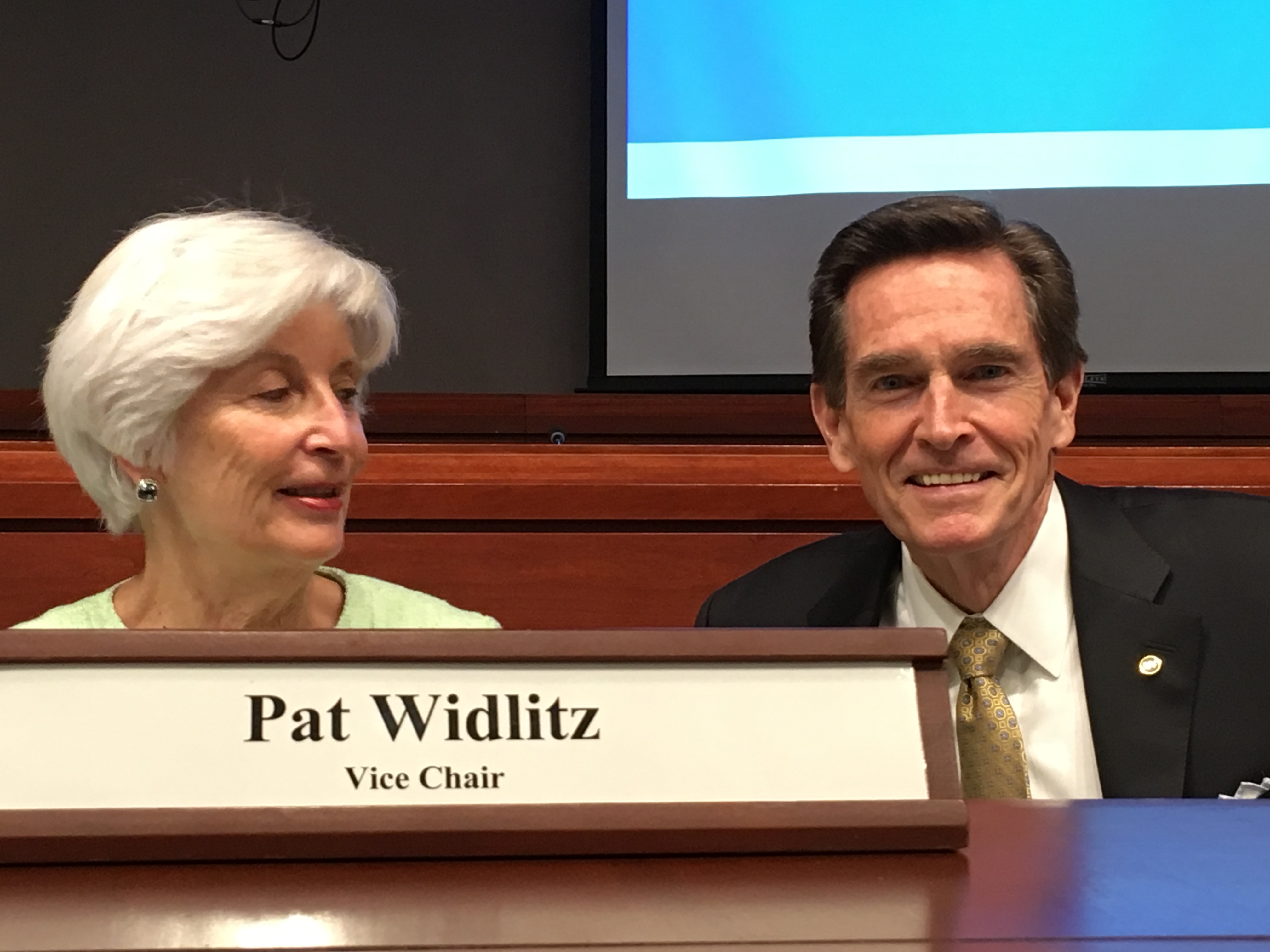
State tax overhaul key to plan to revitalize CT

A state panel recommended a dramatic shift in state tax burdens Thursday from wealthy income taxpayers onto businesses and consumers as part of a sweeping plan to stabilize government finances and jump-start the economy.

Posted inHealth
Lawsuits accuse staff at Whiting of psychological, physical torture

The lawsuits allege that the state employees responsible for the treatment and care of William Shehadi Jr., 59, subjected him to “daily mistreatment, degradation, physical assaults, ridicule and other forms of brutal and inhuman psychological, emotional and physical torture.”

Posted inJustice
After Trump endorses gun measures, Senate Dems propose a bill
WASHINGTON — Senate Minority Leader Chuck Schumer said Democrats will push for tighter background checks and new protective orders, modeled after a program that Connecticut has had in place since 1999, to disarm dangerous individuals.

Posted inCT Viewpoints
Want safer schools? Listen to the kids
For the 18th time in 2018 a school shooting has rocked a community. For the 18th time this year, the 273rd time since Sandy Hook on Dec. 14, 2012, and Columbine on April 20, 1999, a community is in mourning over killings that seem senseless. Over 150,000 students in 170 schools (according to the Washington Post) have been exposed to these shootings. And yet the signs were there, if we listen.
Posted inCT Viewpoints
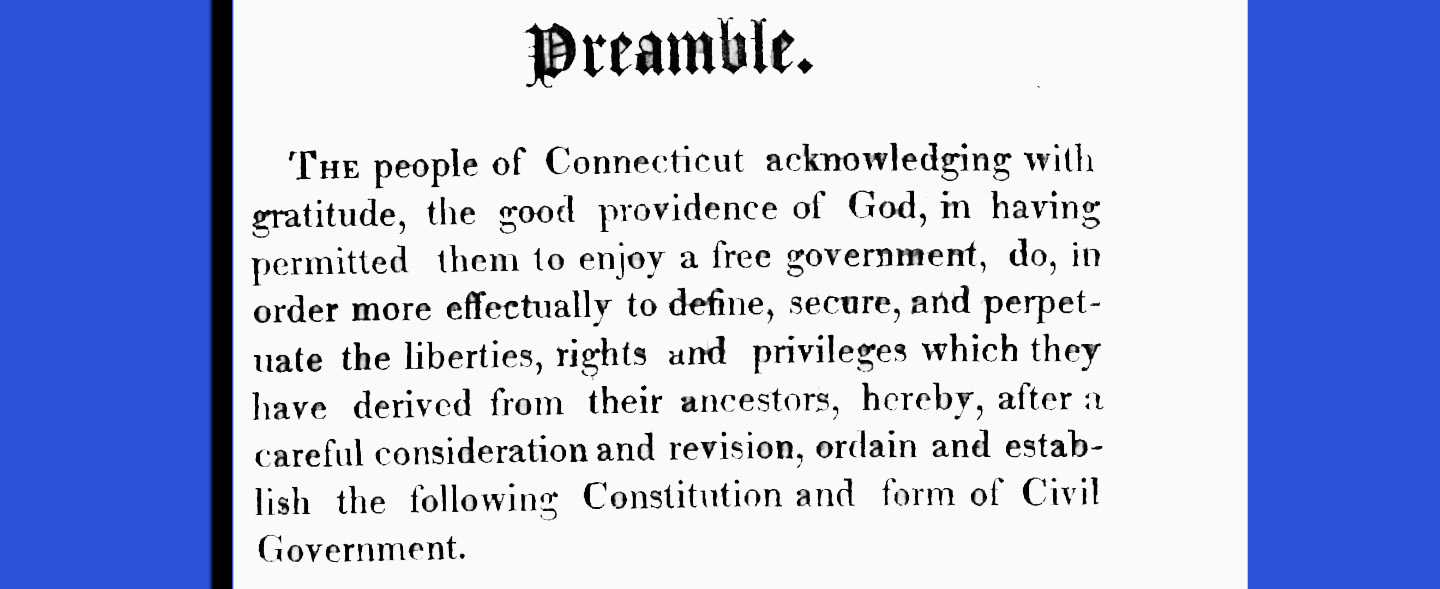
Connecticut’s own ‘Second Amendment’
When people debate the legality of gun control legislation, the focus is usually on the Second Amendment to the United States Constitution. What many people may not realize, however, is that state constitutions often contain a similar (but not identical) provision. Thus, article first, § 15 of the Connecticut Constitution provides: “Every citizen has a right to bear arms in defense of himself and the state.”

Posted inCT Viewpoints, Talking Transportation
Who speaks for commuters?

“Commuting on Metro-North is like getting hit with a two-by-four. Service is getting worse and now you’re hitting us with a 10% fare hike.”
Those comments came from Jeffrey Maron, Vice-Chairman of the official Connecticut Commuter Rail Council (CCCR), a usually mild mannered, two-compliments-before-any-complaint kind of guy. (Maron and I both served on the predecessor Metro-North Commuter Council).